Play-to-Earn Crypto: How It Really Works and What You Should Know
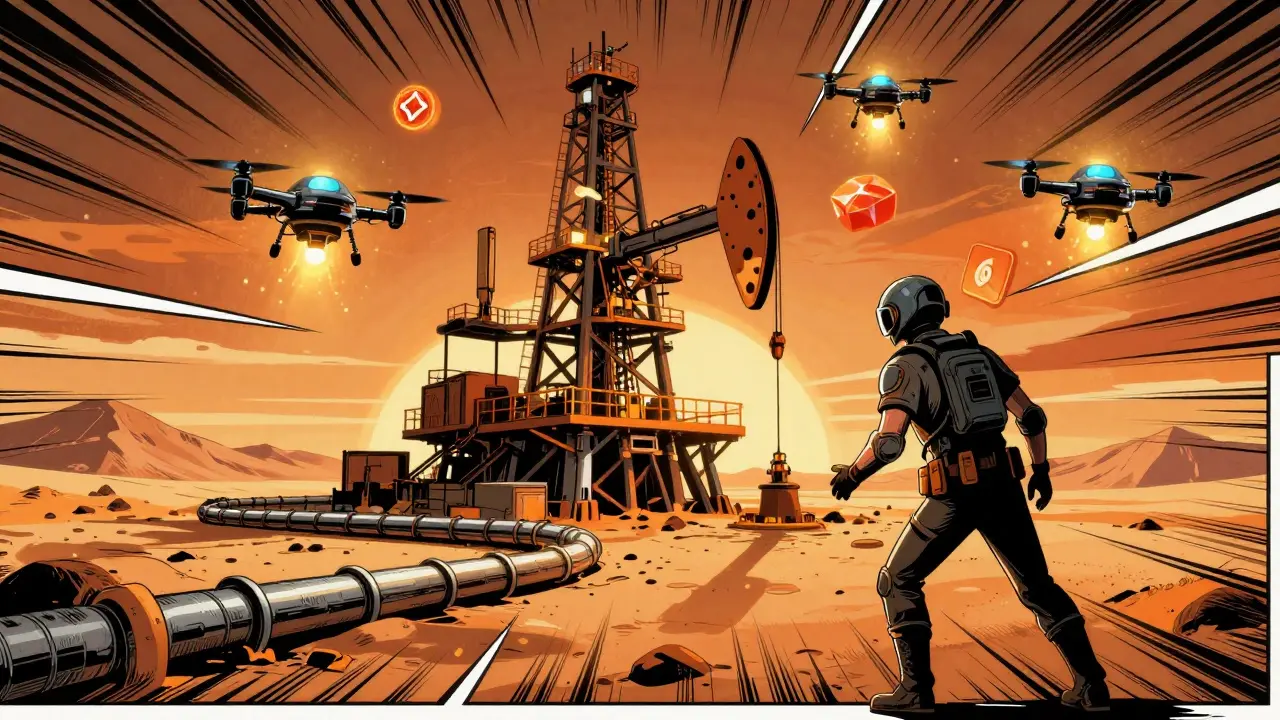
When you hear play-to-earn crypto, a model where players earn cryptocurrency by playing blockchain-based games. Also known as P2E, it promises income just for logging in and completing tasks. But here’s the truth: most of these games don’t pay out long-term. They start with hype, promise big returns, and vanish when the token crashes. Real play-to-earn isn’t about grinding for hours to earn pennies—it’s about finding games with actual utility, active players, and sustainable economies.
Behind every gaming NFTs, unique digital items in games owned by players on a blockchain. Also known as in-game NFTs, they let you sell, trade, or use items across platforms. are the tokens that fuel the economy. But without real demand, those tokens are just digital paper. Look at Axie Infinity—it once paid players thousands, but when the token price collapsed and the game lost its fun, the earnings vanished. The same pattern repeats with dozens of projects: hype, quick cash-out, then silence. That’s why most play-to-earn crypto projects die within a year. The ones that survive? They focus on gameplay first, rewards second.
Don’t confuse blockchain gaming, video games built on decentralized networks where players own assets and control rules. Also known as Web3 games, they aim to give power back to users. with free-to-play mobile games that slap a token on top. True blockchain gaming lets you own your gear, move it between games, and even earn from others using your assets. But that’s rare. Most so-called P2E games are just token farms disguised as games. You’re not playing for fun—you’re mining tokens until the pump ends.
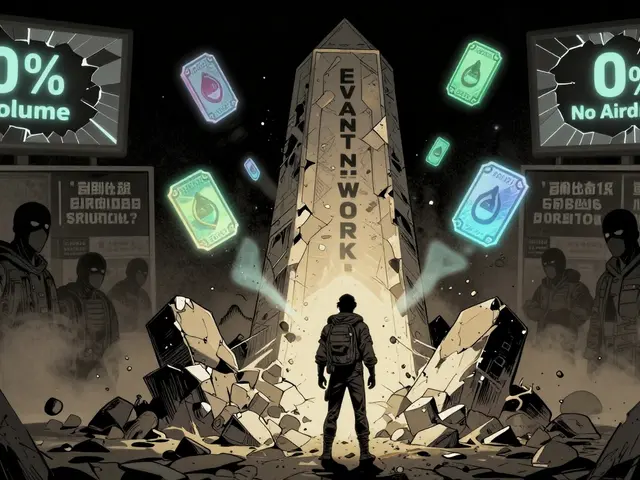
And then there’s the airdrop trap. Sites promise free tokens if you connect your wallet or share on social media. But 9 out of 10 are scams. The tokens never arrive, or they’re worthless. Even when they do, like the KALATA or Artify airdrops, the value crashes fast because there’s no real demand. The only people who profit? The creators who cash out before the crash.
So what’s left? A few games still work—like those with strong communities, real updates, and tokens tied to actual in-game use. But they’re the exception. Most play-to-earn crypto is a gamble, not a job. If you’re looking to earn, focus on games that are fun first. If you’re just chasing tokens, you’ll lose money. The best play-to-earn crypto isn’t about how much you earn—it’s about whether you’d play even if you got paid nothing.
Below, you’ll find real breakdowns of failed projects, how to spot scams, and the few games that still have life left. No fluff. Just what happened, why it happened, and what you can learn from it.