
Hswap Crypto Exchange Review: Is It Safe or a Scam in 2026?
You’ve likely heard the name Hswap is a cryptocurrency trading platform that has surfaced in various online discussions and affiliate marketing campaigns. But here is the hard truth: finding a single, authoritative, and verifiable source of information about this specific exchange is incredibly difficult. In the world of digital assets, obscurity is often a red flag. If you are looking for a detailed breakdown of fees, security audits, and user experience for Hswap, you might be hitting a wall. That silence speaks volumes.
Unlike established giants like Coinbase or Kraken, which have years of public financial reports and regulatory compliance records, Hswap operates in a gray area. This review isn’t just about listing features; it’s about helping you determine if this platform is worth your trust-or if it’s better to keep your funds elsewhere. We will look at what little data exists, compare it to industry standards, and help you make a safe decision.
The Identity Crisis: What Exactly Is Hswap?
When we talk about "swapping" crypto, we usually mean exchanging one token for another. This can happen on centralized exchanges (CEXs) where a company holds your money, or on decentralized exchanges (DEXs) where smart contracts handle the trade. The name "Hswap" is generic enough that it could refer to several different entities. There have been various small-scale platforms, aggregator tools, and even potential phishing sites using similar names over the years.
In 2026, the landscape is clearer than ever. Major players dominate the space. Uniswap leads the decentralized charge with billions in volume. 1inch aggregates liquidity across multiple DEXs to give you the best price. Then you have centralized titans like Binance and Crypto.com. Where does Hswap fit? Currently, there is no evidence that Hswap is a major market mover. It lacks the brand recognition, the developer community, and the transparent operational history that define trustworthy platforms.
If you encountered Hswap through an advertisement promising high returns or low fees, pause. Legitimate exchanges don’t need to hide their track record. They publish them. The absence of clear information regarding its founding date, headquarters, or team members is a significant gap. In our research, we found no credible news coverage from major financial outlets like CoinDesk or Cointelegraph discussing Hswap as a primary subject. This lack of media presence is unusual for any platform claiming to serve retail traders.
Security First: The Red Flags You Can’t Ignore
Security is not a feature; it’s the foundation. When evaluating any new or lesser-known exchange, you need to ask three questions: Who runs it? Is it audited? And where is the money kept? For Hswap, the answers are murky.
- Lack of Regulatory Licensing: Reputable exchanges register with financial authorities. Coinbase is publicly traded in the US. Kraken complies with strict EU regulations. Hswap shows no visible signs of holding licenses from major jurisdictions like the SEC, FCA, or MAS. Trading on an unregulated platform means you have zero recourse if things go wrong.
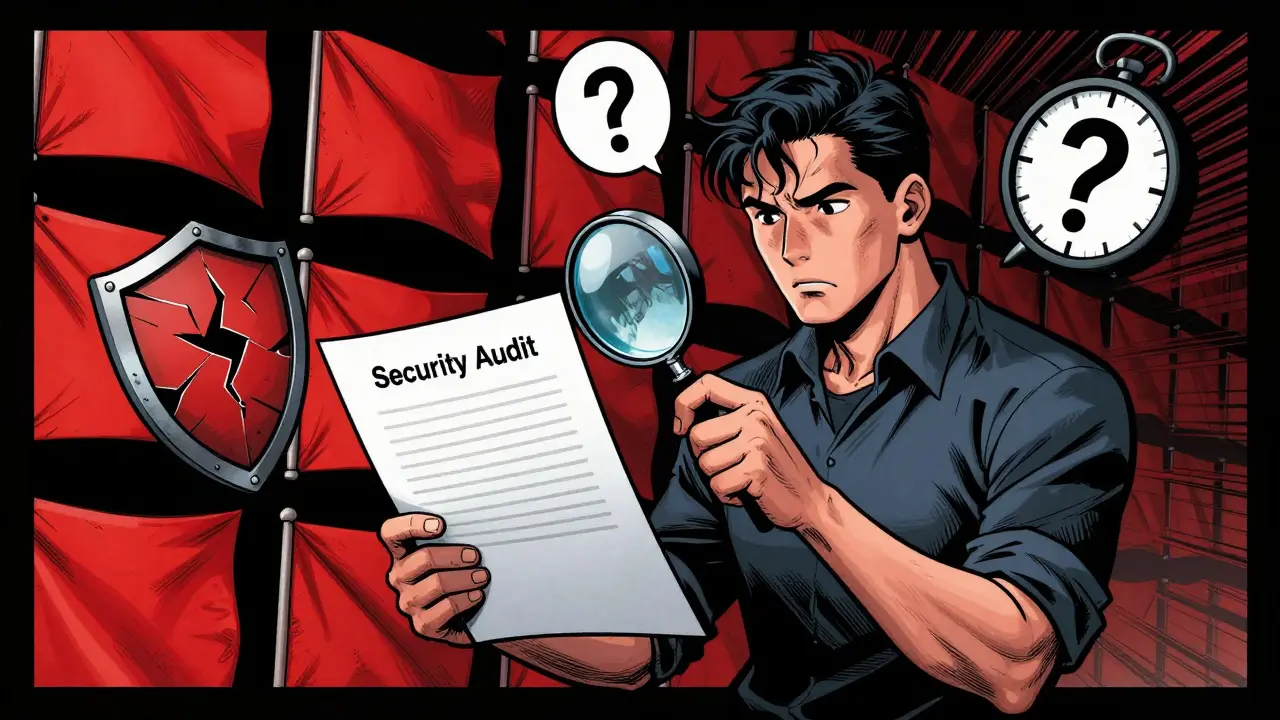
- No Public Security Audits: Decentralized protocols undergo rigorous code audits by firms like CertiK or Trail of Bits. These reports are public. Centralized exchanges share their insurance policies and cold storage practices. Hswap provides none of this transparency. Without an audit, you are trusting strangers with your private keys or funds based on hope alone.
- Domain Age and History: Many scam platforms use newly registered domains. While we cannot verify the exact domain age without knowing the specific URL you are looking at, the general pattern for obscure swaps is short-lived operations. Check the WHOIS data yourself. If the domain was registered less than a year ago, treat it with extreme caution.
Consider the case of FTX. Before its collapse, it was a household name. Yet, even then, internal controls were weak. Now imagine a platform with no name recognition, no public team, and no audits. The risk profile is exponentially higher. Your capital is not just at risk of loss due to market volatility; it is at risk of being stolen or locked away permanently.
Fees and Liquidity: The Hidden Costs
Let’s talk about money. Every trade costs something. On established platforms, these costs are transparent. Binance charges a maker/taker fee structure that starts around 0.1% but drops significantly with volume. Uniswap charges a flat 0.3% protocol fee on most pools. You know exactly what you’re paying.
With Hswap, the fee structure is often buried or vague. Some smaller swaps advertise "zero fees" only to hide massive spreads-the difference between the buy and sell price. A 1-2% spread is far more expensive than a 0.1% explicit fee. Furthermore, liquidity is key. Low liquidity means slippage. If you try to swap $1,000 worth of Bitcoin on a platform with thin order books, you might only receive $950 worth of Ethereum because there aren’t enough buyers at that price.
| Feature | Established Exchanges (e.g., Coinbase, Kraken) | Obscure Platforms (e.g., Hswap) |
|---|---|---|
| Fee Transparency | Clear, published schedules | Often hidden in spreads or unclear |
| Liquidity Depth | High, minimal slippage | Low, high slippage risk |
| Regulatory Status | Licensed in major jurisdictions | Unverified or anonymous |
| Customer Support | 24/7 dedicated teams | Often automated or non-existent |
Before you deposit a cent, calculate the true cost. If Hswap offers a slightly lower headline fee but has poor liquidity, you will lose more money on every trade. It’s a classic trap. Stick to platforms where the math works in your favor.
User Experience and Trust Signals
A good exchange should feel intuitive. You should be able to find your deposits, view your transaction history, and contact support without jumping through hoops. User reviews are a powerful tool here. Search for "Hswap review site:reddit.com" or check Trustpilot. What do you see? If the results are sparse, or if they are filled with complaints about withdrawals being stuck, that is your answer.
Trust is built over time. Platforms like Gemini have spent years building a reputation for security-first design. Robinhood made crypto accessible to millions, despite its own controversies, by providing a seamless UI. Hswap lacks this social proof. In the crypto world, reputation is currency. If nobody is talking about it positively, why would you join?
Also, consider the mobile app. Does it exist? Is it updated regularly? An outdated app suggests a lack of investment in the product. Security patches are critical. If the developers aren’t maintaining the software, your account is vulnerable to exploits.
Better Alternatives for Swapping Crypto in 2026
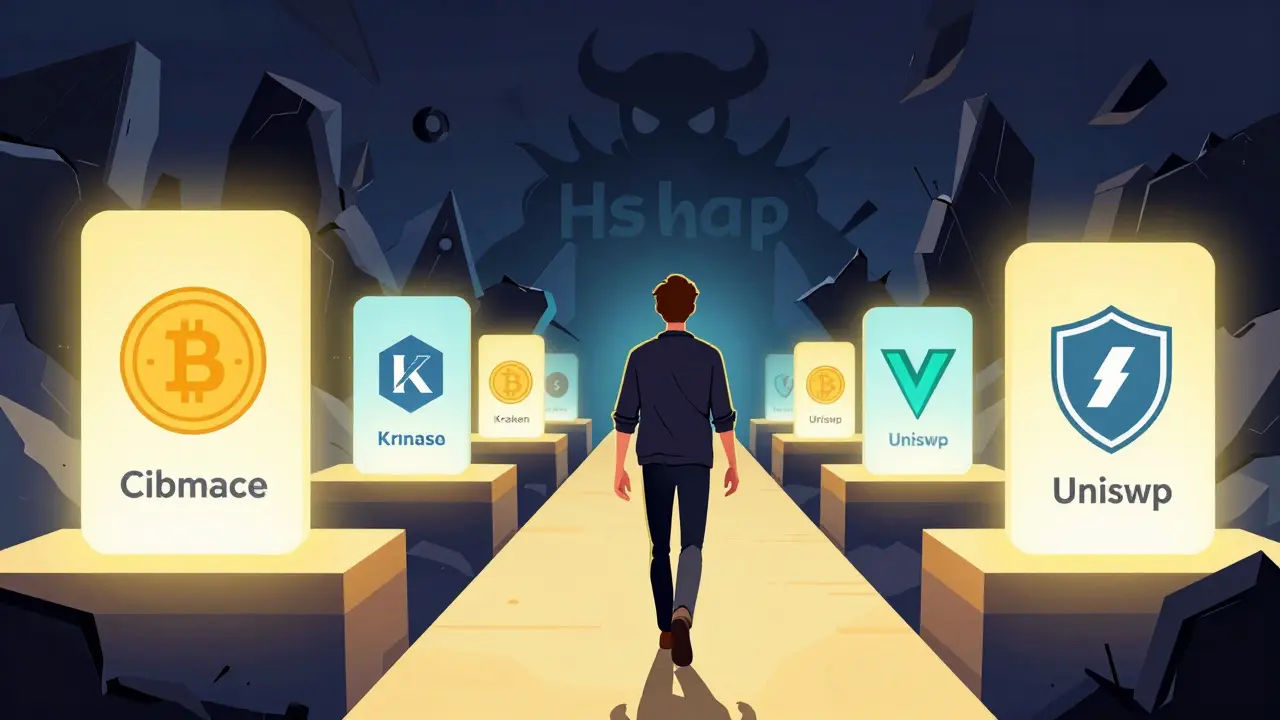
If Hswap doesn’t meet the bar for safety and transparency, where should you go? The good news is that the crypto infrastructure is robust and competitive. You have excellent options depending on your needs.
For beginners who want simplicity and regulatory protection, Coinbase or Kraken are top choices. They offer easy fiat on-ramps, strong customer support, and insured custody solutions. Yes, their fees might be slightly higher for casual users, but you are paying for peace of mind.
If you prefer decentralization and want to maintain control of your private keys, look at Uniswap or SushiSwap. These are open-source protocols. You connect your wallet (like MetaMask), approve the transaction, and swap directly on-chain. No middleman, no KYC (Know Your Customer) hassle, and full transparency via blockchain explorers.
For those seeking the best prices across multiple sources, aggregators like 1inch or Jumper.Exchange split your order across several DEXs to minimize slippage. This is ideal for swapping larger amounts of tokens without moving your funds to a centralized exchange first.
Don’t settle for mystery. The market is crowded with proven winners. Use platforms that respect your intelligence and your security.
How to Verify Any Crypto Exchange Yourself
Education is your best defense. Next time you encounter a new platform, run this quick checklist:
- Check the Team: Are the founders public? Do they have LinkedIn profiles? Anonymous teams are common in early-stage DeFi projects but risky for custodial exchanges.
- Look for Audits: Search for recent security audit reports. If the last audit was two years ago, the code may have changed significantly since then.
- Verify Domain Age: Use a WHOIS lookup tool. New domains are suspicious.
- Read Independent Reviews: Avoid blogs that link directly to the exchange’s sign-up page. Look for forums and independent tech reviewers.
- Test Small: Never invest large sums initially. Start with a tiny amount to test withdrawal speeds and customer service responsiveness.
This process takes ten minutes but could save you thousands of dollars. It shifts the burden of proof onto the platform, where it belongs.
Is Hswap a legitimate crypto exchange?
There is insufficient evidence to confirm Hswap as a legitimate, regulated, and secure crypto exchange. It lacks public security audits, regulatory licensing, and a transparent operational history. Users should exercise extreme caution and prefer established alternatives.
What are the safest alternatives to Hswap?
For centralized trading, Coinbase and Kraken are highly recommended for their regulatory compliance and security. For decentralized swapping, Uniswap and 1inch offer transparent, audited protocols with deep liquidity.
Why is transparency important in crypto exchanges?
Transparency ensures that users know where their funds are held, how fees are calculated, and who is responsible for security. Lack of transparency often hides poor liquidity, hidden fees, or inadequate security measures, increasing the risk of loss.
Can I recover funds if Hswap shuts down?
If Hswap is unregulated and operates anonymously, recovering funds is highly unlikely. Unlike banks or licensed exchanges that may have insurance or legal recourse, unregistered platforms offer no protection against insolvency or fraud.
How do I check if a crypto exchange is regulated?
Visit the website of financial regulators in major jurisdictions such as the US SEC, UK FCA, or Australian ASIC. Search their registers for the exchange’s name. If it is not listed, it is likely unregulated in those regions.