Centralized Exchange: What It Is, How It Works, and Which Ones to Avoid
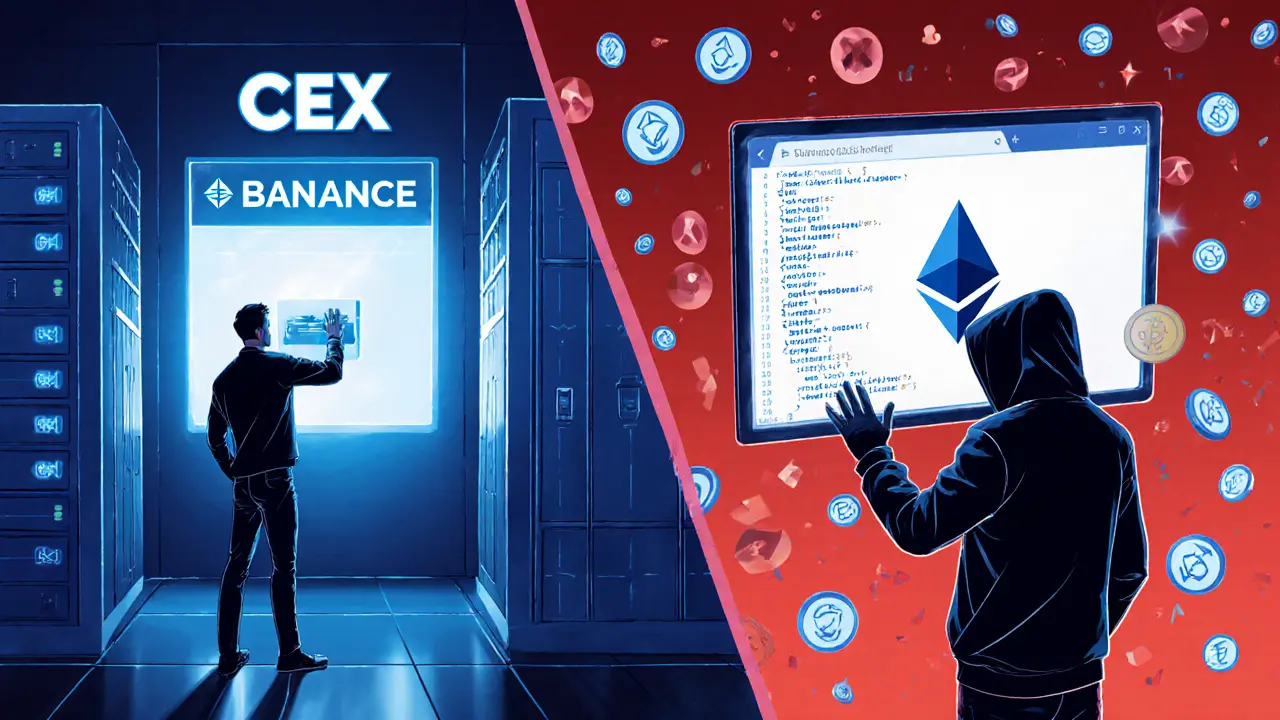
When you buy Bitcoin or trade Ethereum, you’re probably using a centralized exchange, a company that acts as a middleman between buyers and sellers, holding your crypto in their wallets and managing trades on their servers. Also known as CEX, it’s the most common way people get into crypto—but it’s also where most losses happen. Unlike decentralized platforms, a centralized exchange controls your keys, your funds, and sometimes even your access. If they get hacked, go bankrupt, or get shut down by regulators, your crypto could vanish overnight.
This is why KYC exchange, a platform that requires users to verify their identity with government ID has become the norm. Exchanges like Upbit and Cryptomate use KYC to stay legal in places like South Korea and the UK. But that same requirement makes them targets. Canada seized $40 million from TradeOgre because it didn’t follow the rules—and that’s not an outlier. In Nigeria, new laws now force exchanges to get SEC licenses. If you’re trading on a platform that doesn’t ask for your ID, you’re likely on a non-KYC exchange, a platform that avoids identity checks, often operating in legal gray zones or outright breaking the law. These might feel private, but they’re also the ones that disappear without warning—like BitWell and HyperPay Futures, both flagged as scams after users couldn’t withdraw funds.
Not all centralized exchanges are bad. Some offer deep liquidity, low fees, and strong security. But many are just frontends for empty wallets. You’ll find posts here on UBIEX, a high-fee, unregulated platform, and on BitWell, a ghost exchange that vanished with users’ money. You’ll also see how regulators are stepping in, how airdrops get tied to exchange accounts, and why low-cap tokens like BOHR or RUGAME often only trade on sketchy platforms. The truth? Most people don’t realize that when they click "Buy," they’re not owning crypto—they’re trusting a company to hold it for them. And if that company fails, your investment goes with it.
Below, you’ll find real reviews, real warnings, and real stories from traders who lost money because they didn’t ask the right questions. Whether you’re new to crypto or have been trading for years, knowing the difference between a regulated exchange and a scam operation isn’t optional—it’s your first line of defense.