Futures Trading Platform
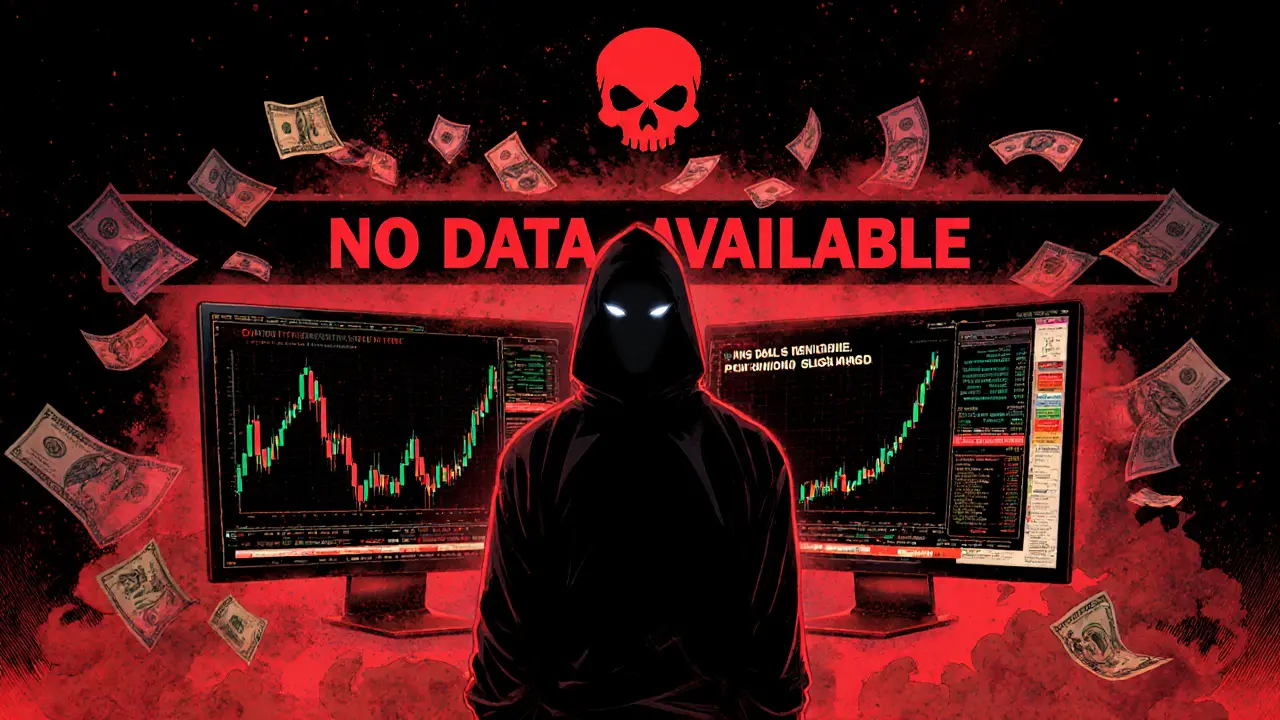
When you use a futures trading platform, a system that lets traders agree to buy or sell an asset at a set price on a future date. Also known as derivative trading platform, it lets you profit from price swings without owning the actual coin—whether it’s Bitcoin, Ethereum, or a meme token. This isn’t speculation—it’s a contract. And if you’re trading crypto, you’re likely doing it on a decentralized exchange, a platform that runs on blockchain and lets users trade directly without a middleman. Unlike traditional brokers, these platforms don’t hold your money. You connect your wallet, set your leverage, and go. But that freedom comes with risk—big time.
Most futures trading platform users rely on leveraged trading, where you borrow funds to amplify your position. A 10x leverage means you control $10,000 with $1,000. Sounds great until the market moves $100 against you—and you’re wiped out. That’s why many traders lose money on these platforms: they chase quick gains and ignore margin calls. Some platforms, like those built on Ethereum or BSC, offer up to 100x leverage. Others, especially regulated ones, cap it at 10x or 20x. The higher the leverage, the faster you can go broke.
What separates a good futures trading platform from a bad one? Transparency. Look for clear fee structures, real-time order books, and on-chain settlement. Avoid platforms that hide their liquidity or don’t show how they handle liquidations. Some use centralized servers behind a DeFi front—those are red flags. Others are fully on-chain, with smart contracts that auto-execute trades and margin calls. You’ll find both types in the posts below. You’ll also see how scams pretend to be futures platforms, promising free tokens or guaranteed returns. Those aren’t trading tools—they’re traps.
The posts here cover real examples: exchanges that claim to offer futures, tools that help track liquidations, and guides on how to spot fake platforms. You’ll learn what’s actually working for traders in 2025, what’s just hype, and how to protect your capital when the market turns. No fluff. No promises. Just what you need to know before you click ‘Buy’ on a futures contract.