
Interoperable Gaming NFTs Across Games: How Digital Assets Move Between Worlds
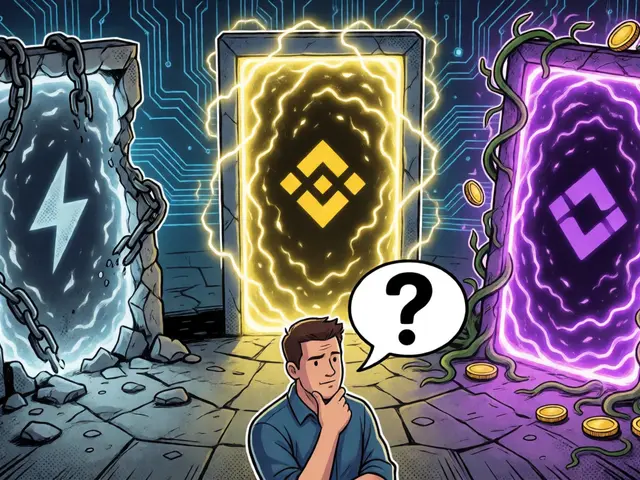
Imagine buying a rare sword in one game, then walking into another game and using that exact same sword - not as a copy, but as the real thing you own. That’s the promise of interoperable gaming NFTs. No more locking your hard-earned gear in one game forever. No more losing value when a game shuts down. With blockchain, your digital items can travel across games like physical objects in the real world. But here’s the catch: it’s not as simple as it sounds.
What Exactly Are Interoperable Gaming NFTs?
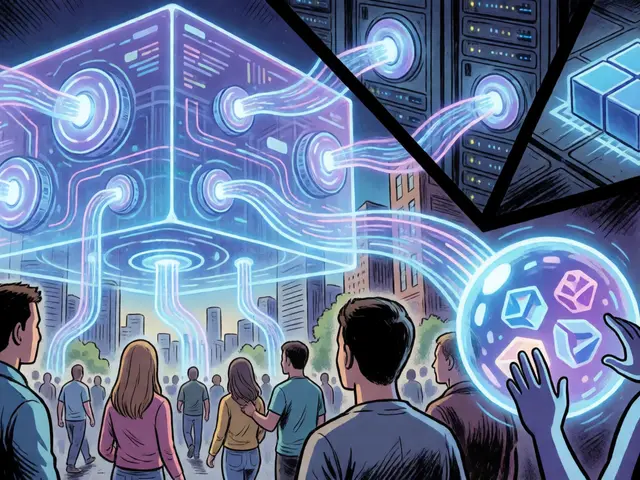
Interoperable gaming NFTs are digital items - weapons, skins, avatars, land - that are stored on a blockchain and designed to work in more than one game. Unlike traditional in-game items, which are locked to one title (like a Fortnite skin you can’t use in Call of Duty), these NFTs carry their own identity and rules. They’re not just pictures. They’re verifiable assets with ownership history, attributes, and rules encoded into smart contracts. The idea isn’t new. CryptoKitties in 2017 showed that digital collectibles could have real value. But true interoperability? That’s still evolving. Today, only a handful of games let you move assets between them. Most are still stuck in their own little worlds.How Do They Actually Work?
At the core, interoperable NFTs rely on three things:- Token standards - Most use ERC-721 or ERC-1155 on Ethereum. These define how the NFT is created and tracked. Solana uses SPL tokens, which are faster and cheaper.
- Decentralized storage - The image or 3D model of your NFT isn’t stored on the blockchain itself. It’s saved on systems like IPFS or Arweave. If the storage fails, your NFT might show up as a broken image.
- Smart contracts - These are the rules that say: "This sword can be used in Game A and Game B, but only if its attack power is adjusted for Game B’s balance." Without these, the NFT is just a static image.
Why It Matters: Ownership vs. Control
In regular games, you don’t own your items. You’re just licensed to use them. If the company shuts down the server, your stuff vanishes. Remember when Sony shut down PlayStation Home? Thousands of custom avatars disappeared overnight. With interoperable NFTs, you hold the key. Your assets live on the blockchain. Even if the game company goes bankrupt, the NFT still exists. You can sell it, trade it, or use it in another compatible game. This changes the whole economy. In 2022, the NFT gaming market hit $4.7 billion in transaction volume. That’s tiny compared to the $394 billion global gaming market - but it’s growing fast. Players are starting to treat digital items like real property. And that’s scary for game studios used to controlling every aspect of their world.
The Real Problems: Why It’s Still Rare
Here’s the truth: most people think interoperable NFTs are just about moving a cool skin from one game to another. But it’s way harder than that. Take a sword. In Game A, it deals 120 damage. In Game B, the balance system says the max damage is 80. Do you just lower the number? What if Game B uses a different physics engine? The sword’s model might clip through walls. Or the animation doesn’t match the character’s movement. This isn’t a bug - it’s a fundamental design clash. A 2023 study by Antier Solutions found that 73% of failed interoperability attempts happened because of incorrect metadata. That’s data attached to the NFT - like weight, speed, rarity, or elemental type. If Game A calls it "Fire Damage: High" and Game B expects "FlamePower: 7/10," it breaks. And that’s just the tech. There’s also the creative side. Game designers don’t want players bringing in overpowered gear from outside. That ruins balance. Dr. Jane McGonigal, a top game designer, put it bluntly: "Most game balance relies on precisely calibrated economies that break when external assets enter the system."Who’s Doing It Right?
Some projects are making progress:- The Sandbox + Decentraland - These two let you use the same avatar wearables across both. It works because they both use ERC-1155 and agreed on a shared wardrobe standard.
- Axie Infinity + Overworld - In late 2022, players could take their Axies into a tactical RPG. But it took six months of custom coding. Only 14% of Axie players ever tried it.
- CryptoPunk #7804 - This punk was featured in four different games between 2022 and 2023. Its secondary sales hit $12,500. It’s one of the few NFTs to prove real cross-game value.
What’s Holding Back Mass Adoption?
Three big barriers:- Technical complexity - Developers need to learn Solidity or Rust, understand blockchain storage, and build compatibility layers. Sequence’s 2023 survey found game studios take an average of 11.7 weeks just to learn how to implement this.
- Player friction - Most gamers don’t want to manage wallets, seed phrases, or gas fees. A 2023 study found 82% of traditional players needed more than three help sessions to move one NFT. Wallet errors caused 67% of failures.
- No standards - There’s no universal rulebook. The Metaverse Standards Forum released a framework in August 2023 called UADS, but adoption is slow. Only 12% of the top 100 game studios are working on interoperability. The rest are waiting.
What’s Next?
The future isn’t all-or-nothing. Experts agree: full functional interoperability - where a weapon from one game works perfectly in another - is still years away. But cosmetic items? That’s coming fast. By 2027, Newzoo predicts 40% of AAA studios will allow players to bring in NFT-based skins, hats, or emotes. Think of it like Steam trading cards - but owned by you. Not owned by the game company. Sequence’s upcoming "GameLink Protocol" (scheduled for Q2 2024) claims it can translate physics and animation data between engines in real time. If it works, it could solve the biggest technical roadblock. Meanwhile, the EU’s MiCA regulations (effective January 2024) are forcing companies to think about compliance. The U.S. still has no clear rules. That uncertainty is slowing big players down.Should You Care?
If you’re a player who’s spent hundreds on skins or gear: yes. Interoperable NFTs mean your investments might last longer. Your rare item won’t vanish when a game dies. If you’re a developer: you’re facing a choice. Build in isolation, or invest in a future where your game connects to others. The cost is high. The payoff? A player base that stays loyal because they own part of the ecosystem. If you’re skeptical - you’re right to be. Too many promises have been broken. Too many NFTs turned into dead links. But this time, the underlying tech - blockchain, decentralized storage, smart contracts - is real. The problem isn’t the idea. It’s the execution. The future of gaming isn’t just about better graphics or faster servers. It’s about ownership. About permanence. About freedom. Interoperable gaming NFTs aren’t here yet. But they’re closer than you think.Can I use my NFT from one game in any other game?
No, not yet. Most interoperable NFTs only work between games built on the same blockchain and using compatible standards. For example, an NFT from The Sandbox can work in Decentraland because both use ERC-1155 and agreed on shared metadata rules. But you can’t take an Axie Infinity NFT into a Solana-based game without a bridge - and bridges are risky, slow, and often fail.
Are interoperable NFTs worth buying?
Only if you’re okay with risk. Right now, most interoperable NFTs have limited use cases - mostly cosmetics like hats or emotes. Their value comes from scarcity and potential future use. But if the game they’re tied to shuts down or the interoperability feature is dropped, your NFT might lose most of its value. Treat them like collectibles, not investments.
Do I need a crypto wallet to use interoperable NFTs?
Yes. You need a Web3 wallet like MetaMask, Phantom, or Coinbase Wallet to store, send, and receive NFTs. You’ll also need to pay gas fees (transaction costs) when moving assets between games. If you’re not comfortable managing private keys or seed phrases, this isn’t for you - yet.
Why don’t big game companies like EA or Ubisoft use this?
Because they control everything. If players can bring in their own gear from outside, it breaks game balance. It also means they lose revenue from selling items. Plus, there’s no industry-wide standard. Building interoperability is expensive, risky, and legally uncertain - especially with new regulations like the EU’s MiCA. Most big studios are watching, not building.
Is this just a hype bubble?
Part of it is. Many projects overpromised and underdelivered. But the core idea - true digital ownership across games - is real. It’s not about NFTs being valuable today. It’s about what they enable: player control, persistent economies, and open ecosystems. That’s not hype. That’s the next evolution of gaming.

I get the vision, but let’s be real - most players just want to play games, not manage blockchain wallets. I bought a skin in Rocket League. It’s gone now. Didn’t break my heart. I’ll stick with games that don’t make me feel like I’m doing taxes to enjoy a cool hat.
Ownership is a beautiful idea. But ownership without utility is just digital hoarding. If my NFT sword can’t actually function meaningfully in another game, am I owning it - or just owning a .png with a fancy ledger entry?
This is the future, man. 🚀 Imagine your rare skin from one game showing up in another like a badge of honor. No more starting from zero. Your grind follows you. It’s not hype - it’s evolution. Get ready.
I already have 3 NFTs sitting in my wallet that no game accepts 😅 But I believe. One day my dragon helmet will be OP in 5 different games. Until then… I keep holding. 💪🔥
It’s funny how we talk about ownership like it’s a right, but ignore the fact that games are creative spaces. If everyone brings in their own overpowered gear, the artistry of balance disappears. Maybe we need interoperability - but with guardrails.
I’ve tried moving an NFT between two games. It failed three times. The wallet glitched. The gas fee was $18. The item didn’t appear. I gave up. The tech isn’t ready. And the UX? Still a nightmare. Please - focus on making this easy before selling it as revolution.
I love that this exists. But honestly? I don’t care if my NFT works across games. I care that I own it. Even if it’s just sitting there - it’s mine. Not the company’s. That’s powerful. 🤍
Let’s cut through the noise. This isn’t innovation - it’s a Ponzi scheme repackaged with blockchain jargon. Game studios are being pressured into this by investors who want liquidity, not player empowerment. The real beneficiaries? Exchange platforms and wallet providers. Not you.
You people are so naive. You think owning an NFT means freedom? It means you’re now responsible for security, storage, backups, and gas fees. Meanwhile, the game devs get to monetize your labor while you do all the work. Wake up. This isn’t empowerment - it’s exploitation dressed as rebellion.
I’m from the U.S. but my cousin in India uses this stuff daily. He trades skins between games, makes tiny profits, and loves the autonomy. It’s not perfect - but it’s real for him. Maybe we’re too focused on the flaws when some people are already living the future.
I don’t know why everyone’s so worked up. It’s just a hat. If it works, cool. If it doesn’t, I’ll buy another. Life’s too short to stress over digital stuff that can’t even be used in the game you paid for. Chill.
i think this is cool but i dont get all the crypto stuff. can u just send me the item like steam? why do i need wallet? why gas fee? i just wanna play
If you’re buying NFTs for interoperability, you’re already gambling. And you’re not even betting on the game - you’re betting on the *hope* that someone else will care about your item tomorrow. That’s not ownership. That’s speculation. And it’s dangerous.
The entire concept feels like a desperate attempt to monetize what should be free player creativity. You want interoperability? Build better cross-game cosmetics. Don’t force blockchain into a space that doesn’t need it. This is tech solving a problem nobody asked for.
In Nigeria, we’ve been trading virtual goods for years - no blockchain. Just trust, screenshots, and WhatsApp. Maybe the real lesson here isn’t about tech - it’s about community. Can we build trust without crypto?
I’ve been in gaming since 2005. Every time someone says ‘this time it’s different’ - it’s not. But I’m keeping an open mind. If GameLink Protocol actually works? I’ll be first in line. Until then? I’m still playing Minecraft.
The fundamental flaw lies in the ontological dissonance between proprietary game economies and decentralized asset sovereignty. Without a unified semantic layer - i.e., a standardized ontology for item attributes - interoperability remains a syntactic illusion. We are conflating tokenization with functional equivalence. A critical oversight.
I just think if we all worked together and made it easier for people to understand and not make it so complicated like with all the wallet things and gas fees and stuff... maybe it could actually be something beautiful. I mean, imagine if your little dragon scarf from one game could just... appear in another one. Like magic. But it’s not magic if it takes 12 steps and a PhD to do it.
Let’s be honest - this isn’t for gamers. It’s for VCs who want to flip digital collectibles like Beanie Babies. The ‘ownership’ narrative is just marketing. Real players don’t care about blockchain. They care about fun. And right now? This is the opposite of fun.
I’ve seen this movie before. Remember the Wii Fit Balance Board? Everyone thought it was revolutionary. Then it sat in the closet. NFTs? Same. People will buy them. Then forget. Then cry when they disappear. I told you so.
I dont have much to say. But i hope this works. For the kids who work hard in games and want to keep what they earned. Thats all.