
What is Solana Poker (PLAY) Token? Everything You Need to Know
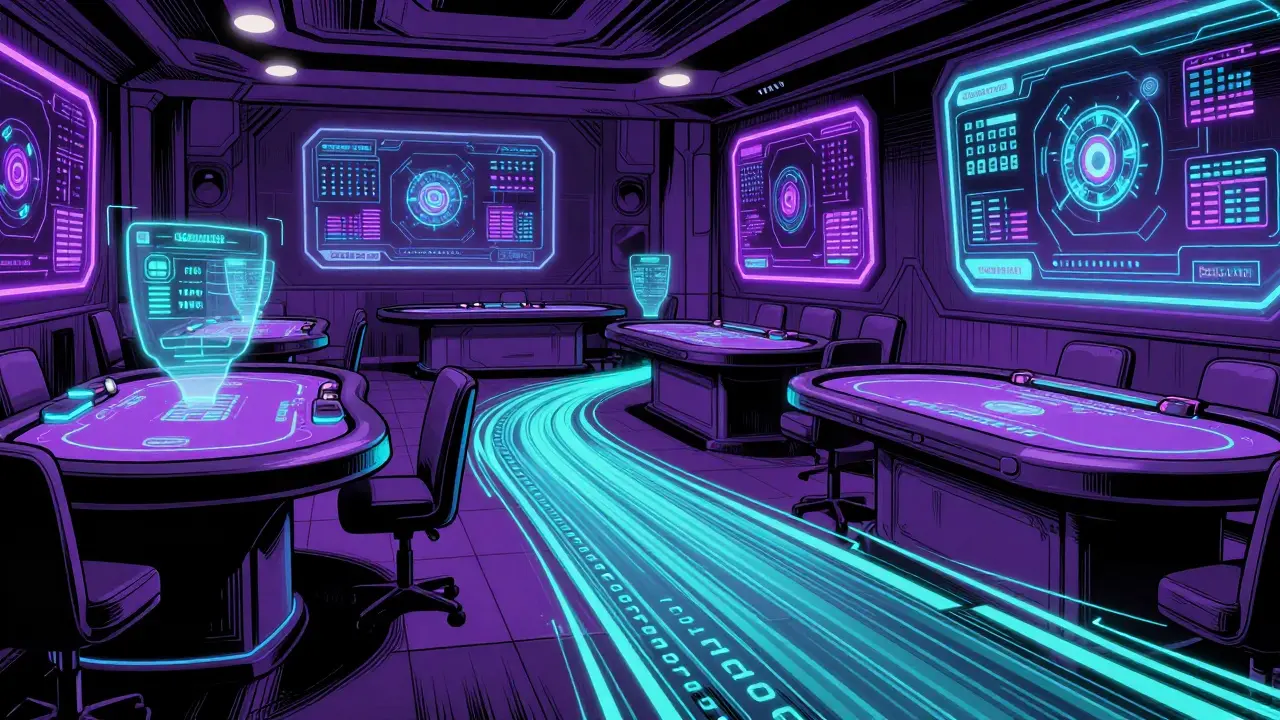
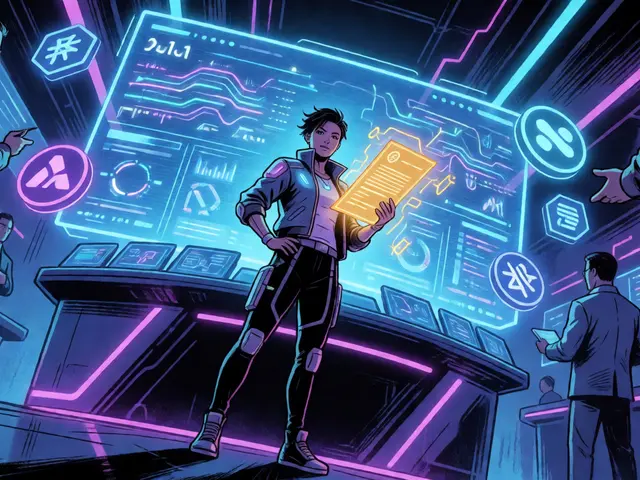
Imagine a digital poker room where every hand is settled in under a second and fees are practically zero. That is the promise of Solana Poker (PLAY) is a utility token designed for the SOL-Poker online gaming platform, utilizing the Solana blockchain to facilitate high-speed gambling transactions. Also known as PLAY token, it aims to solve the lag and high cost issues common in traditional online poker. However, while the technology behind it is powerful, the token itself tells a much more cautious story for potential investors.
| Attribute | Value / Detail |
|---|---|
| Blockchain | Solana (SPL Standard) |
| Total Supply | 100 Million PLAY |
| Market Cap (Nov 2025) | $904,000 |
| Primary Use Case | In-game currency & Governance |
| Consensus Mechanism | Proof of History (PoH) |
How the PLAY Token Actually Works
The Solana Poker (PLAY) coin doesn't operate in a vacuum. It is built on the Solana blockchain, a high-performance network known for its massive throughput and low latency. By using the SPL (Solana Program Library) token standard, PLAY can be held in common wallets like Phantom or Sollet without needing a specialized bridge.
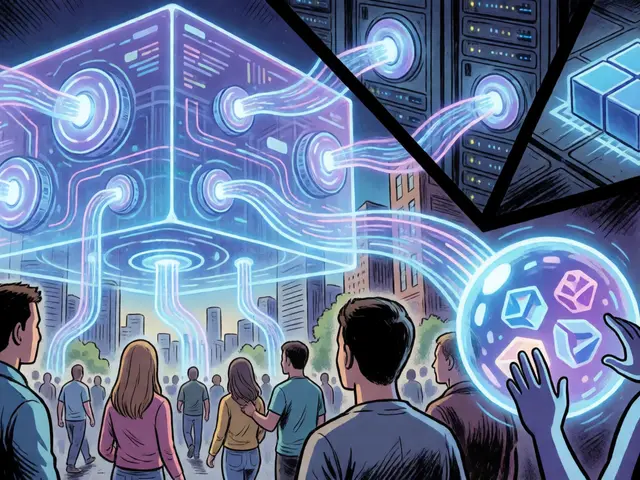
In a perfect scenario, the token serves as the lifeblood of the SOL-Poker platform. Players use PLAY to buy into tournaments, pay for hands, and receive their winnings. The platform uses smart contracts to automatically verify who won the pot and distribute the tokens instantly. Because Solana can handle over 65,000 transactions per second, you don't have to wait for a "block confirmation" like you would on older networks. While a Bitcoin transaction might take 10 minutes, a PLAY token transfer happens in less than one second.
Comparing PLAY to Other Gaming Tokens
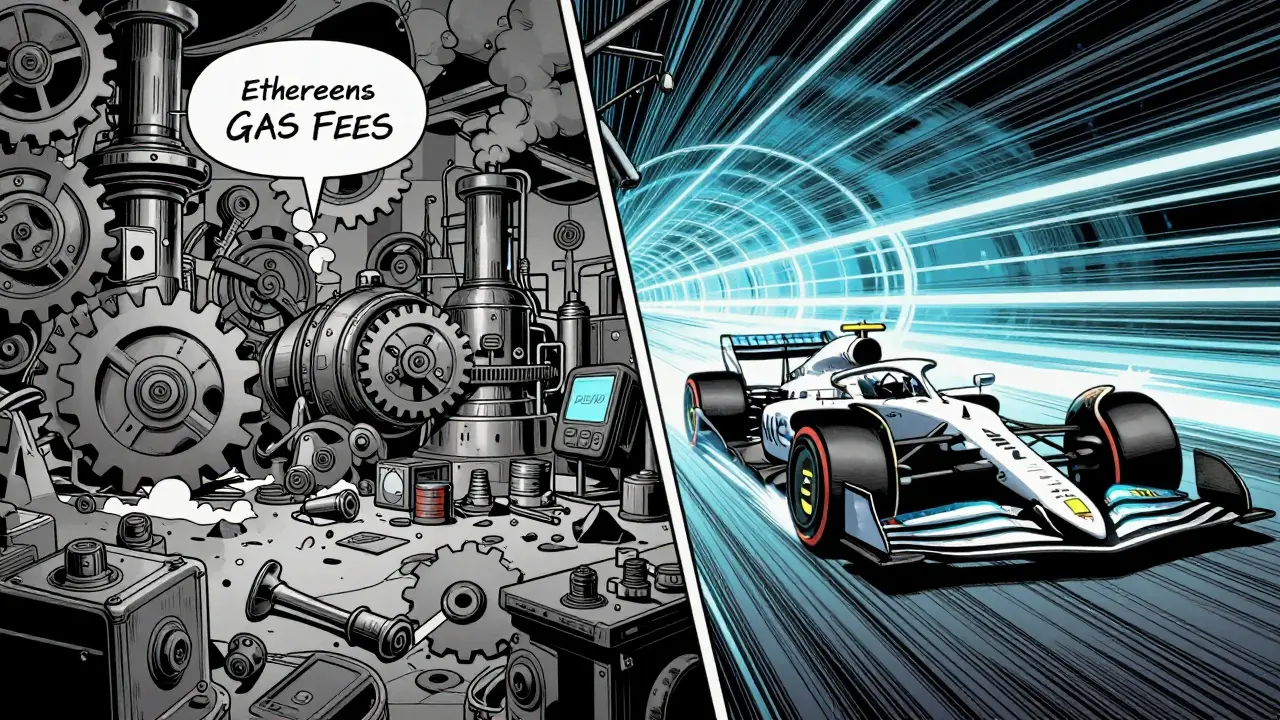
When you look at the broader world of blockchain gaming, PLAY tries to compete on speed and cost. Many early poker tokens were built on Ethereum, but they hit a wall when "gas fees" spiked. For example, a simple bet on an Ethereum-based platform could cost $15 in fees, making small-stakes poker impossible. PLAY avoids this, with average transaction costs sitting around $0.00025.
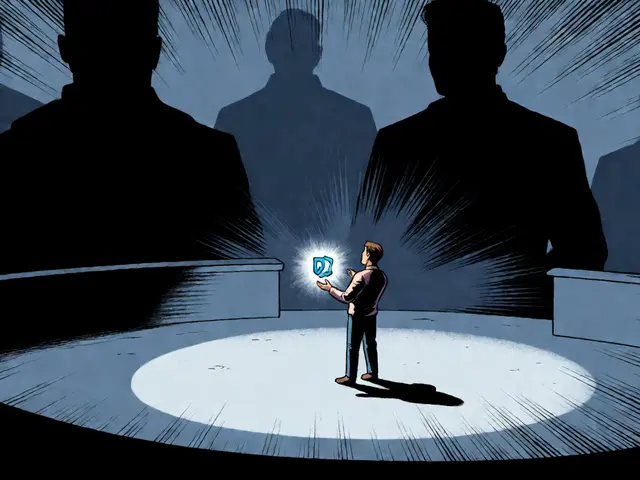
However, there is a massive difference between technical speed and market success. If we compare PLAY to a giant like Gala Games, a leading blockchain gaming ecosystem with a multi-billion dollar market cap, the gap is staggering. While Gala has an active economy with thousands of users, PLAY has a tiny market cap of under $1 million and extremely few unique holders. It's like having a Formula 1 engine installed in a car that nobody is driving.
The Red Flags: Is it a Safe Bet?
If you're considering putting money into PLAY, you need to look at the actual data, not the marketing. The most alarming metric is the trading volume. As of late 2025, reports showed zero 24-hour trading volume on major tracked exchanges. In the crypto world, zero volume usually means there is no one buying or selling-essentially, the market has stopped interested in the asset.
Then there's the issue of centralization. A healthy crypto project is decentralized, meaning tokens are spread across thousands of people. PLAY is the opposite. Analysis shows that the top 10 holders control over 97% of the entire 100 million token supply. This means a handful of people could crash the price instantly if they decided to sell. Furthermore, the lack of a public GitHub repository for its smart contracts means the code isn't open for community audit, which is a major transparency fail.
Real-World Usability and User Experience
Theoretically, the onboarding process for SOL-Poker is simple: get a Solana wallet, deposit PLAY, and start gaming. But in practice, the experience seems to be lacking. Users on forums have reported that the website often feels "half-finished," and some have even struggled to find where the actual games are located after depositing their tokens.
Compare this to other Solana-based projects like Stepn, which built a massive community through active social media and clear product updates. PLAY has almost no social presence. Searches on Reddit and Twitter show a ghost town of activity. When a project has zero social volume and no active Discord channel, it's usually a sign that the developers have moved on.
The Regulatory Hurdle
Gambling tokens face a much tougher road than regular utility tokens. The Unlawful Internet Gambling Enforcement Act (UIGEA), a US law that prohibits gambling businesses from knowingly accepting payments from gambling players, creates a minefield for projects like SOL-Poker. Because the team behind PLAY remains anonymous, there is no evidence that they have the legal infrastructure to handle these regulations. This makes the token a high-risk asset, as regulatory crackdowns can shut down a platform overnight.
Final Verdict on the Future of PLAY
The tragedy of Solana Poker (PLAY) is that it's built on the right foundation but lacks a real building. The Solana blockchain is genuinely revolutionary for gaming, processing billions in volume and supporting thousands of dApps. But PLAY has failed to ride that wave. With a consistent price decline and a complete lack of roadmap updates for nearly two years, most industry analysts consider the token effectively dead.
If you are looking for exposure to blockchain gaming, you might be better off looking at the broader SOL token itself or established gaming ecosystems. PLAY serves as a cautionary tale: a fast blockchain and a shiny idea aren't enough if there's no active community or functional product to back it up.
What is the main purpose of the PLAY token?
The PLAY token is designed as the native currency for the SOL-Poker platform. It is used for paying entry fees in poker tournaments, wagering in games, and potentially for governance votes within the platform's ecosystem.
Is Solana Poker (PLAY) a safe investment?
Based on market data, it is considered extremely high-risk. Red flags include zero 24-hour trading volume, extreme token concentration (top 10 holders own 97%+), and a lack of active development or community engagement.
How does PLAY compare to Ethereum gaming tokens?
Technically, PLAY is much faster and cheaper. While Ethereum users often pay high gas fees (sometimes over $10) to play a game, PLAY transactions on the Solana blockchain cost a fraction of a cent and confirm in under a second.
Which wallet should I use to hold PLAY tokens?
Since PLAY is an SPL token on the Solana network, you can use any standard Solana-compatible wallet, with Phantom and Sollet being the most popular choices.
Why is the trading volume for PLAY so low?
Low volume indicates a lack of liquidity and buyer interest. This is likely due to the platform's failure to attract a wide user base and the absence of a functioning, polished product that encourages people to use the token.

The tokenomics here are absolutely abysmal. Having 97% of the supply held by ten wallets isn't just a "red flag," it's a systemic failure of decentralization that renders any talk of "utility" completely moot. When liquidity is non-existent and the volume is zero, you aren't looking at a currency, you're looking at a digital graveyard. The lack of a public GitHub is the final nail in the coffin, as it demonstrates a total disregard for transparency and basic security auditing standards. Anyone pretending this has "potential" is either delusional or trying to exit-liquidity their own bags onto unsuspecting newcomers. It's honestly embarrassing that people still fall for these shallow wrappers on the Solana network without checking the on-chain data first.
Total scam vibes 🚩🚩🚩
Oh wow, a "revolutionary" poker coin that nobody uses. Truly a miracle of modern finance! I'm sure the ten whales holding everything are just waiting for the perfect moment to "help" us all by dumping their tokens on our heads. Absolutely brilliant strategy.
I've spent some time looking at SPL tokens... and this one is definitely a mess!!! If you're looking for gaming, maybe try something with an actual player base!!! It's all about the community... not just the speed of the chain!!!
Total rug pull energy! The liquidity is cooked and the slippage would be insane if you even tried to swap this junk. We're talking about a dead project with zero TVL and a dev team that probably ghosted months ago. I've seen better projects launched by a bot in five minutes. Just a straight-up pump and dump that forgot to do the pumping part. absolute trash tier asset!
Why do people even care about these tokens anyway? Gambling is just a waste of money, and doing it with a fake coin is even worse. It's all just a big scam to trick people into thinking they're investing in technology when they're actually just betting on a digital slot machine that doesn't even work.
Only Americans know how to build real tech, but this garbage is just a joke. It's a toy for losers who can't play real poker. This isn't a project, it's a mistake. Get this trash off the internet!
Seems like a tough spot for the devs.
It is interesting how the speed of a network is often mistaken for the value of the project. We focus so much on the plumbing that we forget to check if there is actually any water flowing through the pipes. The void where a community should be is more telling than any chart.
Just staying on the sidelines for this one. Thanks for the heads up about the red flags!
Maybe they just need more time to build the community. Sometimes great things take longer to grow if the foundation is being fixed.
Oh honey, "time" isn't the problem here. The problem is that the devs probably spent the seed money on a vacation and forgot the password to the website. Your optimism is almost as cute as this token's market cap.
I would suggest looking into the legalities of the UIGEA mentioned here. In the UK, we have our own strict gambling commissions that would likely find this project non-compliant. It is always prudent to ensure a project has a licensed legal entity before engaging.
The audacity of calling this a "utility token" is almost poetic. It's a paperweight. A digital, useless, expensive-to-acquire paperweight. I love how they brag about Solana's speed while the project itself is moving at the pace of a dead snail.
Keep your chin up everyone! 🌟 Just use this as a learning experience to do better research next time! Knowledge is power! 💪✨
I agree with the need for better due diligence before jumping into these things.