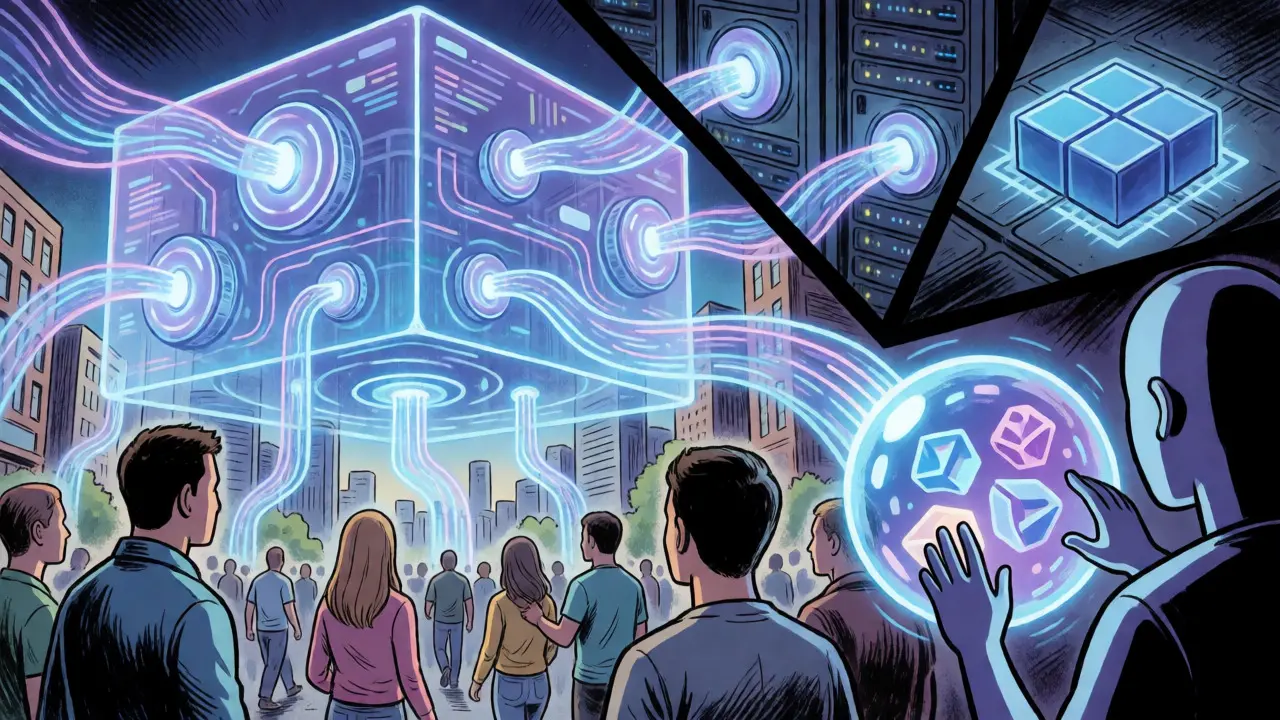
BlockSwap Network StakeHouse NFT Airdrop: What You Need to Know
Have you ever wondered if the next big crypto opportunity is hiding in plain sight? BlockSwap Network is trying to answer that question with its latest moves around StakeHouse LSD Networks. If you are eyeing the CBSN token or hunting for an NFT airdrop, you need to look past the hype and check the hard data. The project aims to simplify Ethereum staking, but does it actually deliver on the promise of free assets?
The Core Mission Behind BlockSwap
At its heart, BlockSwap Network isn't just another DeFi protocol. It acts as a permissionless web3 infrastructure layer designed for multichain composable ETH and modular Ethereum blockspace. Think of it as the plumbing that makes Ethereum's Proof of Stake ecosystem more accessible for everyday users. The native token, CBSN, completed its Token Generation Event back in April 2021. Since then, the team has focused on providing public benefit infrastructure rather than just chasing quick flips.
The mission is straightforward: onboard regular people to Proof of Staking by offering stable yields. They want to bridge the gap between complex Decentralized Finance mechanics and the outside world. This focus on mainstream adoption sets them apart from projects that only cater to crypto natives. By connecting DeFi with real-world utility, they hope to drive sustainable growth for the network.
Understanding StakeHouse Technology
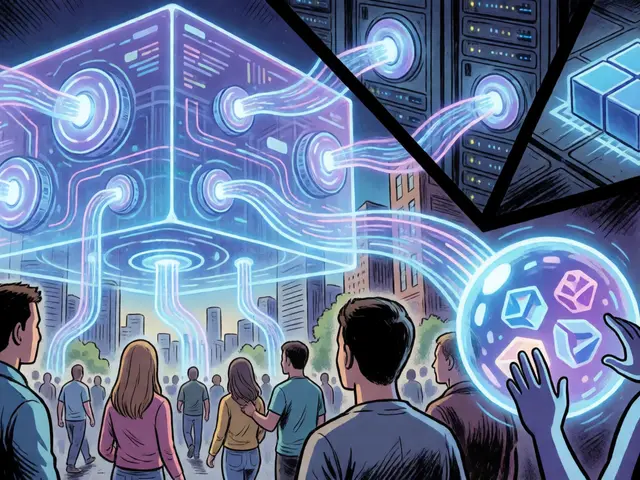
StakeHouse serves as the flagship product within this ecosystem. It functions as a decentralized liquid staking platform that brings an automated coordination layer to Ethereum. The technology allows users to access staked ETH2 liquidity through ERC20 tokens without needing to trust a central authority. This trustless design ensures that your assets remain secure while you earn rewards.
The system relies on a suite of smart contracts that handle the heavy lifting. Instead of locking up your ETH indefinitely, StakeHouse lets you keep your capital liquid. You can trade, lend, or use your staked positions elsewhere in the DeFi landscape. This flexibility is crucial for anyone who wants to maximize their capital efficiency without sacrificing staking rewards.
How the CBSN Token Works
Let's talk numbers because they matter when evaluating potential returns. The CBSN token has a total supply of 500 million units, with a maximum cap set at 5 billion tokens. Interestingly, current data shows zero circulating supply despite the TGE happening years ago. This unusual metric suggests that most tokens might still be held by the team or locked in specific mechanisms not yet fully released to the public market.
The project raised $7 million across four funding rounds, which provides some runway for development. However, the lack of immediate lock-up periods during the initial launch indicates that early investors had immediate access to their tokens. Today, the token trades with limited activity, and its profile score sits at 44% on major tracking platforms. Keep an eye on these metrics if you plan to hold long-term.
| Metric | Value | Notes |
|---|---|---|
| Total Supply | 500 Million | Fixed initial issuance |
| Max Supply | 5 Billion | Potential future expansion |
| Circulating Supply | 0 | Limited public float currently |
| Funding Raised | $7 Million | Across 4 private rounds |
| TGE Date | April 26, 2021 | No initial lock-up period |
The StakeHouse Batch (SHB) Mechanism
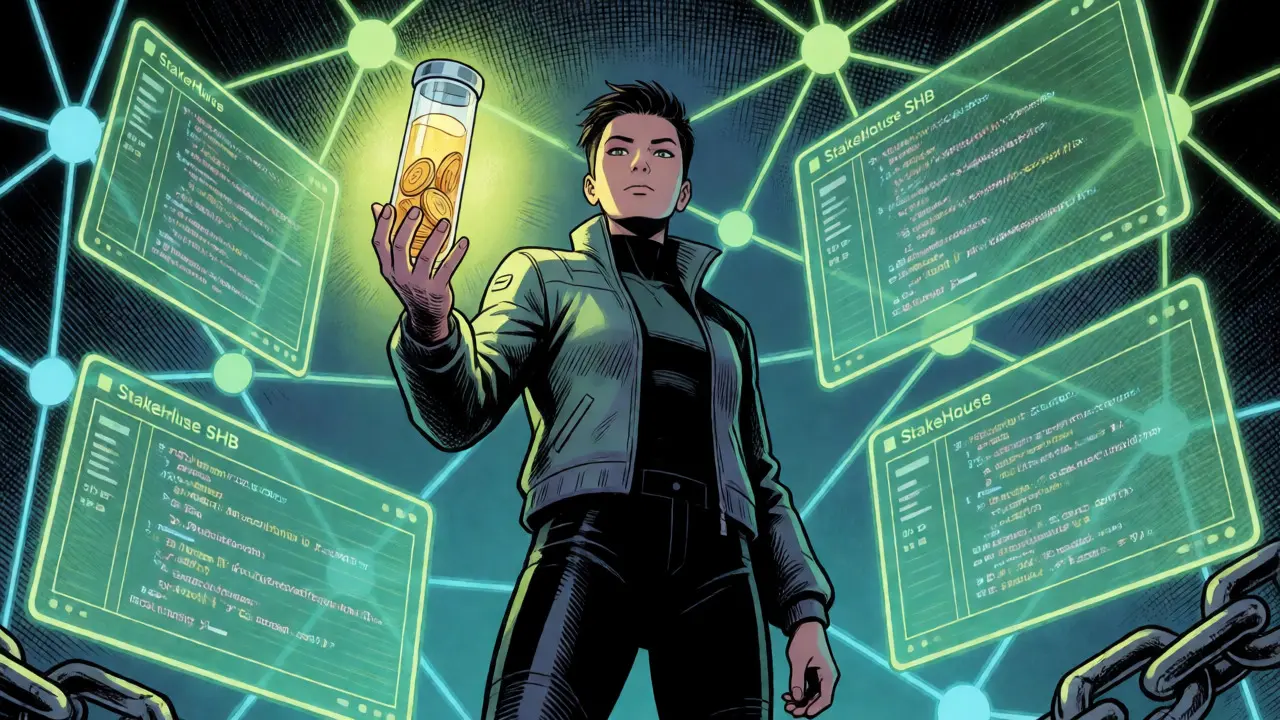
To understand where NFTs might fit in, you first need to grasp the StakeHouse Batch (SHB) tokens. These serve as batch minters with native yield, exclusive to minting batches for Stakehouses within the CommunityNet. Essentially, SHB tokens represent a simulation of a 32 ETH deposit. They function as part of a market fit exercise to stress test contracts in real-time environments.
Currently, SHB tokens are not available for trading on major exchanges listed on CoinGecko. The team plans to update availability once these tokens hit centralized or decentralized exchanges. For now, they act primarily as internal governance and utility instruments within the community. This exclusivity could make them valuable if the network scales significantly.
Is There a Real NFT Airdrop?
Here is the tricky part. While many headlines mention "NFT airdrops," the concrete evidence points toward fungible token distributions. Previous campaigns offered a prize pool worth $2,500 in cBSN tokens specifically for StakeHouse CommunityNet participants. Another campaign via ICOmarks offered 100 coins valued at approximately $0 USD. These figures suggest that early incentives were modest and focused on testing network participation rather than distributing high-value digital art.
As of September 2026, there is no confirmed large-scale NFT drop specifically labeled as such in official documentation. Most "airdrop" news revolves around token claims for active users. If you are waiting for a rare PFP collection, you might be disappointed unless the team announces a new roadmap item. Always verify announcements directly through official channels to avoid scams piggybacking on vague rumors.
Security and Audits
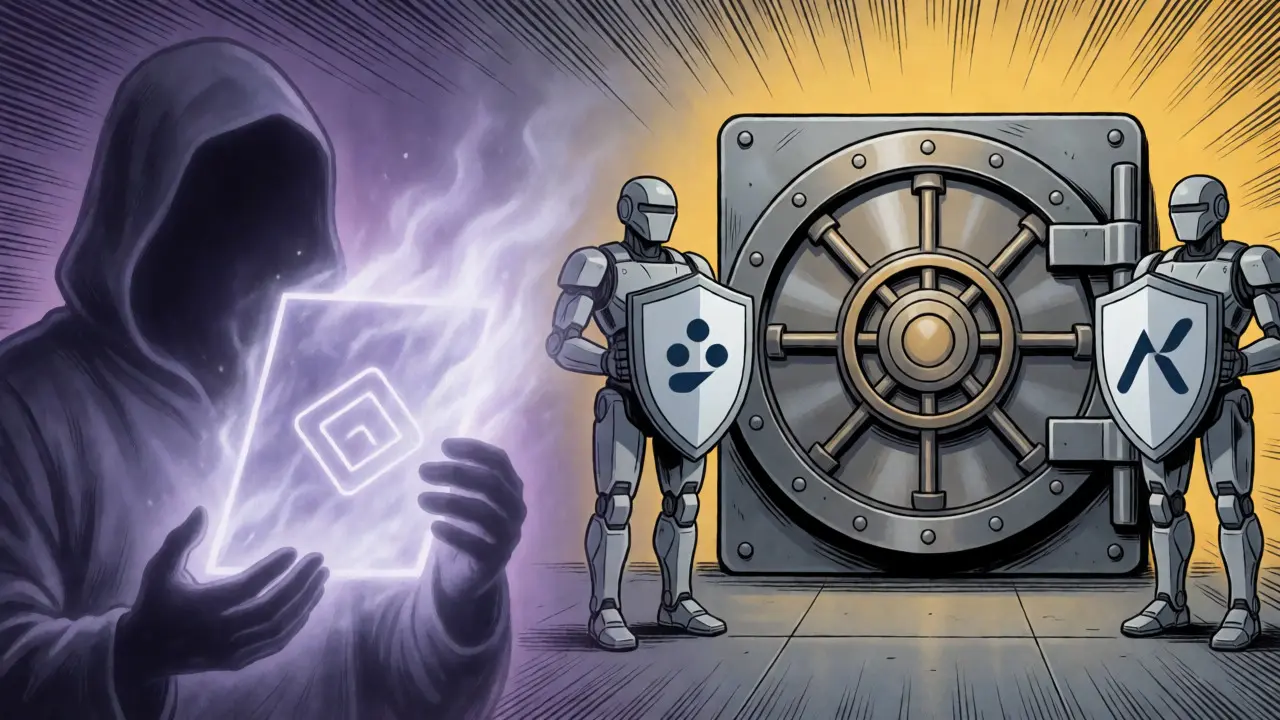
Trust is everything in DeFi. BlockSwap knows this, so they have subjected their code to rigorous scrutiny. The protocol underwent multiple audits and formal verifications by reputable firms including Halborn, Solidified, Runtime Verification, and Certora. These checks help ensure that smart contract vulnerabilities are minimized before user funds are exposed.
Despite these safeguards, standard risks remain. Smart contract bugs, market volatility, and regulatory changes are always present in crypto. The team mitigates these through transparency and user education. If you interact with StakeHouse, treat it like any other DeFi protocol: do your own research and never invest more than you can afford to lose.
OpenSaver and Future Utility
Beyond staking, BlockSwap offers OpenSaver, a Universal Basic Saving mechanism. This tool allows anyone to earn 7% USD yield from their native currency without navigating complex crypto hurdles. OpenSaver functions as a Fixed Income Instrument built on top of the Automated Asset Market Maker within StakeHouse.
This feature abstracts away the complexity of Proof of Stake assets, making them accessible via simple ERC20 tokens. It supports the rollup-centric future of Ethereum by enabling composable staked ETH and modular blockspace solutions. For users, this means simpler interfaces and better integration with traditional finance expectations.
How to Participate
If you want to get involved, here is what you should do:
- Join the CommunityNet: Engage with the StakeHouse CommunityNet to stay updated on potential rewards.
- Monitor Official Channels: Follow BlockSwap’s social media and blog for verified airdrop announcements.
- Understand SHB Tokens: Learn how StakeHouse Batch tokens work if you plan to mint batches.
- Check Token Liquidity: Be aware that CBSN circulating supply is low, which affects price stability.
Final Thoughts
BlockSwap Network offers a solid technical foundation for Ethereum staking. Their focus on security and usability is commendable. However, the "NFT airdrop" narrative seems overstated compared to the actual token-based incentives distributed so far. Treat any rumored drops with skepticism until you see a signed transaction or official press release. The real value lies in the infrastructure they are building, not just in free handouts.
Is there a confirmed StakeHouse NFT airdrop?
As of late 2026, there is no widely documented large-scale NFT-specific airdrop. Past campaigns focused on cBSN token distributions and small coin giveaways. Always check official sources for new announcements.
What is the current circulating supply of CBSN?
Data indicates a circulating supply of zero, despite a total supply of 500 million. This suggests most tokens are held internally or locked in mechanisms not yet fully public.
How secure is the StakeHouse protocol?
The protocol has been audited by Halborn, Solidified, Runtime Verification, and Certora. These formal verifications help mitigate smart contract risks, though DeFi always carries inherent volatility and regulatory risks.
Can I trade StakeHouse Batch (SHB) tokens?
Currently, SHB tokens are not listed on major exchanges tracked by CoinGecko. They are used internally for minting batches within the CommunityNet. Trading availability may change as the project matures.
What is the goal of BlockSwap Network?
The primary goal is to democratize Ethereum staking by providing stable yields and liquid staking solutions. They aim to onboard everyday users to Proof of Stake through simplified, trustless infrastructure.