SparkSwap Crypto Exchange Review: Which One Are You Actually Using?
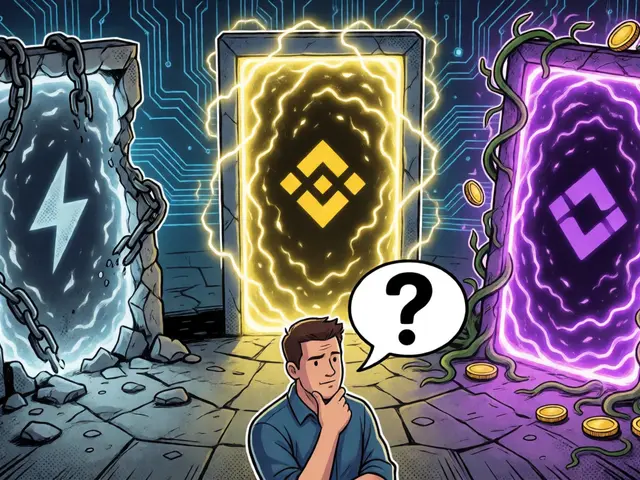
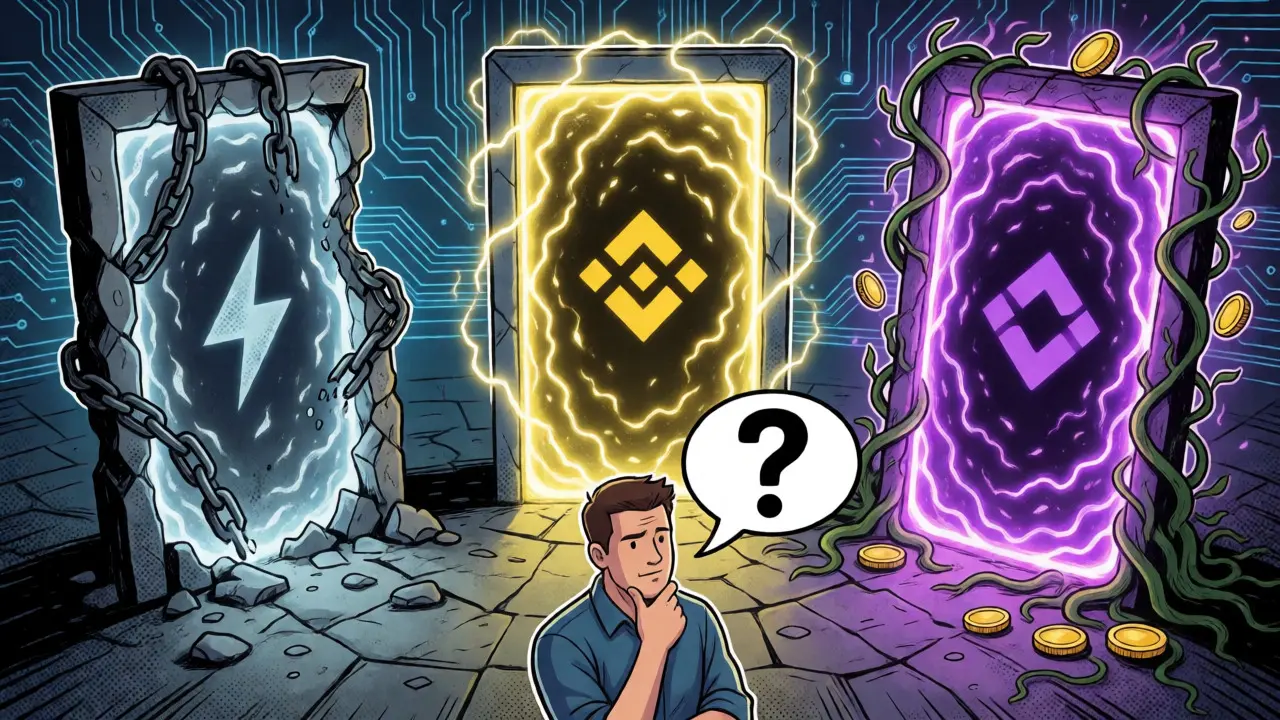
Here is the frustrating truth about SparkSwap: there isn’t just one. In fact, if you search for it today, you are likely looking at three completely different projects that share a name but have nothing else in common. One is dead. One is barely alive on the Binance Smart Chain. And one is trying to carve out a niche on the high-risk PulseChain network. Confused? You should be. This naming collision has tripped up countless traders who thought they were depositing funds into a secure exchange, only to find themselves locked in a low-liquidity protocol or, worse, dealing with a platform that shut down months ago.
This article cuts through the noise. We aren’t here to hype a token. We are here to tell you exactly which SparkSwap you are looking at, whether your money is safe, and if the promised yields are worth the headache. If you are holding SRK tokens, considering a farm on PulseChain, or still wondering why your old Sparkswap account vanished, keep reading. The devil is in the details, and in crypto, those details usually cost you gas fees.
The Three Faces of SparkSwap
To understand what you are dealing with, you need to separate the ghosts from the current players. Most people searching for "SparkSwap" are stumbling upon one of these three entities:
- The Defunct Hybrid Exchange (Sparkswap): Founded by Trey Griffith and backed by Polychain Capital, this was an ambitious attempt to mix Bitcoin Lightning Network speed with fiat on-ramps. It shut down in March 2023.
- The Binance Smart Chain DEX (SparkSwap BSC): Developed by SparkPoint Technologies, this is an automated market maker (AMM) primarily serving the SparkPoint ecosystem (SRK, SFUEL).
- The PulseChain Yield Protocol (SparkSwap PulseChain): A newer entrant focused on yield farming and staking on the PulseChain network, often associated with the EMP Money team.
Mixing these up is easy because the branding looks similar, but the underlying technology and risk profiles are worlds apart. Let’s break them down individually.
1. The Ghost: Why the Original Sparkswap Died
If you found an old screenshot or a blog post from 2021 talking about a seamless Bitcoin-to-fiat swap, you are likely reading about the original Sparkswap. It wasn’t just another decentralized exchange; it tried to solve the biggest pain point in crypto: getting cash out without selling your soul to a centralized bank. By leveraging the Lightning Network, it offered instant transactions while keeping users in self-custody.
So, why did it fail? Founder Trey Griffith said it plainly in March 2023: the audience was too small. Building a business that interacts with traditional banking rails is expensive. When you combine that with the niche nature of self-custody Lightning swaps, the unit economics just didn’t work. They announced their shutdown on March 24, 2023, terminating trading services and shutting down Lightning nodes shortly after.
Key Takeaway: If you are looking at a site claiming to be the original Sparkswap with fiat integration, be skeptical. The service is gone. AnchorUSD deposits remained secure, but the trading engine stopped. Don’t send new funds to a legacy interface expecting active support.
2. The Zombie: SparkSwap on Binance Smart Chain
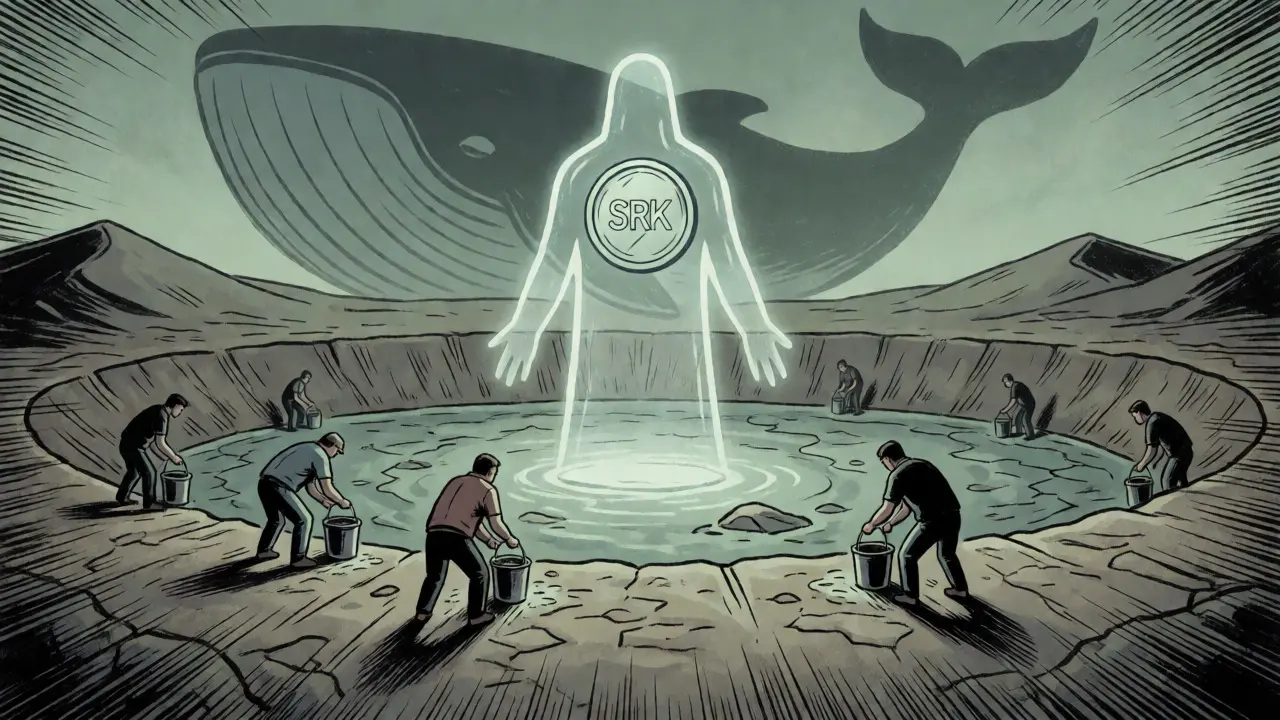
Next up is SparkSwap (BSC), launched in October 2021 by SparkPoint Technologies Inc., based in the Philippines. This is a standard Automated Market Maker (AMM), meaning it uses liquidity pools rather than order books to facilitate trades. It supports BEP-20 tokens like SRK (SparkPoint’s native token) and SFUEL.
Here is the problem: CoinMarketCap lists it as an "Untracked Listing." That means there is no reliable volume data. In the DeFi world, no volume equals no liquidity. Without deep liquidity, slippage becomes a killer. If you try to swap $500 worth of BNB for SRK, you might lose 10-15% of your value just to price impact because the pool is so shallow.
| Feature | SparkSwap (BSC) | PancakeSwap | Uniswap V3 |
|---|---|---|---|
| Blockchain | Binance Smart Chain | Binance Smart Chain | Ethereum/Polygons |
| Volume Data | Untracked/Low | High ($100M+ daily) | Very High |
| Primary Use Case | SRK/SFUEL Swaps | General Trading | Deep Liquidity Trading |
| Risk Level | High (Low Liquidity) | Medium | Medium |
User reviews reflect this struggle. Traders report frequent transaction failures and unresponsive interfaces. One user noted trying three times to swap 0.5 BNB before succeeding, with massive slippage on the final attempt. Unless you specifically need to trade SRK or SFUEL and cannot use PancakeSwap, this platform offers little reason to exist in 2026.
3. The Wild West: SparkSwap on PulseChain
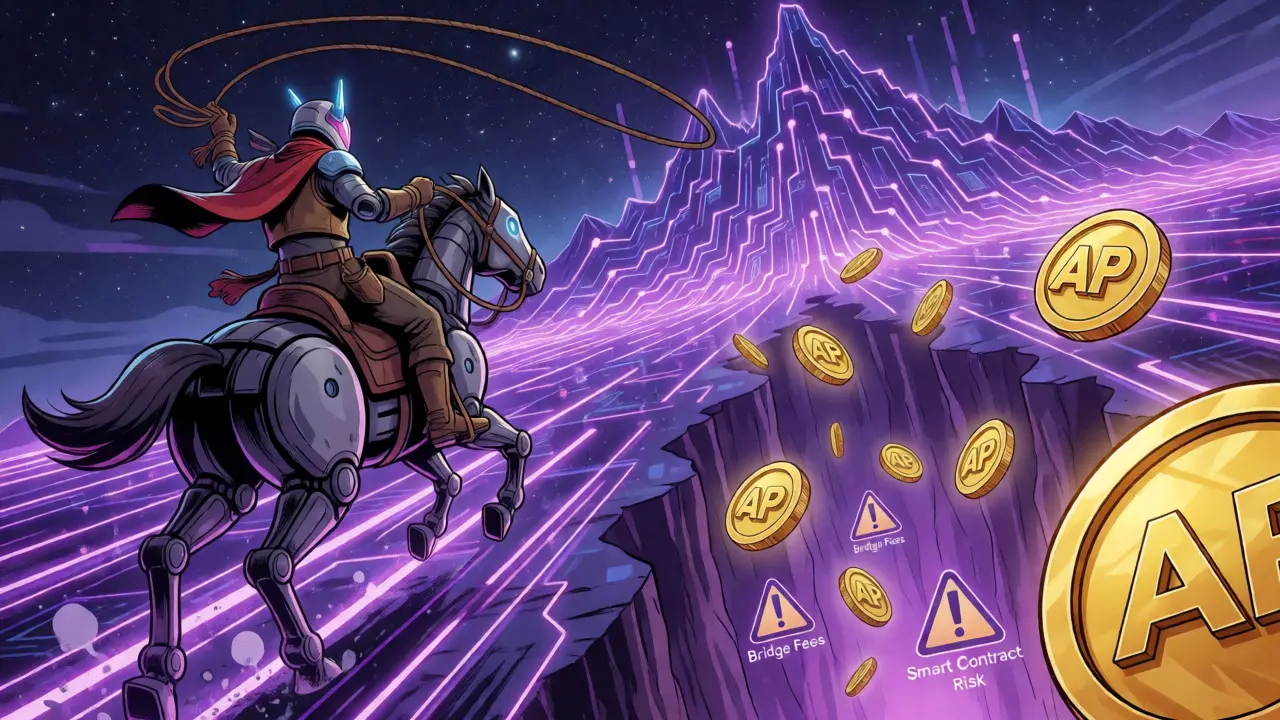
This is where things get interesting-and risky. SparkSwap on PulseChain is not really an "exchange" in the traditional sense; it is a yield farming protocol. It operates on PulseChain, a fork of Ethereum created by Richard Heart (the guy behind HEX). The goal here is simple: lock up stablecoins or volatile assets to earn high APRs.
Why do people use it? The numbers look juicy. Technical analyses from mid-2023 showed 53% APR on stablecoin-to-stablecoin farms. Since both sides of the pair are stable (like USDC/DAI), you avoid impermanent loss, which is the silent killer of most DeFi yields. However, you pay for this convenience with complexity and risk.
To use it, you must bridge assets from Ethereum to PulseChain. This adds steps, time (15-45 minutes), and fees ($5-$15 per transfer). Once you are there, the interface is reportedly intuitive, but the ecosystem is tiny. PulseChain has roughly 1/100th of Ethereum’s Total Value Locked (TVL). If the main chain suffers a bug or a regulatory hit, your funds are stuck in a less tested environment.
Pro Tip: Watch out for withdrawal fees. Some users reported a 2% fee on rewards, which eats significantly into profits if you are compounding frequently. Always check the smart contract terms before locking up.
Liquidity and Slippage: The Hidden Costs
In decentralized finance, liquidity is king. If a pool is empty, you can’t trade, or you trade at terrible prices. The defunct Sparkswap died partly because it couldn’t attract enough liquidity providers. The same logic applies to the surviving versions.
For SparkSwap (BSC), the lack of tracked volume suggests that big whales aren’t providing liquidity. This means retail traders are left picking up the scraps. If you are trading small amounts (under $100), you might be okay. But for anything substantial, the spread will hurt you.
For SparkSwap (PulseChain), the liquidity is concentrated in specific farms. While the APR looks high, the depth of the pool matters. If everyone decides to exit their positions simultaneously, the price impact could crash your exit value. Unlike major exchanges where you can sell millions of dollars of ETH instantly, niche protocols can freeze during volatility.
User Experience and Support
Let’s talk about the human element. Crypto is hard enough without bad support.
- Original Sparkswap: Reviews averaged 3.2/5. Users liked the Lightning integration but hated the limited token selection and slow support.
- SparkSwap (BSC): Ratings hover around 2.8/5. Complaints focus on technical glitches and failed transactions. It feels like a side project that hasn’t been updated recently.
- SparkSwap (PulseChain): Sentiment is more positive among its niche community, with active discussions on Reddit. Users appreciate the high yields but acknowledge the steep learning curve for bridging assets.
If you run into trouble, don’t expect a live chat agent. These are decentralized protocols. Your best bet is checking Discord channels or GitHub repositories for known issues. For the BSC version, development activity has slowed significantly, suggesting that bugs may linger longer.
Is SparkSwap Safe? Risk Assessment
Safety in DeFi isn’t binary; it’s a spectrum. Here is how we rate the risk for each version:
| Platform | Smart Contract Risk | Liquidity Risk | Regulatory Risk | Overall Verdict |
|---|---|---|---|---|
| Original Sparkswap | N/A (Shut Down) | N/A | High (Fiat Rails) | Defunct |
| SparkSwap (BSC) | Medium (Standard AMM) | High (Low Volume) | Low (DeFi Gray Area) | Use with Caution |
| SparkSwap (PulseChain) | High (Newer Codebase) | Medium (Niche Ecosystem) | Medium (Emerging Chain) | High Risk / High Reward |
The PulseChain variant carries the highest technical risk simply because the chain itself is younger and less battle-tested than Ethereum or BSC. However, it also offers the highest potential return for those willing to manage the complexity. The BSC version is safer technically but economically stagnant due to low usage.
Who Should Use SparkSwap?
You shouldn’t use SparkSwap if you are a beginner looking for a simple place to buy Bitcoin. Go to Coinbase, Kraken, or Binance. You should consider SparkSwap if:
- You hold SRK or SFUEL tokens: The BSC version is one of the few places to swap these directly.
- You are a yield farmer on PulseChain: If you are already committed to the PulseChain ecosystem, SparkSwap’s stablecoin farms offer competitive returns with manageable impermanent loss.
- You enjoy experimental DeFi: If you like testing new protocols and don’t mind bridging assets, the PulseChain version provides a unique opportunity to diversify away from Ethereum mainnet congestion.
Final Thoughts: Proceed with Eyes Open
SparkSwap is a cautionary tale about branding in crypto. The name alone doesn’t tell you what you are buying. The original platform proved that good tech doesn’t guarantee survival if the market fit is wrong. The BSC version shows that launching a DEX is easy, but gaining traction is hard. The PulseChain version highlights the allure of high yields in emerging ecosystems.
Before you connect your wallet, ask yourself: Do I actually need this specific platform? Or am I just following a shiny object? If you are chasing the 53% APR on PulseChain, make sure you understand the bridge mechanics and withdrawal fees. If you are swapping SRK on BSC, check the slippage tolerance carefully. In DeFi, the fine print is where your profit lives-or dies.
Is SparkSwap a centralized or decentralized exchange?
All current iterations of SparkSwap are decentralized exchanges (DEXs) or protocols. The original Sparkswap attempted a hybrid model with fiat on-ramps but operated on-chain for swaps. The BSC and PulseChain versions are fully decentralized, requiring users to connect wallets like MetaMask or TrustWallet to interact with smart contracts.
What happened to the original Sparkswap?
The original Sparkswap shut down in March 2023. Founder Trey Griffith cited inadequate user numbers and high operational costs associated with maintaining fiat banking integrations and Lightning Network nodes. Trading services ceased on March 24, 2023, and the platform is no longer active.
Can I buy Bitcoin on SparkSwap?
Not directly on the current BSC or PulseChain versions. These platforms primarily handle ERC-20/BEP-20 style tokens. To get Bitcoin exposure, you would typically need to wrap BTC (e.g., WBTC) and then swap it, provided the token is listed on the specific chain. The original Sparkswap did support Bitcoin via Lightning, but that service is discontinued.
What are the fees on SparkSwap PulseChain?
Fees vary by action. Bridging assets from Ethereum to PulseChain typically costs $5-$15 depending on network congestion. On-chain transactions on PulseChain are very cheap (fractions of a cent). However, some yield farms on SparkSwap PulseChain have imposed withdrawal fees on rewards, such as 2%, so always check the specific farm’s documentation before staking.
Is SparkSwap (BSC) trustworthy?
It is developed by SparkPoint Technologies, a legitimate company, but its trustworthiness is hampered by low liquidity and poor user experience reports. There have been no major hacks reported, but the lack of verifiable trading volume makes it difficult to assess real-world adoption. Treat it as a high-risk tool for specific token swaps rather than a primary trading hub.