

Central Bank of Egypt Crypto Prohibition and Enforcement in 2026
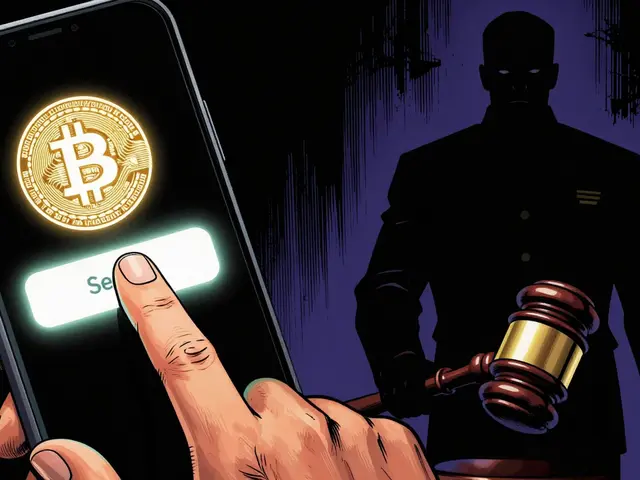
Since 2020, the Central Bank of Egypt has enforced one of the strictest cryptocurrency bans in the Middle East. Under Law No. 194/2020, it’s illegal to issue, trade, or promote any cryptocurrency in Egypt without explicit approval from the bank. That approval doesn’t exist. Not for Bitcoin. Not for Ethereum. Not for any altcoin. The law leaves no room for loopholes-it’s a complete shutdown of crypto activity within the country’s financial system.
The ban isn’t just a policy tweak. It’s built into Egypt’s entire banking framework. Any bank, payment processor, or financial institution caught facilitating crypto transactions faces immediate penalties. That includes freezing accounts, revoking licenses, and criminal charges. The law doesn’t just target exchanges-it goes after anyone who even tries to explain how crypto works to a friend. Promotion is banned. Advertising is banned. Even hosting a crypto-related YouTube channel from within Egypt can trigger scrutiny.
Why such a hard line? The Central Bank of Egypt says it’s about protecting the economy. They worry that unregulated digital assets could drain foreign currency reserves, undermine the Egyptian pound, and destabilize the banking system. With inflation hovering above 30% and currency controls already tight, the bank sees crypto as an uncontrollable risk. Every dollar sent into Bitcoin or Ethereum is a dollar that can’t be tracked, taxed, or controlled by the state. That’s unacceptable in a country where monetary policy is already under pressure.
But there’s another layer: religion. In 2018, Egypt’s Grand Mufti issued a fatwa declaring cryptocurrencies haram-forbidden under Islamic law. That wasn’t just a religious opinion. It became part of the government’s messaging. Mosques, TV channels, and even public schools began warning people about the dangers of crypto. This dual pressure-legal and religious-made it harder for Egyptians to even consider crypto as a legitimate option. It wasn’t just illegal. It was morally wrong.
So, is the ban working? Not entirely. Despite the law, crypto trading still happens. Peer-to-peer platforms like LocalBitcoins and Paxful see steady traffic from Egyptian users. Wallets with Egyptian IP addresses still move millions in crypto each month. The problem? Enforcement is patchy. The Central Bank of Egypt doesn’t have the tools to track blockchain transactions in real time. It can shut down banks that facilitate crypto, but it can’t stop someone from sending Bitcoin through a mobile app while sitting in a Cairo coffee shop.
There are no public records of major prosecutions. No one has been jailed for buying Bitcoin. No exchange has been raided. The bank relies on warnings, not raids. Its public statements repeat the same message: "Crypto is risky. Don’t invest. Don’t trade. Don’t promote." It’s a deterrence strategy, not a crackdown. That’s why many Egyptians still trade-because the consequences are vague, not terrifying.
What’s interesting is what the government hasn’t banned: blockchain. While crypto is dead, blockchain tech is alive and well. Egypt’s customs agency uses blockchain to track cargo at ports. It’s called the Advanced Cargo Information (ACI) system. It cuts down fraud, speeds up clearance, and saves millions in lost revenue. The government also runs blockchain pilots for land registry and supply chain tracking. Why? Because blockchain doesn’t threaten the pound. It makes bureaucracy more efficient.
This split approach tells you everything. The Central Bank of Egypt isn’t anti-technology. It’s anti-speculation. It’s not afraid of distributed ledgers-it’s terrified of decentralized money. That’s why officials are quietly exploring a Central Bank Digital Currency (CBDC). A digital Egyptian pound, issued and controlled by the state. Not Bitcoin. Not Ethereum. But a digital version of the pound itself. That’s the future they want: control without chaos.
Some startups are trying to bridge the gap. A few fintech firms in Alexandria and Cairo are building blockchain-based remittance platforms that don’t touch crypto. They use smart contracts to send money from the UAE to Egypt, but only through approved channels and in Egyptian pounds. These companies operate in legal gray zones-technically not crypto, but using the same tech. The CBE hasn’t shut them down yet. Why? Because they’re solving real problems: reducing fees, speeding up transfers, and cutting out middlemen.
For the average Egyptian, the message is simple: don’t touch crypto. The risks are real. The rewards are uncertain. The bank doesn’t care if you think Bitcoin will hit $100,000. It cares that you might lose your life savings. And if you do? There’s no recourse. No insurance. No protection. No law to help you.
Still, the underground market keeps growing. WhatsApp groups trade crypto tips. Telegram channels share wallet addresses. Young Egyptians, tired of inflation and low wages, see crypto as their only escape. The government knows this. That’s why they keep warning. They know they can’t stop it all. But they can make it dangerous enough that most people walk away.
As of 2026, the ban holds. No changes. No softening. The Central Bank of Egypt still says crypto is a threat. And for now, that’s enough.
How the Ban Works in Practice
If you’re in Egypt and you try to buy Bitcoin through an app like Binance or Coinbase, you’ll hit a wall. These platforms block Egyptian IP addresses. Even if you use a VPN, your bank account will likely freeze if you transfer money to a crypto exchange. Egyptian banks are required to flag any transaction going to a known crypto address. If you send 5,000 EGP to Binance, your account gets flagged. If you do it twice, they freeze it. No warning. No appeal.
Payment processors like Fawry and Vodafone Cash also block crypto-related payments. You can’t pay for a crypto purchase with your mobile wallet. You can’t use your debit card on a crypto site. The system is built to prevent it.
The only way left is peer-to-peer. People meet in person. They trade cash for Bitcoin. They use WhatsApp to coordinate. One person sends cash. The other sends a wallet address. It’s risky. It’s slow. But it works. And it’s growing.
What Happens If You Get Caught?
There’s no public record of someone being arrested for owning crypto. But there are reports of people losing access to their bank accounts. One man in Giza had his savings frozen after transferring 100,000 EGP to a crypto exchange. He spent six months fighting the bank. He never got his money back. He also got a warning letter from the CBE.
Businesses that accept crypto as payment face heavier consequences. A small shop in Luxor that started taking Bitcoin for goods was shut down. The owner was fined 200,000 EGP and banned from opening another business for five years. The bank didn’t need proof of large-scale trading. Just one transaction was enough.
So while there’s no jail time, the cost of breaking the law is high. And it’s unpredictable.

Blockchain vs. Crypto: The Government’s Double Standard
The Central Bank of Egypt isn’t fighting technology. It’s fighting loss of control. That’s why blockchain is welcome in customs, logistics, and public records. It’s why the government partnered with IBM to build a blockchain-based land registry pilot in Aswan. It’s why Egypt is part of the World Bank’s digital ID initiative.
Blockchain, in their view, is a tool. Crypto is a threat. One can be monitored. The other can’t.
This isn’t hypocrisy. It’s strategy. The government wants the benefits of innovation without the chaos of decentralization. And for now, that’s working.

What’s Next for Egypt?
Don’t expect the ban to lift anytime soon. The CBE has no plans to change Law No. 194/2020. But you’ll see more blockchain projects. More CBDC research. More controlled experiments.
One thing’s clear: Egypt isn’t rejecting digital finance. It’s demanding it be under its control. The future isn’t Bitcoin. It’s a digital pound-with a government lock on it.
Is cryptocurrency completely illegal in Egypt?
Yes. Under Law No. 194/2020, all forms of cryptocurrency trading, issuance, and promotion are banned without explicit approval from the Central Bank of Egypt. That approval is not granted for any cryptocurrency. The ban applies to individuals and businesses alike.
Can I use a VPN to buy Bitcoin in Egypt?
Technically, yes-you can bypass geo-blocks with a VPN. But if your bank detects transactions linked to crypto exchanges, even through a VPN, they can freeze your account. The bank doesn’t need to know you used a VPN. It only needs to see money leaving for a crypto address. The risk isn’t the VPN-it’s the bank’s monitoring system.
Are there any legal ways to invest in crypto in Egypt?
No. There are no licensed crypto exchanges, no legal wallets, and no approved trading platforms in Egypt. Any service claiming to offer legal crypto access is either misleading or operating illegally. The only legal option is to wait for a government-backed digital currency.
Why does Egypt allow blockchain but ban crypto?
Blockchain is a tool for efficiency-used in customs, land records, and supply chains. It’s centralized, traceable, and controlled. Crypto is decentralized, anonymous, and outside government oversight. Egypt wants the benefits of the technology without losing control over its money supply.
What happens if I lose money on crypto in Egypt?
Nothing. There is no legal protection, no insurance, and no recourse. The Central Bank of Egypt does not recognize crypto as a financial asset. If you’re scammed or your wallet is hacked, you’re on your own. The law won’t help you recover your funds.








Lmao so Egypt’s banning bitcoin but using blockchain to track cargo? Classic. They want control, not innovation. The hypocrisy is thicker than their inflation rate.
i think this is so messed up. people are just trying to survive inflation and the bank is like nope you cant use tech that doesnt have your name on it. why is it always about control?
The CBE’s strategy is actually brilliant from a macroeconomic standpoint. They’re not anti-tech-they’re anti-decentralization. By permitting blockchain for logistics and piloting a CBDC, they’re future-proofing infrastructure while neutering speculative volatility. It’s not repression-it’s institutional preservation.
They ban crypto but let blockchain? So… it’s not the tech. It’s the lack of a middleman. That’s the real issue.
i feel for egyptians. inflation is brutal and crypto is one of the few ways out. but the bank’s fear makes sense too. if everyone pulls their money out, the pound collapses. it’s a lose-lose. maybe they need a cbdc sooner than later.
so… people are risking their bank accounts to send cash for btc in a cairo coffee shop? that’s either the most romantic or the most tragic thing i’ve heard all week.
this is wild. they’re using blockchain for customs like it’s a superhero tool but act like crypto is the devil? 🤦♂️ i mean… if you can track cargo, why can’t you track wallets? smh
Ah yes, the government that bans Bitcoin but happily uses blockchain to track your grandmother’s wheat shipment. Truly, the future is here-controlled, sanitized, and utterly devoid of freedom. How… efficient.
The fact that you can get fined 200k EGP for accepting one Bitcoin payment says everything. This isn’t about economics. It’s about power.
I find it deeply concerning that a nation would criminalize financial autonomy under the guise of economic stability. While I understand the fear of capital flight, the moral weight of forbidding citizens from seeking alternative means of preservation-especially amid 30% inflation-is a violation of human dignity. This is not protection. It is paternalism wrapped in legal code.
You people think this is about crypto? No. It’s about the state’s monopoly on trust. If people start trusting blockchain instead of the central bank, the entire system crumbles. They’re not afraid of Bitcoin. They’re afraid of losing control over perception.
The real story here isn’t the ban-it’s the quiet innovation. Fintech startups in Alexandria using smart contracts for remittances without touching crypto? That’s genius. They’re building bridges under the radar. The CBE isn’t stopping them because they’re not threatening the pound. They’re strengthening it. This isn’t resistance. It’s evolution.
i just want to say that the people trading cash for btc in cafés are the real heroes. no government telling them what to do. just human connection and trust. we need more of that.
I just cried reading this. Imagine being told you can’t even talk about crypto without being labeled a criminal. And then they use blockchain to track your groceries. I don’t know what’s worse: the ban or the irony.