
Energiswap Review 2026: Is This DeFi Exchange Worth Your Crypto?
Most people know the big names in crypto. You’ve heard of Binance. You probably use Coinbase or Kraken. But what about Energiswap, a platform that’s been quietly operating since 2018? If you’re digging into niche decentralized finance (DeFi) tools, especially those tied to specific ecosystems like Energi or Polkadot-based chains, Energiswap might have popped up on your radar. The question isn’t just “what is it?” but rather, “is it actually safe and useful for my portfolio in 2026?”
This review cuts through the noise. We’ll look at how Energiswap works, where it fits in the crowded exchange market, and whether its unique multi-chain focus offers real value-or if it’s just another forgotten tool from the early DeFi boom.
What Exactly Is Energiswap?
To understand Energiswap, you first need to understand the landscape it operates in. It is not a centralized exchange like Coinbase, where a company holds your funds and manages the ledger. Instead, Energiswap functions as a hybrid solution with strong decentralized elements. Founded in 2018 and headquartered in the British Virgin Islands, it positions itself as a bridge between different blockchain networks.
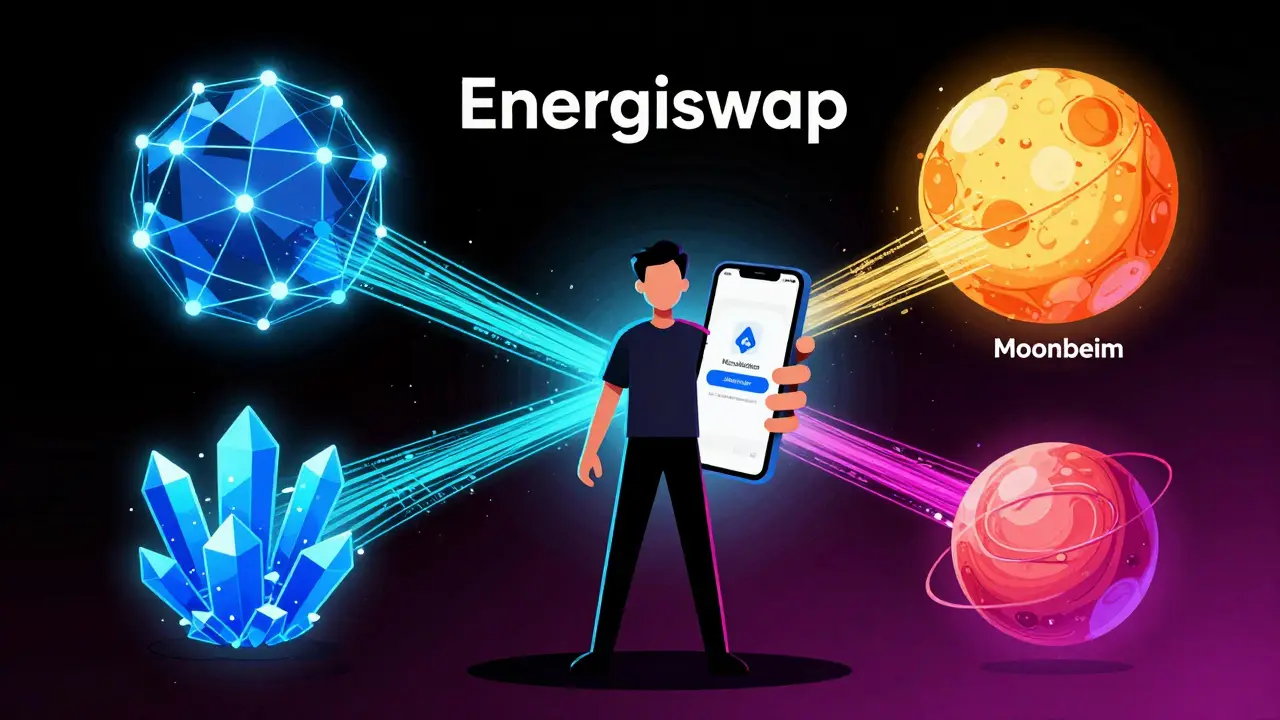
The core idea is simple: trade digital assets across multiple blockchains without needing separate wallets for each one. Its primary strength lies in its integration with the Energi blockchain, alongside support for Ethereum, Moonbeam, and Moonriver. For users deeply invested in these specific ecosystems, Energiswap acts as a specialized hub. For everyone else, it’s a bit more obscure.
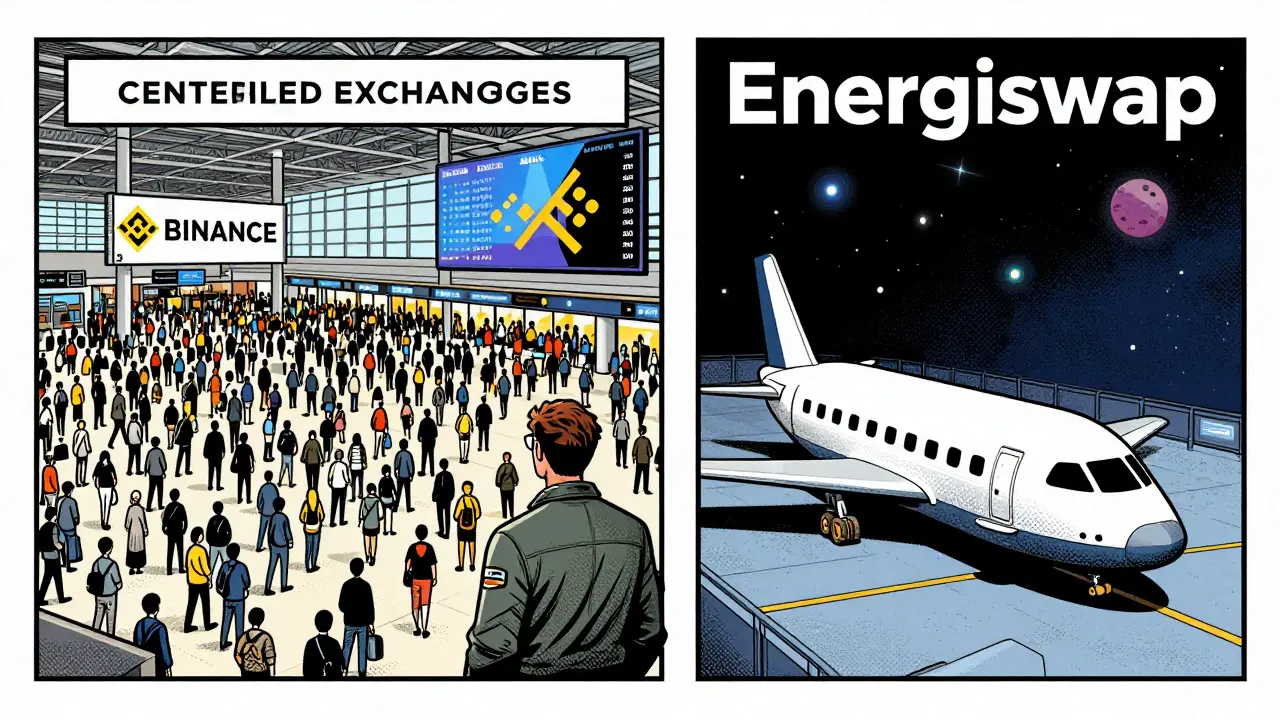
Think of it like this: Binance is a massive international airport connecting every major city. Energiswap is a smaller regional airport that specializes in flights to three specific destinations. If you’re going to those destinations, it’s convenient. If you’re trying to get anywhere else, you might be out of luck.
How Energiswap Works: Multi-Chain Integration
The technical backbone of Energiswap is its ability to handle cross-chain transactions. This means it doesn’t just swap tokens within a single network; it moves value between entirely different ledgers. Here is how that process typically unfolds for a user:
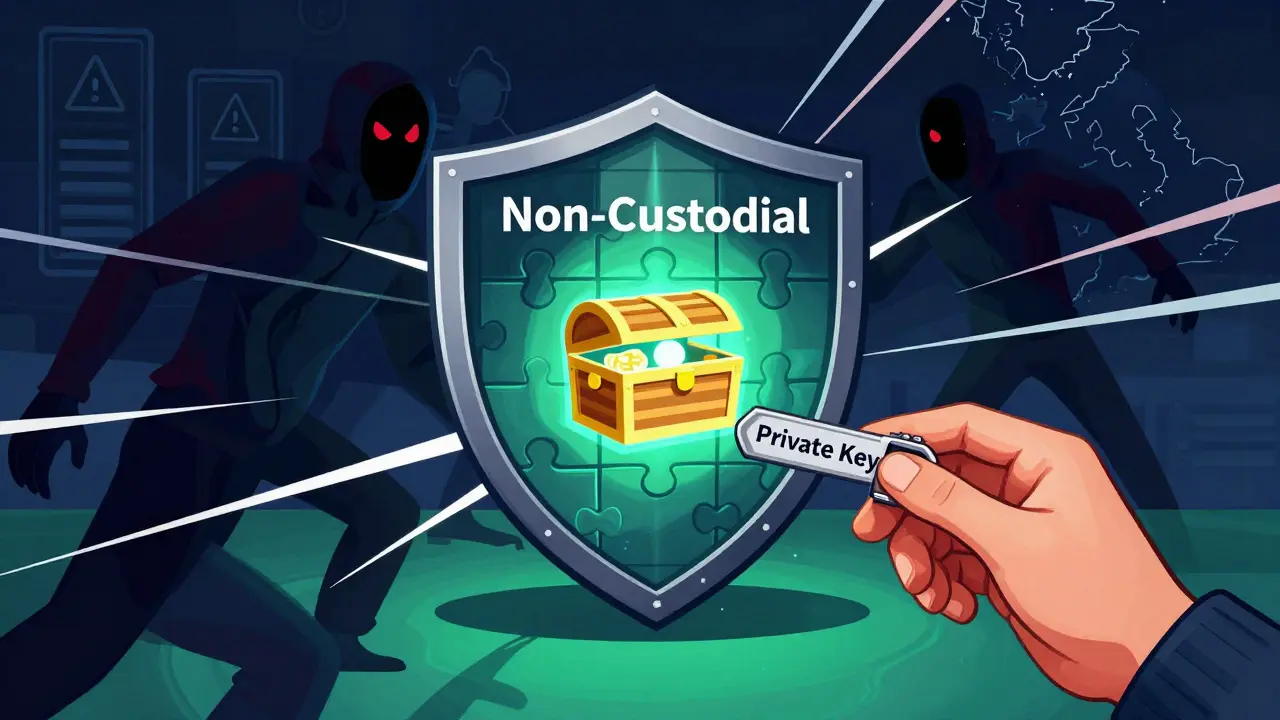
- Connect Your Wallet: Unlike traditional exchanges where you deposit funds into an account, Energiswap integrates directly with non-custodial wallets like MetaMask. You retain control of your private keys at all times.
- Select Networks: You choose the source chain (e.g., Ethereum) and the destination chain (e.g., Moonbeam).
- Execute the Swap: The platform uses liquidity aggregators to find the best rate. Energiswap supports over 500 tradable assets by leveraging integrations with protocols like 1inch, which scans multiple decentralized exchanges to optimize your trade.
- Confirm Transaction: Because it involves multiple chains, you may need to sign several transactions. Speed varies by network. On Moonbeam and Moonriver, transactions often settle in 12-15 seconds with near-zero gas fees, making them highly efficient compared to Ethereum’s sometimes congested mainnet.
This multi-chain approach is both its greatest feature and its biggest complexity. For a beginner used to buying Bitcoin on a simple app, this can feel overwhelming. For an advanced trader managing assets across Polkadot and Ethereum ecosystems, it saves time and reduces the friction of moving funds manually via bridges.
Energiswap vs. The Competition: Where Does It Fit?
You might wonder why you wouldn’t just use a giant like Binance or a popular DEX like Uniswap. To answer that, we need to compare Energiswap against its peers. Let’s look at how it stacks up against similar niche platforms and industry leaders.
| Feature | Energiswap | Binance (CEX) | Uniswap (DEX) | Lattice Exchange |
|---|---|---|---|---|
| Type | Hybrid / DeFi-focused | Centralized (CEX) | Decentralized (DEX) | Web-based DeFi |
| Primary Chains | Ethereum, Moonbeam, Moonriver, Energi | All Major Chains | Ethereum & L2s | Similar to Energiswap |
| Liquidity Depth | Moderate (via 1inch) | Very High | High | Moderate |
| User Base Size | Niche / Low | Massive | Large | Niche / Low |
| Platform Access | Web, Mobile, Desktop | Web, Mobile | Web | Web Only |
As you can see, Energiswap doesn’t compete on volume or breadth. It competes on specificity. Platforms like Lattice Exchange offer nearly identical integrations (supporting 1inch, MetaMask, Moonbeam, etc.), but Energiswap distinguishes itself by offering native apps for iPhone, Android, Windows, Mac, and Linux. This multi-platform availability is rare for a niche DeFi tool.
However, when compared to giants like Binance, the lack of liquidity is a significant drawback. If you try to swap a large amount of a less common token, you might experience higher slippage (the difference between expected price and executed price) because there aren’t enough buyers and sellers in the pool. For small-to-medium trades, though, the efficiency remains competitive.
Security and Trust: What You Need to Know
In crypto, security isn’t just a feature; it’s the product. Since Energiswap is a decentralized/hybrid platform, it does not hold your funds. This is a double-edged sword. On one hand, you cannot lose money due to a hack of the exchange’s central servers (like what happened to Mt. Gox or FTX). On the other hand, you are responsible for securing your own wallet.
Energiswap relies on standard web3 security practices. By integrating with MetaMask, it inherits the security model of browser extensions and mobile wallet apps. However, the platform itself operates under the jurisdiction of the British Virgin Islands (BVI). While the BVI has established the Digital Asset Business Act (2022), it lacks the comprehensive regulatory oversight found in the European Union’s MiCA framework or the United States’ SEC regulations.
This means there is no federal insurance on your assets. If you make a mistake-sending tokens to the wrong address, approving a malicious smart contract interaction-the funds are gone forever. Always double-check transaction details before signing. Additionally, while Energiswap has been active since 2018, it does not appear to have published independent smart contract audits from firms like CertiK or OpenZeppelin in recent public records. Proceed with caution and never invest more than you can afford to lose.
Fees, Taxes, and Hidden Costs
Let’s talk about the money you keep. Energiswap offers a free version and free trials, which sounds great until you look closer at the economics of DeFi.
- Network Gas Fees: Even if Energiswap charges zero commission, you still pay the blockchain. Swapping on Ethereum can cost $5-$50+ depending on congestion. Swapping on Moonbeam or Moonriver costs fractions of a cent. Energiswap’s support for these low-fee chains is a genuine cost-saving benefit.
- Slippage Tolerance: In thin liquidity pools, you might accept a wider slippage tolerance, effectively paying more for the asset to ensure the trade goes through.
- Tax Complexity: This is the hidden killer. According to tax guides from 2025, every swap on Energiswap is a taxable event. Because it operates across multiple chains, tracking your cost basis becomes incredibly difficult. Tools like CoinLedger and Token Terminal integrate with Energiswap to help automate this, but you must actively connect them. Ignoring this could lead to significant penalties during tax season.
If you trade frequently, factor in the time spent reconciling these cross-chain transactions. It’s not just about the fee percentage; it’s about the administrative burden.
User Experience and Support
Does it work smoothly? From a technical standpoint, yes. The interface is designed to be user-friendly, even for retail traders who aren’t developers. The availability of desktop clients for Windows, Mac, and Linux, plus mobile apps for iOS and Android, makes it accessible wherever you are.
However, the community aspect is weak. Major exchanges thrive on vibrant Discord servers, Reddit communities, and Twitter discussions. Energiswap has minimal presence here. Slashdot comparisons note “0 Ratings” for user reviews, suggesting either very low volume or a lack of engagement features. If you run into a problem, you rely on their 24/7 live representatives and documentation. While helpful, it’s not the same as having thousands of peers troubleshooting issues alongside you.
For beginners, the learning curve is steep. You need to understand wallet management, seed phrases, and cross-chain bridging concepts. Energiswap provides webinars and live online training, which is a positive step, but you won’t find the hand-holding typical of Coinbase or Robinhood.
Who Should Use Energiswap? (And Who Should Avoid It)
Not every tool is for every person. Based on its features, limitations, and market position, here is a clear breakdown:
Use Energiswap if:
- You are heavily invested in the Moonbeam or Moonriver ecosystems and want fast, cheap swaps.
- You hold assets on the Energi blockchain and need a dedicated gateway.
- You prefer self-custody and want to avoid depositing funds into centralized exchanges.
- You need desktop applications for your specific operating system (Linux/Chromebook support is rare).
Avoid Energiswap if:
- You are a complete beginner who doesn’t understand how wallets and gas fees work.
- You need to trade large volumes (high liquidity depth is required for institutional-sized trades).
- You want fiat currency onboarding (buying crypto directly with USD/EUR). Energiswap is primarily for crypto-to-crypto swaps.
- You prioritize mainstream recognition and extensive customer support resources.
Final Verdict: A Niche Tool for Specific Needs
Energiswap is not trying to be the next Binance. It shouldn’t be judged by those standards. As a specialized DeFi aggregator focusing on multi-chain interoperability-particularly within the Polkadot and Energi spheres-it delivers exactly what it promises. The transaction speeds on supported chains are excellent, and the multi-platform availability is a nice touch for power users.
However, its obscurity is a risk. Low visibility means lower liquidity and less community scrutiny. In the world of crypto, attention often correlates with security and reliability. Energiswap is functional, secure in terms of non-custodial design, and technically competent. But it requires a user who knows what they are doing.
If you fit the profile of a sophisticated trader navigating complex cross-chain environments, Energiswap is a worthy addition to your toolkit. If you are looking for a simple place to buy Bitcoin or Ethereum, stick to the major centralized exchanges. For everyone else, proceed with caution, start small, and always verify your connections.
Is Energiswap safe to use?
Energiswap is considered safe from a technical perspective because it is non-custodial, meaning you retain control of your private keys via wallets like MetaMask. However, safety also depends on user behavior. You must protect your seed phrase and verify all transaction details. Additionally, the platform operates in the British Virgin Islands, which has lighter regulations than the EU or US, so there is no government-backed insurance on your assets.
Can I buy cryptocurrency with USD on Energiswap?
No, Energiswap is primarily a crypto-to-crypto exchange. It does not offer direct fiat on-ramps like credit card purchases or bank transfers. You will need to acquire crypto on a centralized exchange (like Coinbase or Binance) first, transfer it to your wallet, and then use Energiswap to swap it for other tokens.
What blockchains does Energiswap support?
Energiswap focuses on Ethereum, Moonbeam, Moonriver, and the Energi blockchain. It leverages integrations with protocols like 1inch to access liquidity across these networks. It is particularly optimized for the Polkadot-based ecosystems of Moonbeam and Moonriver.
Are there fees for using Energiswap?
While Energiswap may not charge high platform commissions, you will pay network gas fees for every transaction. These fees vary significantly by blockchain: Ethereum fees can be high, while Moonbeam and Moonriver fees are typically negligible. Additionally, slippage fees may apply if you are trading tokens with low liquidity.
How do I track taxes for Energiswap transactions?
Because Energiswap generates taxable events for every swap across multiple chains, manual tracking is difficult. It is highly recommended to use integrated tax software like CoinLedger or Token Terminal, which can connect to your wallet and automatically categorize these transactions for reporting purposes.







yo this looks sketchy af
I have been using Energiswap for a while now and honestly, the cross-chain functionality is a game changer!! It saves so much time not having to use separate bridges for Moonbeam and Ethereum!!! The interface is clean and I love that it works on my Linux machine too!! Highly recommend giving it a try if you are into DeFi!!
One must appreciate the nuance of specialized tools rather than blindly following the herd to Binance. Energiswap serves its niche with precision. :)
people need to understand that safety is not just about hacks but also about user responsibility. if you lose your seed phrase then it is gone forever and no one can help you. the article mentions BVI jurisdiction which means less regulation so be careful out there.
just reading through this because i am curious about moonbeam swaps. seems okay for small amounts but yeah liquidity is thin.
Great point about the liquidity depth! I think many users overlook how slippage can eat into profits on smaller trades. It is always good to check the pool size before executing a large swap.
The lack of independent smart contract audits from reputable firms like CertiK is a significant red flag that should not be ignored. While the platform has been operational since 2018, the absence of recent public security verification suggests a potential complacency in their development practices. Users must conduct their own due diligence.
love the desktop app support 🖥️✨ makes it so easy to manage my portfolio without switching tabs all the time!
why do we even need another exchange when uniswap exists? probably just another cash grab for devs who want to live in bvi tax havens lol
the gas fees on ethereum can be brutal so using moonriver for swaps is a smart move. i saved like 50 bucks last week by routing through there instead of mainnet.
i feel like beginners might get overwhelmed by all the wallet connections and chain selections. it is important to take your time and read the docs before you start moving real money around.
typos aside i think the review is pretty accurate. just make sure you double check every transaction or u will regret it later.
The integration with 1inch provides a layer of price optimization that is beneficial for users seeking the best execution rates across fragmented liquidity pools. However, the reliance on third-party aggregators introduces additional points of failure that users should consider.
oh look another american trying to tell me what to do with my crypto. go back to binance loser.
hey everyone just remember that every swap is a taxable event so keep your records straight. coinledger is really helpful for automating this process so you dont have to manually track everything.
I completely agree with the assessment regarding the target audience!!! If you are deeply embedded in the Polkadot ecosystem then this tool is invaluable!!! The multi-platform availability is such a huge plus for productivity!!!
The structural integrity of the platform relies heavily on the underlying blockchain networks rather than any proprietary technology developed by Energiswap itself. This creates a dependency on external infrastructure that could potentially lead to systemic vulnerabilities during periods of high network congestion.
hi folks just wanted to say that the mobile app is super smooth on ios. great job team!
this is garbage. only real men use centralized exchanges where they can control everything. decentralized shit is for losers who cant handle responsibility.
it is nice to see a detailed breakdown of the pros and cons. i think it helps users make informed decisions based on their specific needs rather than just hype.