

How Bolivians Access Crypto Exchanges After the Ban Was Lifted
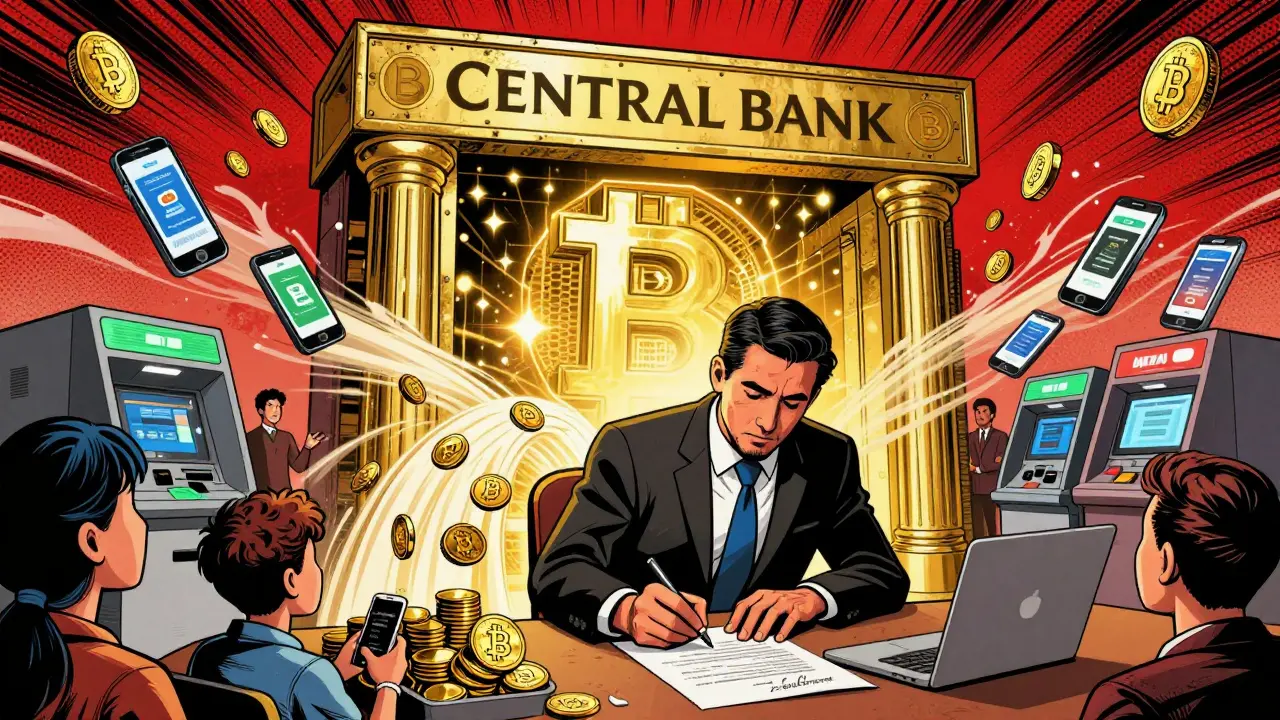
For over a decade, Bolivia was one of the few countries in the world that outright banned cryptocurrency. If you asked a Bolivian in 2020 whether they could use Bitcoin or Ethereum, the answer was a clear no. Banks couldn’t process crypto transactions. Exchanges were blocked. Even holding digital assets carried legal risk. But that changed in 2024 - and not with a whisper, but with a roar.
On June 26, 2024, Bolivia’s Central Bank (BCB) issued Resolution No. 82/2024, officially lifting the 10-year crypto ban. This wasn’t a half-measure or a loophole. It was a full policy reversal. The government didn’t just stop saying no - it started saying yes, and then quickly moved to build rules around it. Today, Bolivians don’t need to sneak around to use crypto. They’re doing it openly, legally, and at a rapid pace.
Why Did Bolivia Change Its Mind?
The reason wasn’t ideology. It wasn’t pressure from global crypto advocates. It was survival.
Bolivia’s economy had been slipping into a dollar crisis. The local currency, the boliviano, was losing value fast. Inflation was climbing. People couldn’t trust their own money. At the same time, remittances from abroad - money sent home by Bolivians working overseas - were drying up because traditional channels were too slow and expensive.
Enter cryptocurrency. Stablecoins like USDT and USDC, which are pegged to the U.S. dollar, became a lifeline. They didn’t fluctuate like the boliviano. They moved fast across borders. They didn’t need banks. For ordinary people, crypto wasn’t a gamble - it was a practical tool to protect their savings and receive money from family abroad.
By late 2024, the government realized that trying to stop crypto was like trying to stop water from flowing downhill. So they changed course. Instead of fighting it, they started building dams - rules to make it safe, transparent, and useful.
How Crypto Became Legal - Step by Step
The shift didn’t happen overnight. It unfolded in stages, each one making crypto more accessible and legitimate.
- June 2024: The ban was lifted. Owning, trading, and transferring crypto became legal.
- March 2025: The Central Bank of Bolivia began using USD-pegged stablecoins for international payments and remittances. This was huge - the government itself was using crypto as a financial tool.
- April 2025: Resolution No. 019/2025 officially recognized virtual assets and the companies that serve them (VASPs). This meant exchanges, wallets, and trading platforms could now operate legally if they registered.
- May 2025: Supreme Decree No. 5384 created the full legal framework. It defined what a virtual asset is, who can offer services, and what rules they must follow - including anti-money laundering checks and customer verification.
By the end of 2025, Bolivia had gone from being one of the strictest crypto bans in the world to having one of the most detailed regulatory systems in Latin America.

How Bolivians Access Crypto Exchanges Today
There’s no need to use VPNs or underground platforms anymore. Bolivians access crypto exchanges the same way people in other countries do - through apps and websites.
Popular global exchanges like Binance, Kraken, and Coinbase are fully accessible. Local platforms have also emerged, like BolivianCrypto a licensed local exchange launched in August 2025 that lets users buy stablecoins directly with boliviano bank transfers. These platforms are now regulated, meaning they must verify users’ identities and report suspicious activity.
Most people start with stablecoins. Why? Because they’re stable. If you’re worried about your boliviano losing 20% of its value in a year, buying $100 worth of USDT is like locking in $100 in savings. You can hold it, send it to family in Spain or the U.S., or even use it to pay for online services without worrying about exchange rates or delays.
Mobile apps are the main gateway. Over 70% of crypto users in Bolivia access platforms through smartphones. Many use peer-to-peer (P2P) trading apps where they can buy USDT directly from another person, paying via mobile banking or even cash deposits at local stores. These P2P trades are now protected under the new law - both sides have legal recourse if something goes wrong.
What’s Different Now vs. Before the Ban
Before 2024, crypto was invisible. People used it, but they had to hide it. Now, it’s visible - and regulated.
Here’s what changed:
| Aspect | Before the Ban | After Legalization |
|---|---|---|
| Legality | Strictly prohibited | Legal with clear rules |
| Bank Access | Banks blocked all crypto-related transactions | Banks can now process payments to licensed exchanges |
| Exchanges | Only offshore, unregulated platforms | Local licensed exchanges + global platforms |
| Stablecoin Use | High risk, no legal protection | Officially recognized; used by Central Bank |
| User Protection | None - no recourse if scammed | Regulated platforms must follow KYC and fraud reporting |
The shift has been dramatic. In 2023, less than 2% of Bolivians had ever used crypto. By the end of 2025, over 18% had made at least one transaction. That’s one in five people - and the number keeps growing.
International Cooperation and the El Salvador Link
Bolivia didn’t go it alone. In early 2025, the Central Bank signed a Memorandum of Understanding with El Salvador - the first country to make Bitcoin legal tender. The agreement is open-ended and covers everything from blockchain monitoring to training staff on detecting crypto fraud.
Why El Salvador? Because they’ve been through it. They’ve built systems to handle Bitcoin payments, regulated exchanges, and educated the public. Bolivia wanted to learn from their mistakes and successes. The partnership means Bolivian regulators now have access to tools and expertise they couldn’t build on their own.
This isn’t about copying El Salvador. It’s about adapting smart ideas. Bolivia isn’t making Bitcoin legal tender. It’s focusing on stablecoins and regulated platforms - a more cautious, practical approach that fits its economic reality.
What’s Next for Crypto in Bolivia?
The government is still fine-tuning the rules. For example, in May 2025, YPFB - Bolivia’s state oil company - tried to use crypto to pay for fuel imports. The government blocked it. Not because crypto was illegal, but because they’re still figuring out how to manage it in large-scale state operations.
That’s normal. Every country that adopts crypto does it in stages. Bolivia is now focused on three things:
- Protecting users from scams - especially older people who are new to digital finance
- Keeping the boliviano stable by using crypto only as a complement, not a replacement
- Building infrastructure - like local crypto ATMs and educational programs in schools
By 2026, you’ll likely see crypto payment options in more shops, especially in cities like La Paz and Santa Cruz. Some businesses already accept USDT for rent, utilities, and even groceries.
The transformation is complete. Bolivia went from locking crypto out to building a bridge for it. And now, millions of Bolivians are crossing it - not as criminals, but as users of a new financial tool that actually works for them.
Is it still illegal to use crypto in Bolivia?
No. Bolivia lifted its crypto ban on June 26, 2024. Since then, owning, trading, and using cryptocurrency - including stablecoins like USDT and USDC - is fully legal. The government now regulates exchanges and requires them to follow anti-fraud and identity verification rules.
Can Bolivians use Binance or Coinbase?
Yes. Global exchanges like Binance and Coinbase are fully accessible in Bolivia. Since the ban was lifted, there are no restrictions on accessing these platforms. Many users prefer them because they offer more trading options and better liquidity than local platforms.
Do Bolivian banks support crypto transactions?
Some do, but not all. Since 2025, licensed crypto exchanges have been approved to integrate with local banking systems. This means users can now deposit bolivianos directly into exchanges via mobile banking or bank transfers. However, not every bank has enabled this yet - it’s still rolling out.
Why are stablecoins so popular in Bolivia?
Stablecoins like USDT are pegged to the U.S. dollar, which is more stable than the boliviano. With inflation and currency devaluation, many Bolivians use stablecoins to preserve savings, receive remittances, and pay for international services without losing value. The Central Bank itself now uses them for cross-border payments.
Is crypto trading taxed in Bolivia?
As of 2026, there is no specific crypto tax law in Bolivia. However, the government is reviewing how to treat capital gains from crypto trading. For now, profits from crypto sales are not officially taxed, but users are encouraged to keep records in case regulations change.







This is wild. Bolivia went from banning crypto to using stablecoins for international payments? That’s not just a policy flip-it’s a full-on financial revolution. I’ve seen this kind of shift in emerging markets before, but never this fast. The fact that the Central Bank itself is now using USDT? That’s the ultimate seal of approval. People aren’t just using crypto out of rebellion anymore-they’re using it because it actually works better than the system they had.
I love how this isn’t about Bitcoin bros or moon shots. It’s about grandmas sending money to their grandkids in Spain without paying 15% in fees. USDT isn’t sexy, but it’s *useful*. That’s the real win here. Bolivia didn’t chase hype-they chased survival. And honestly? That’s the most crypto thing I’ve seen all year.
This is why America needs to stop being soft. You let a country like Bolivia get away with this and soon everyone’s using crypto to dodge taxes. This isn’t innovation-it’s regulatory surrender. The dollar’s losing its grip because we let these little nations play games with our money. Wake up.
It’s fascinating how the solution wasn’t ideological but practical. People needed stability, and stablecoins delivered. The government didn’t have to believe in crypto-they just had to see it was helping people. That’s how real policy changes happen: not from lobbying, but from necessity.
I’m so happy to see this. 💙 I’ve been following crypto adoption in Latin America for years, and Bolivia’s story is one of the most human I’ve ever seen. It’s not about speculation-it’s about dignity. People using USDT to pay for medicine, send remittances, or buy groceries? That’s tech serving humanity. We need more stories like this.
The structured regulatory approach taken by Bolivia is commendable. Unlike many jurisdictions that rush into crypto adoption without clear governance, Bolivia has methodically implemented KYC, licensing, and central bank oversight. This model could serve as a blueprint for other developing economies facing currency instability.
so bollivia just let crypto in huh wow thats wild
i think the key here is that they didn’t try to control the tide-they built a better levee. most countries fight crypto like it’s an invasion. bolivia said 'okay, you’re here, now let’s make sure you don’t flood the city.' smart. also, p2p trading being legally protected? huge. that’s where real financial inclusion lives.
why do these western countries always think they know better than the rest of the world? bolivia figured out crypto works for them. you think your dollar is safe? inflation is coming for you too. wake up and smell the stablecoin
i’ve been seeing more posts like this lately. not the 'crypto will change the world' hype. just... people using it to get by. that’s the quiet revolution. no one’s cheering. no one’s posting charts. just moms in la paz buying USDT with their next paycheck. that’s real.
stablecoins ftw
this is actually so beautiful. i had no idea bolivia was this far along. my cousin lives in santa cruz and she started using usdt to pay her internet bill last year. no one made a big deal about it. it just... happened. that’s the kind of change that lasts.
the fact that they partnered with el salvador is genius. not because bitcoin is the answer, but because they learned from someone who already stumbled through the same mess. bolivia didn’t try to reinvent the wheel-they looked at the cracks in someone else’s and built a better one. that’s leadership.
It is with profound respect that I acknowledge the institutional foresight demonstrated by the Central Bank of Bolivia. The transition from prohibition to structured regulation represents not merely a policy adjustment, but a paradigmatic evolution in sovereign financial governance. The integration of stablecoins into official remittance channels is a masterstroke of pragmatic statecraft.
brazil and mexico are watching this like hawks. if bolivia’s system works, it’ll be the model for the whole region. no more dollar shortages, no more wire transfer fees, no more waiting weeks for money from family abroad. just tap your phone and boom-usdt. simple. i love it.
this is the future 🚀💥. i cried when i read that the central bank is using usdt. like... whoa. that’s not just adoption. that’s validation. i’ve been in this space 8 years and this is the first time a government didn’t just tolerate crypto-they *leaned in*. i’m not even from bolivia and i feel proud for them. 🙌🇺🇸🇧🇴
I mean, sure, it’s nice that people are 'using crypto to survive,' but let’s not pretend this isn’t just another way for the rich to hide money. And now the government’s involved? That’s a nightmare waiting to happen. You think they’re not tracking every transaction? They’re building the ultimate surveillance tool. I’m not impressed.
I’ve been thinking about this for weeks. The real genius isn’t the regulation-it’s the cultural shift. Before, crypto was a secret, something you whispered about. Now, it’s in the news, in the banks, on the street vendors’ phones. People aren’t just using it-they’re talking about it. Teaching their kids. Arguing over which exchange is better. That’s when a technology becomes infrastructure. Not when the law changes. When the people stop seeing it as illegal and start seeing it as normal. That’s the quiet miracle here.
I think this is the most hopeful crypto story I’ve seen in years. Not because it’s about wealth. But because it’s about dignity. People in Bolivia aren’t trying to get rich-they’re trying to keep what they have. And crypto gave them a tool that actually works. That’s not disruption. That’s restoration.
This is exactly how adoption should happen. Not through hype, not through VC funding, not through influencers. Through necessity. Through real people needing to feed their families. The fact that the Central Bank stepped in to help regulate-not ban-shows they were listening. And that’s rare. Most governments hear 'crypto' and think 'scam.' Bolivia heard 'survival' and acted. That’s leadership.
The institutional maturity displayed by Bolivia’s regulatory framework is exemplary. The phased implementation, coupled with international collaboration, reflects a nuanced understanding of financial ecosystems. This is not merely a policy shift-it is a foundational reimagining of monetary sovereignty in the digital age.
I’ve worked in financial inclusion for 15 years. This is the first time I’ve seen a government use crypto not as a side project, but as a core tool to protect its citizens from economic collapse. The P2P legal protections? The KYC integration with banks? The stablecoin use by the central bank? That’s not luck. That’s design. And it’s working.
i’m so proud of bolivia 🥹. i used to think crypto was only for tech bros or speculators. now i see it as a lifeline. my friend in la paz used usdt to send money to her sister in chicago last month. no fees. no delays. just a qr code. that’s magic. and it’s real.
The regulatory clarity provided by Bolivia’s framework is a masterclass in responsible innovation. By defining virtual asset service providers and mandating compliance protocols, the state has not only protected users but also fostered trust. This model deserves global attention-not as a novelty, but as a template for economies navigating digital financial transition.