
Less Network Airdrop Guide: Eligibility, Tokenomics & How to Qualify
Most people searching for the Less Network airdrop are looking for one specific thing: how to get their hands on free tokens before they hit the open market. It is a common strategy in the crypto world, but it can be confusing when you don't know exactly what the project requires of you. Less Network positions itself as a decentralized infrastructure layer designed to streamline data processing and reduce latency for dApps. While many projects use airdrops to build community, Less Network's approach focuses on rewarding early adopters who actually use the network rather than just holding a static asset.
You might be wondering if this is another "farm-and-forget" opportunity or if it requires active participation. The short answer is that it leans heavily toward utility usage. To maximize your potential allocation, you need to understand the distinction between passive holders and active users within the ecosystem. This guide breaks down the current status, the likely criteria for qualification, and the risks involved so you can make an informed decision about whether to allocate time and capital to this project.
What is Less Network and Why Does It Matter?
Less Network is a Layer-1 blockchain protocol focused on high-throughput data availability and low-cost transaction execution. Unlike general-purpose chains that try to do everything at once, Less Network targets specific bottlenecks in data storage and retrieval. Think of it as a specialized engine built for speed and efficiency rather than a Swiss Army knife. This specialization is crucial because it determines who benefits from the airdrop. If the network is designed for developers building high-frequency trading bots or real-time gaming applications, the airdrop will likely favor those user bases over casual DeFi yield farmers.
The core value proposition here is cost reduction. By optimizing the underlying architecture, Less Network aims to lower gas fees significantly compared to mainstream competitors like Ethereum or Solana. For end-users, this means cheaper interactions; for developers, it means more room to innovate without burning through budgets. The airdrop serves as a mechanism to distribute this initial liquidity and encourage these target users to migrate to the new platform.
How the Airdrop Mechanism Works
Airdrops generally fall into two buckets: snapshot-based and activity-based. Less Network appears to utilize a hybrid model, which is becoming the industry standard for more sustainable launches. Here is how the mechanics typically play out for projects with this profile:
- Snapshot Dates: These are specific timestamps where the blockchain records who holds the native token or interacts with key contracts. You need to be active during these windows.
- Activity Points: Many modern networks assign points for every interaction (swaps, bridges, staking). These points often correlate directly to the final token distribution.
- Tiered Rewards: Higher tiers usually require more volume or longer holding periods. This prevents sybil attacks (multiple wallets by one person) and rewards loyal users.
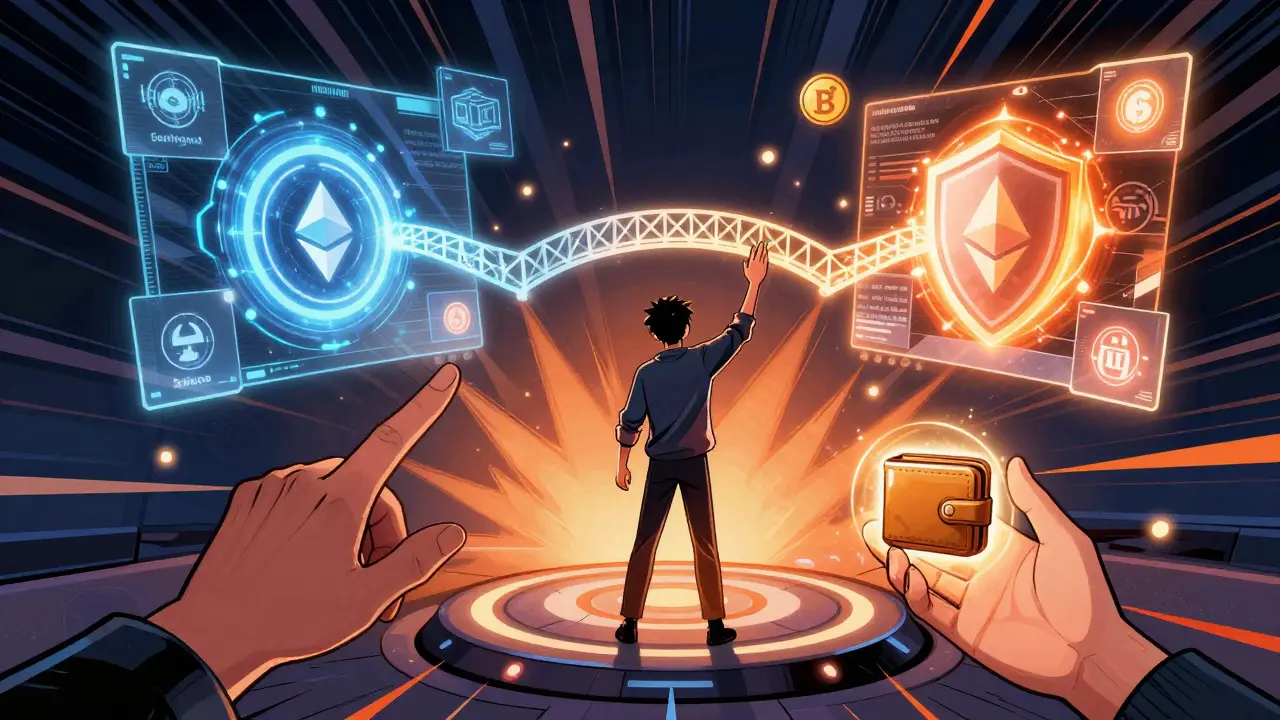
For Less Network specifically, the emphasis is on bridging assets from other major chains. If you hold significant amounts of ETH, SOL, or USDC on other networks, moving them to Less Network via official bridges is likely the most impactful action you can take. The network needs liquidity to function, and early bridge users are critical to bootstrapping that economy.
Eligibility Criteria and How to Qualify
Qualifying for the Less Network airdrop isn't just about having money; it's about having the right kind of activity. Based on similar infrastructure projects, here are the concrete steps you should take to ensure you are on the radar:
- Connect Your Wallet: Ensure your primary wallet (MetaMask, Phantom, etc.) is compatible with the Less Network testnet or mainnet. Create a dedicated wallet for airdrop farming to keep your main assets safe from phishing risks.
- Bridge Assets: Move a small amount of stablecoins (USDC or USDT) to the Less Network chain. Even $50-$100 can qualify you for minimum tier rewards while keeping risk low.
- Interact with Core Protocols: Don't just sit on the assets. Use the native DEX to swap tokens, stake them in liquidity pools, or interact with the governance module if available.
- Maintain Activity Cadence: Try to interact with the network at least once a week. Consistency signals genuine usage to the algorithmic scoring systems.
One common mistake is waiting until the last minute. Snapshot dates are rarely announced with long lead times. Set reminders for any announcements from the official Less Network channels, as missing a snapshot window can mean zero rewards for that period.
Tokenomics and Distribution Details
Understanding the tokenomics helps you gauge the potential value of your airdrop allocation. While exact figures can shift before the final launch, the structure for projects like Less Network typically follows this pattern:
| Category | Percentage | Purpose |
|---|---|---|
| Airdrop / Community | 10-15% | Rewarding early users and testers |
| Ecosystem Development | 20-25% | Funding grants and partnerships |
| Team & Advisors | 15-20% | Locked with vesting schedules |
| Treasury | 25-30% | Long-term operational costs |
| Liquidity Pools | 10-15% | Initial DEX liquidity |
The key takeaway here is the vesting schedule. Most airdropped tokens are not fully liquid immediately. Expect a lock-up period of 3 to 6 months, followed by a linear unlock over 12 to 24 months. This means you won't be able to sell everything on day one. Plan your portfolio accordingly, knowing that some of your reward will trickle in over time.

Risks and Pitfalls to Avoid
Not all airdrops are worth the effort. Before you commit time and gas fees to Less Network, consider these potential downsides:
- Opportunity Cost: Capital locked in a new chain might miss out on higher yields elsewhere. Weigh the expected airdrop value against the alternative returns.
- Smart Contract Risk: New networks have untested code. Always start with small amounts and verify contract addresses manually to avoid scams.
- Scam Tokens: After the announcement, fake LESS tokens will appear on exchanges. Only trade on verified, reputable platforms once the official listing occurs.
- Tax Implications: In many jurisdictions, receiving an airdrop is a taxable event at fair market value on the date of receipt. Keep records of your allocation and the price on that day.
Phishing is also a major concern. Since you will be interacting with new dApps, always double-check URLs. One wrong click can drain your entire wallet. Using a burner wallet specifically for this purpose mitigates that risk significantly.
Strategic Next Steps for Participants
If you decide Less Network aligns with your portfolio strategy, here is a practical roadmap to get started safely:
- Create a Burner Wallet: Set up a fresh MetaMask or compatible wallet. Fund it with only the amount you are willing to risk or lock up.
- Verify Official Channels: Follow the official Less Network Twitter/X and Discord. Turn on notifications for announcements regarding snapshots and TGE (Token Generation Event).
- Execute Small Transactions: Bridge a small amount of USDC. Perform a simple swap on the native DEX. Stake the result if possible.
- Track Your Points: If a points dashboard goes live, monitor your rank. Adjust your activity level if you notice you are falling behind the curve.
- Prepare for TGE: Once the token lists, decide your exit strategy in advance. Will you sell 50% immediately? Hold for a year? Having a plan prevents emotional selling during volatility.
The crypto landscape moves fast, and details around the Less Network airdrop may evolve as the project approaches its mainnet launch. Stay flexible and keep an eye on official updates. The goal is not just to get tokens, but to position yourself in a growing ecosystem that offers long-term utility beyond the initial hype.
Is the Less Network airdrop guaranteed for everyone?
No, it is not guaranteed for everyone. Eligibility usually depends on meeting specific activity thresholds, such as bridging a minimum amount of assets or maintaining consistent interaction with the network during designated snapshot periods. Passive holders who do not interact with the dApps may receive little to no allocation.
How much capital do I need to participate in the Less Network airdrop?
You can start with as little as $50 to $100 in stablecoins. The primary requirement is activity rather than huge capital sums. However, larger allocations generally yield better rewards due to tiered systems, so increasing your position can improve your total payout.
When will the LESS token be tradable?
The exact date depends on the Token Generation Event (TGE), which is typically announced a few weeks before launch. Upon listing, there is usually a vesting period where a portion of your airdrop is locked for several months before becoming fully liquid.
Do I need to buy the LESS token beforehand?
Usually, no. Airdrops are distributed based on pre-TGE activity on the testnet or mainnet using other assets like USDC or ETH. You do not need to buy the native token before it exists; instead, you earn it by using the network's infrastructure.
What is the biggest risk associated with this airdrop?
The biggest risks are smart contract failures and phishing scams. Since it is a newer network, bugs could exist in the protocols. Additionally, fake tokens and malicious links are common after airdrop announcements. Always use a burner wallet and verify contract addresses carefully.