
LiteBit.eu Review: Is This Crypto Broker Still Worth It in 2026?
Imagine you are looking for a simple way to buy Bitcoin with your Euro credit card, but you don't want to deal with complex order books or margin trading. That was exactly the promise of LiteBit.eu, a Netherlands-based cryptocurrency broker that gained significant traction in Europe between 2013 and its recent closure. For many beginners in the EU, it served as a familiar gateway into the crypto world, offering an interface that felt more like a traditional currency exchange bureau than a high-frequency trading platform. However, if you are searching for this service today, you might be confused by outdated blog posts still recommending it. The reality is that the landscape has shifted dramatically, and understanding what LiteBit was, how it worked, and why it closed is crucial before you decide where to park your digital assets now.
The Unique Broker Model: How LiteBit Worked
To understand why LiteBit appealed to certain users, we need to look at its core business model. Unlike traditional exchanges such as Binance or Coinbase Pro, which act as marketplaces connecting buyers and sellers, LiteBit operated as a broker. When you bought a coin on LiteBit, you weren't matching orders with another user; you were purchasing directly from LiteBit’s inventory. They would then sell that coin to you for a markup. As of May 2020, this markup was approximately 1.55%. While this fee structure is higher than the maker-taker fees found on major exchanges (which can drop below 0.1%), it provided a transparent, all-in price for casual investors who didn't want to calculate spread costs manually.
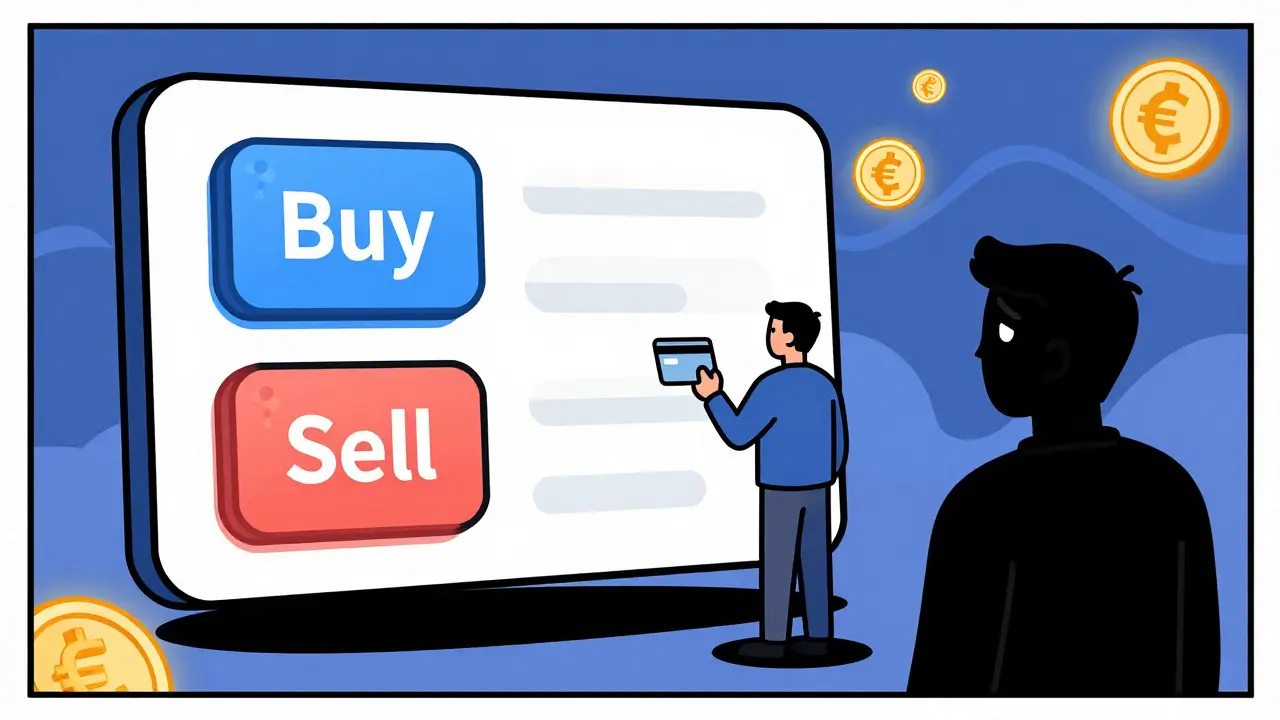
This model had a specific advantage: simplicity. You didn't need to place limit orders or worry about liquidity depth. You just clicked "Buy" and paid. To protect users from price fluctuations during the time it took for bank transfers to clear (which could take several days), LiteBit introduced a clever mechanism called LiteBit Credits (LBC). Users could purchase these credits first, locking in the current exchange rate, and then use them to buy cryptocurrencies later. This buffer system was particularly useful for those using slower payment methods like SEPA or iDeal, ensuring that a spike in Bitcoin's price while waiting for their transfer wouldn't eat into their budget.
User Experience and Payment Options
One of LiteBit’s strongest selling points was its focus on the European Union market. Headquartered in Rotterdam, the platform accepted a wide variety of local payment methods that are standard in the region but less common on global platforms. These included iDeal (popular in the Netherlands), Bancontact (Belgium), Sofort (Germany/Austria), EPS (Austria), Giropay, SEPA, and MyBank (Italy). For residents in these countries, the ability to pay directly from their local bank account without converting currencies first was a major convenience.
The user interface was designed specifically for beginners. It avoided the clutter of candlestick charts and advanced order types, focusing instead on clear buttons for buying and selling. The platform supported over 50 different cryptocurrencies, giving users access to popular altcoins beyond just Bitcoin and Ethereum. Security features included two-factor authentication (2FA) and biometric options like fingerprint protection on mobile devices. The integrated wallet meant users didn't need to download separate software to store their coins, which reduced friction for newcomers. However, this convenience came at a cost for power users, who often found the lack of advanced trading tools limiting.
Market Position and Competitive Landscape
During the 2017-2018 cryptocurrency boom, LiteBit rode the wave of increasing adoption in Europe. At its peak, the company reported approximately 800,000 registered clients. This growth was fueled by relatively low competition in the European broker space at the time. Many users preferred the straightforward nature of LiteBit over the complexity of emerging decentralized exchanges or large centralized platforms.
However, the crypto market evolved rapidly. Competitors like Bitvavo, Binance, and Coinbase began offering lower fees, faster transaction processing, and more sophisticated trading features. The rise of maker-taker fee structures meant that active traders could save significantly compared to LiteBit’s flat markup. Furthermore, as the market matured, users became more demanding. They wanted real-time data, deeper liquidity, and faster execution. LiteBit’s model, which prioritized simplicity over speed and cost-efficiency, started to feel outdated. Industry analysts noted that while the platform remained stable, it failed to innovate its marketing or technical infrastructure sufficiently to keep pace with agile competitors.
User Feedback and Trust Issues
User reviews for LiteBit were mixed, reflecting the trade-offs of its business model. On Trustpilot, the exchange maintained a rating of 3.3 out of 5, while other platforms like BitCourier reported lower scores around 2.5 based on thousands of reviews. Common complaints centered around delayed transactions and fund delivery issues, particularly affecting users in Germany. Some users reported that the initial account verification process was slower than expected, with identity checks taking longer than on competing platforms. One verified user noted that while their first Bitcoin purchase was slow and involved concerning follow-up calls from the help desk, subsequent trades proceeded smoothly. This inconsistency highlighted a challenge for LiteBit: maintaining high service quality as its user base grew.
On the positive side, users appreciated the Dutch-language customer support, which operated 24/7. For non-English speakers in the Netherlands and Belgium, having support available in their native language was a significant plus. The mobile application also received praise for including cryptocurrency news features, providing users with context alongside their portfolio value. However, many experienced traders moved away from LiteBit because they needed tools that the platform simply didn’t offer, such as stop-loss orders or shorting capabilities.
The Closure and What It Means for Investors
According to recent information, LiteBit.eu is no longer operational. The company announced its closure through a press release, marking the end of an era for one of Europe’s early crypto brokers. This closure reflects broader challenges faced by businesses that fail to adapt to changing market demands. In the fast-paced world of cryptocurrency, where new entrants launch weekly and technology evolves monthly, staying static is risky. LiteBit’s reliance on a higher-fee broker model made it vulnerable when cheaper, faster alternatives became widely available.
For the 800,000 registered users, the closure raised questions about fund protection and withdrawal procedures. While specific details about the shutdown process vary, the case serves as a reminder for investors to diversify their storage solutions and stay informed about the financial health of the platforms they use. It also underscores the importance of choosing platforms that align with your long-term goals. If you are a beginner seeking simplicity, there are still modern alternatives that offer similar ease of use with better fee structures and stronger regulatory standing. If you are an active trader, you will likely have already migrated to a full-featured exchange years ago.
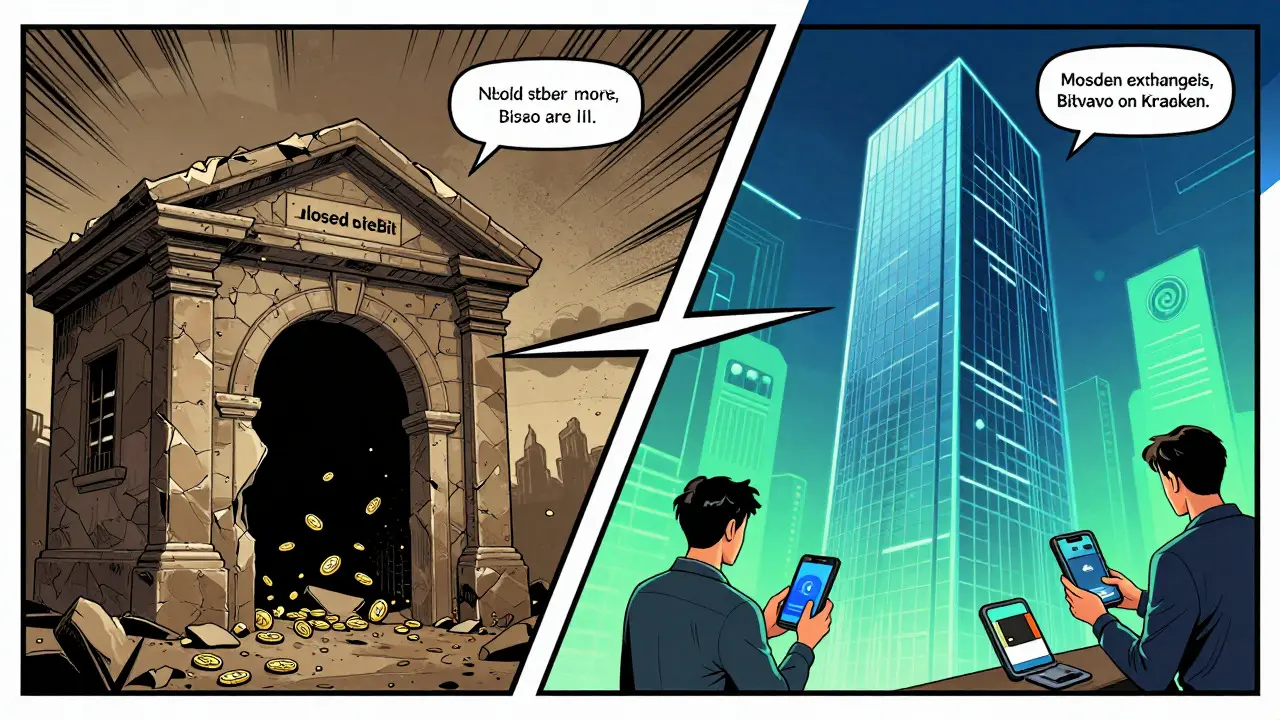
Comparing LiteBit to Modern Alternatives
To help you make sense of where to go next, let’s compare the characteristics of LiteBit’s former model with what is currently available in the European market. This comparison highlights why the shift away from pure broker models has been so pronounced.
This table illustrates the key differences. While LiteBit offered a streamlined experience, the fee differential is significant for frequent buyers. Over time, even small percentage differences add up. Moreover, the availability of advanced tools on modern platforms means that as your knowledge grows, you won't hit a ceiling. Most modern exchanges now offer simplified interfaces for beginners while retaining the power tools for experts, effectively covering both segments of the market that LiteBit tried to address separately.
Key Takeaways for Current Investors
- LiteBit is no longer operational: Do not rely on old tutorials or recommendations for this specific platform. Ensure your funds are secured elsewhere.
- Understand the difference between brokers and exchanges: Brokers charge a markup for simplicity; exchanges charge transaction fees for access to a marketplace. Choose based on your activity level.
- Fee sensitivity matters: If you buy regularly, the ~1.5% markup of a broker model is expensive compared to the sub-0.2% fees of major exchanges.
- Local payment methods are now widespread: Platforms like Bitvavo and others have adopted iDeal, Bancontact, and other EU-specific payment rails, removing LiteBit's primary competitive edge.
- Diversify your risk: The closure of LiteBit reminds us that no platform is immune to market shifts. Keep critical assets in hardware wallets or reputable, regulated custodians.
Frequently Asked Questions
Is LiteBit.eu still open in 2026?
No, LiteBit.eu is no longer operational. The company announced its closure, ending services for its approximately 800,000 registered users. If you still hold accounts or assets associated with the platform, you should check official communications from the company regarding final withdrawal procedures or asset distribution.
What was the main reason for LiteBit's closure?
The primary reason was increased competition and market evolution. As exchanges like Binance and Bitvavo offered lower fees, faster execution, and more features, LiteBit's higher-markup broker model became less attractive. Failure to innovate quickly enough in a rapidly changing industry led to its eventual shutdown.
How did LiteBit's fees compare to other exchanges?
LiteBit charged a markup of approximately 1.55% on top of the market price. This was significantly higher than the maker-taker fees of traditional exchanges, which often ranged from 0.1% to 0.26%. While acceptable for occasional buyers who valued simplicity, it was costly for frequent traders or large-volume purchasers.
What were the best alternatives to LiteBit for European users?
For users seeking similar simplicity but better fees, platforms like Bitvavo, Kraken, or Coinbase were strong alternatives. These exchanges support local EU payment methods like iDeal and SEPA, offer lower transaction fees, and provide robust security measures. They also cater to both beginners and advanced traders with tiered interfaces.
Did LiteBit support fiat-to-crypto direct purchases?
Yes, LiteBit allowed users to buy cryptocurrencies directly with euros using various payment methods including credit cards, iDeal, Bancontact, and SEPA transfers. The platform used a 'Credits' system to lock in prices during the processing time of bank transfers, protecting users from volatility delays.