

MONES Campaign Airdrop Details & Eligibility Guide (2026)
The Reality of the Mones Campaign Airdrop
Mones Campaign is currently generating significant chatter within digital asset communities, yet official documentation remains frustratingly thin. As of March 2026, there is no verified central repository detailing the MONES token distribution mechanics. While many users hope for immediate rewards, the absence of a whitepaper or official announcement suggests you are dealing with either a highly stealth project or, more dangerously, a marketing mimic of established networks. Before you connect your wallet or sign transactions, understanding the distinction between verified opportunities and imitations is essential.
Distinguishing Mones from Established Blockchains
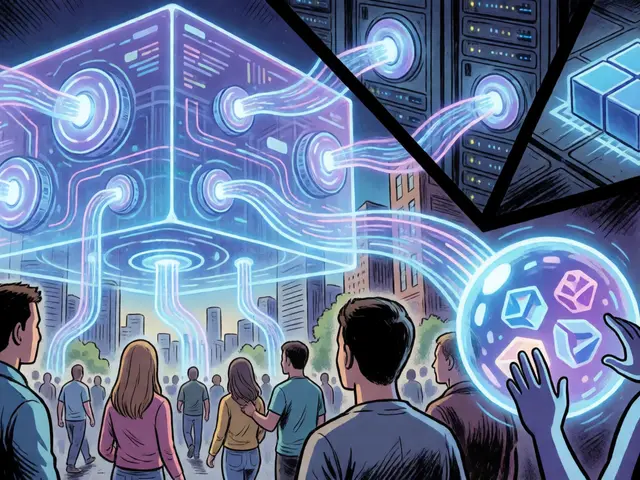
A common source of confusion right now is the similarity in naming conventions. Many users accidentally search for "Mones" when they actually intend to investigate Monad Network, a prominent Layer 1 blockchain that has been operational since late 2025. Monad Network is a high-performance blockchain designed for parallel processing of smart contracts, capable of handling over 10,000 transactions per second. Because the names phonetically overlap, scam scripts often deploy fake landing pages targeting those searching for "Mones" hoping to capture attention seeking Monad-related rewards.
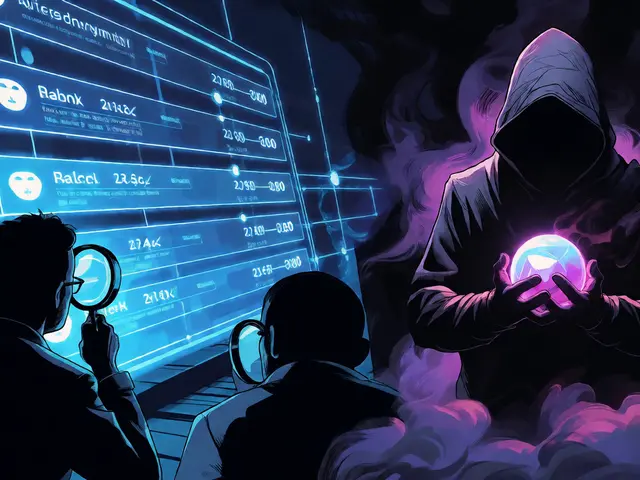
If you genuinely believe you have qualified for a separate project distinct from Monad, you must scrutinize the URL and contract address. Official project communication channels typically use verified domains and multi-signature authentication protocols rather than simple social media links. In this volatile landscape, protecting your private keys is the number one priority before chasing potential liquidity events.
| Feature | Verified Projects (e.g., Monad) | Unverified Claims (Generic "Mones") |
|---|---|---|
| Documentation | Published Technical Audits | Often Missing or Vague |
| Team Info | Doxed Leadership/LinkedIn | Anonymous/Telegram Only |
| Wallet Access | Read-Only initially | Immediate Signing Requests |
| Reward Source | Mainnet Ecosystem Funds | Ponzi-like User Deposits |
Verifying Eligibility Without Risk
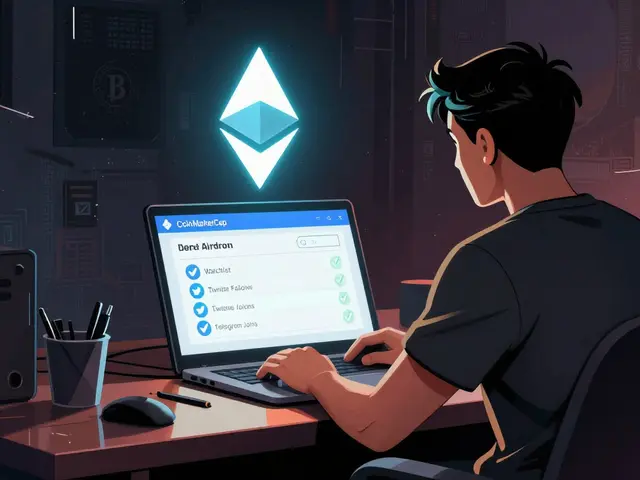
When official roadmaps are unclear, you need a framework to test validity without exposing assets. Most legitimate campaigns require interaction during a testnet phase. For the MONES Campaign, if it is genuine, it likely involves tasks like bridge transactions or swapping on a decentralized exchange. You should never interact directly with a contract claiming to distribute tokens until its code has been audited by a firm like CertiK or Trail of Bits.
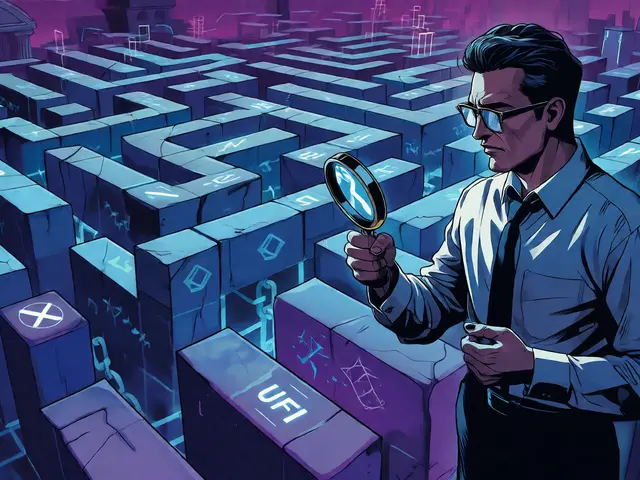
Check blockchain explorers manually. If you see wallet addresses receiving large allocations from a single deployer, that indicates a centralized distribution model typical of scams. Real airdrops distribute from treasury multisigs. Furthermore, pay attention to governance updates. Projects building trust in 2026 are integrating identity verification standards like Worldcoin or ZK-proof systems to prevent sybil attacks. If a campaign asks for nothing other than a basic signature, proceed with extreme caution.
Standard Mechanics for Layer 1 Rewards
Even if specific data for Mones is opaque, successful ecosystem incentives generally follow a set pattern in the post-2025 era. Most L1 networks allocate a percentage of their total supply for community grants. This process usually breaks down into three phases:
- Inactivity Bonus: Users who bridged funds but haven't moved them recently often receive lower multipliers to encourage retention.
- Growth Multipliers: Providing liquidity or staking positions early boosts reward tiers.
- Sybil Defense: Strict limits on unique IP addresses and device fingerprints ensure each person gets one allocation.
For a project potentially launching later this year, the key metric is often "points accumulation." Unlike early days where mere gas fees counted, modern protocols weigh your interaction depth. Swapping stablecoins rarely earns enough; you need complex interactions involving governance proposals or cross-chain transfers. Keep a log of every transaction hash if you suspect you qualify, as manual snapshots are sometimes used for final audits.
Protecting Your Assets During Hunting
Participating in ambiguous campaigns requires a dedicated isolation environment. Do not use your primary savings wallet. Create a fresh Burner Wallet specifically for interacting with these contracts. Never fund this account with more than the bare minimum required for gas. Even better, use browser-based solutions that allow revocation permissions via tools like Revoke.cash or Debank interfaces.
Look out for permission requests. If a dApp asks you to approve an infinite allowance on a token you just received, revoke it immediately after claiming. Malicious actors often wait weeks for a claim event to drain unlocked accounts. Verify the contract creator. If the deployer address is also linked to blacklisted exploits, abandon the project. Security hygiene beats potential gains every time in the current regulatory climate.
Frequently Asked Questions
Is the Mones airdrop officially confirmed?
As of March 2026, there is no public, verifiable confirmation from a reputable authority regarding the Mones Campaign details. Most references may be confused with the Monad blockchain.
How do I avoid scamming sites claiming to be Mones?
Always verify domain ownership via DNS records, check contract code on Etherscan/Solscan, and never approve unlimited token permissions. Stick to official announcements on verified social handles.
Can I confuse Mones with Monad tokens?
Yes, the names are often mistaken. Monad is a real Layer 1 chain active since late 2025. Always double-check the ticker symbol and network explorer details to ensure you aren't interacting with a spoof.
What information is needed for KYC verification?
Legitimate projects may request government ID or proof of residence for tax compliance. Never upload documents to unencrypted forms or unverified web portals.
Is airdrop farming profitable in 2026?
Profitability depends heavily on capital efficiency costs. Gas fees and maintenance expenses for multiple nodes often outweigh returns for smaller participants. Focus on organic usage.



Another free money scheme promising the moon while burning the forest down
we know how these things usually end up in our wallets
I truly hope everyone stays careful with their seed phrases right now
It is easy to lose focus when FOMO kicks in during these cycles
Let us support each other by sharing verification tools instead of hype
Honestly just stick to the mainnet features for now.
You really need to understand the bytecode structure.
Most people skip the verification step entirely.
This leaves massive holes in your personal security posture.
I recommend using a dedicated analyzer tool instead.
Never trust a contract that demands immediate signature approval.
Look at the function call permissions specifically.
Check if there is a hidden mint function within the code.
Scammers love to hide malicious logic behind simple variable names.
A legitimate airdrop distributes from verified multisig wallets.
You should see multiple signers before any funds move out.
Single owner accounts are almost always a red flag indicator.
Gas optimization tricks often mask the true cost of interaction.
Pay attention to the slippage settings you authorize during connection.
High slippage allows bots to drain your wallet instantly without warning.
Keep your private keys cold unless you are actively trading.
Multisig validation is mandatory for any serious deployment in 2026
We need to enforce strict governance parameters on the smart contracts
The overhead is worth the security guarantees
Reading all this about security makes my heart race constantly
I feel so much anxiety whenever I open a transaction screen
Why does the blockchain industry require such high stakes emotional labor
It drains my spirit to watch people get burned online daily
The garden of greed blooms in digital soil and weeds choke the roots quickly
We chase phantom promises while forgetting the value of existing assets
True wealth is found in patience rather than frantic accumulation cycles
I find the methodology quite lacking in official documentation
The narrative surrounding Mones feels constructed for volume manipulation purposes
Absence of audit reports suggests incompetence or malicious intent
Verified docs only thank u for the summary above
Stay safe out there and do not rush claims
scam alert evryone stay away from thse links
they r trying to steal ur money rn do not be dumb
While your enthusiasm regarding security is commendable please exercise care with capitalization
This observation holds significant weight regarding security protocols for unverified entities
We must maintain professional discourse even during volatile market conditions
Why did you even consider connecting that wallet in the first place
It seems you lack basic understanding of permission revocation tools
They are watching us all right now tracking every signature request
The metadata harvest is already complete regardless of token outcome
Run fast before the central servers lock us out completely
looks dodgy mate dont touch it
contract looks dirty anyway
smart contract auditors are useless sometimes when team is anon
rely on onchain data insted of paper whitepapers bro
Obviously you commoners would fall for this obvious trap
I never engage with such primitive attempts at distribution models
Your participation validates the predatory mechanics of this sector
you greedy bags deserve whatever loss you get from this mess
Stop acting like victims when you knew the risks involved
Your financial illiteracy is the primary cause of these failures