What is Nimiq (NIM)? The Browser-Native Crypto for Instant Payments
You don’t need to download heavy software or run a dedicated server to participate in the Nimiq network. In fact, you probably already have everything you need right now. Your web browser can run a full node of this blockchain directly within a tab. This unique approach makes Nimiq (NIM) one of the most accessible Layer 1 blockchains available today.
If you are tired of complex wallet setups and high gas fees, you might be wondering if there is a simpler way to use cryptocurrency for everyday transactions. That is exactly what Nimiq was built for. It functions as digital cash designed specifically for the World Wide Web, aiming to remove the technical friction that keeps mainstream users on the sidelines.
The Core Concept: Blockchain in Your Browser
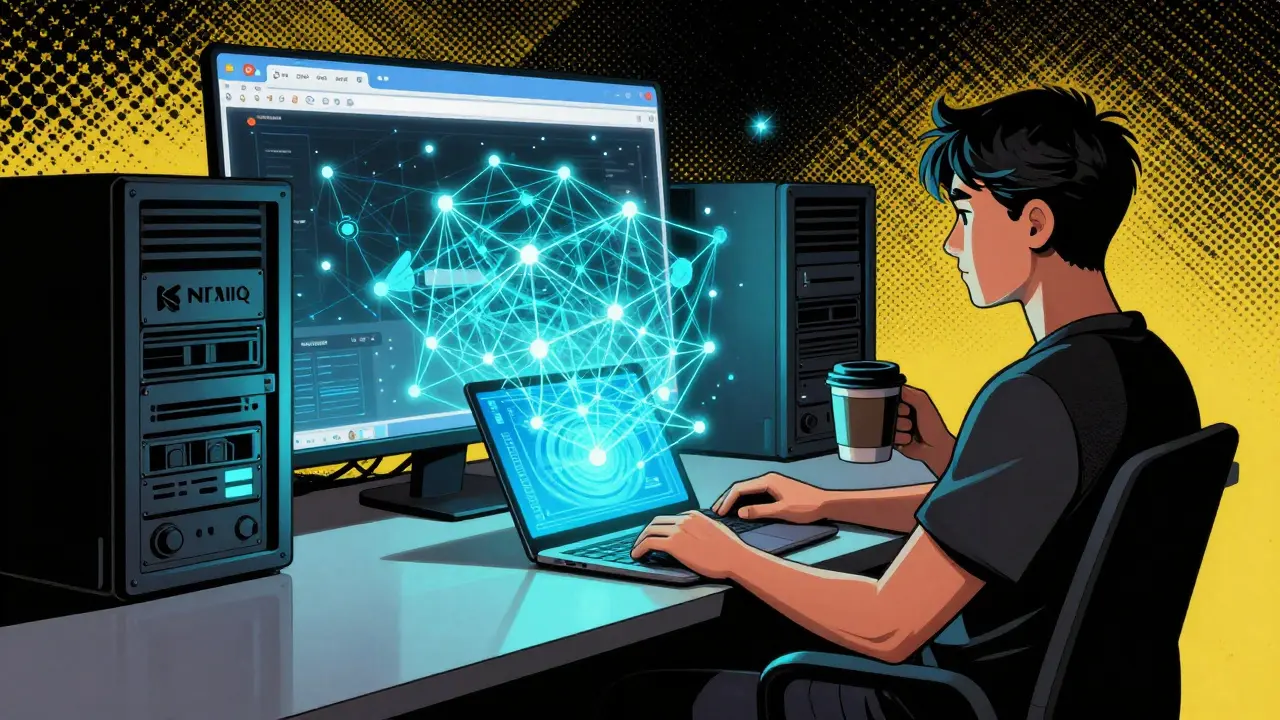
Most cryptocurrencies require you to install specific desktop applications or mobile apps to manage your funds securely. These apps often feel like black boxes-you trust the developer’s code without seeing how it works under the hood. Nimiq flips this model entirely. It is a web-native blockchain that allows any standard web browser-like Chrome, Firefox, or Safari-to act as a full node.
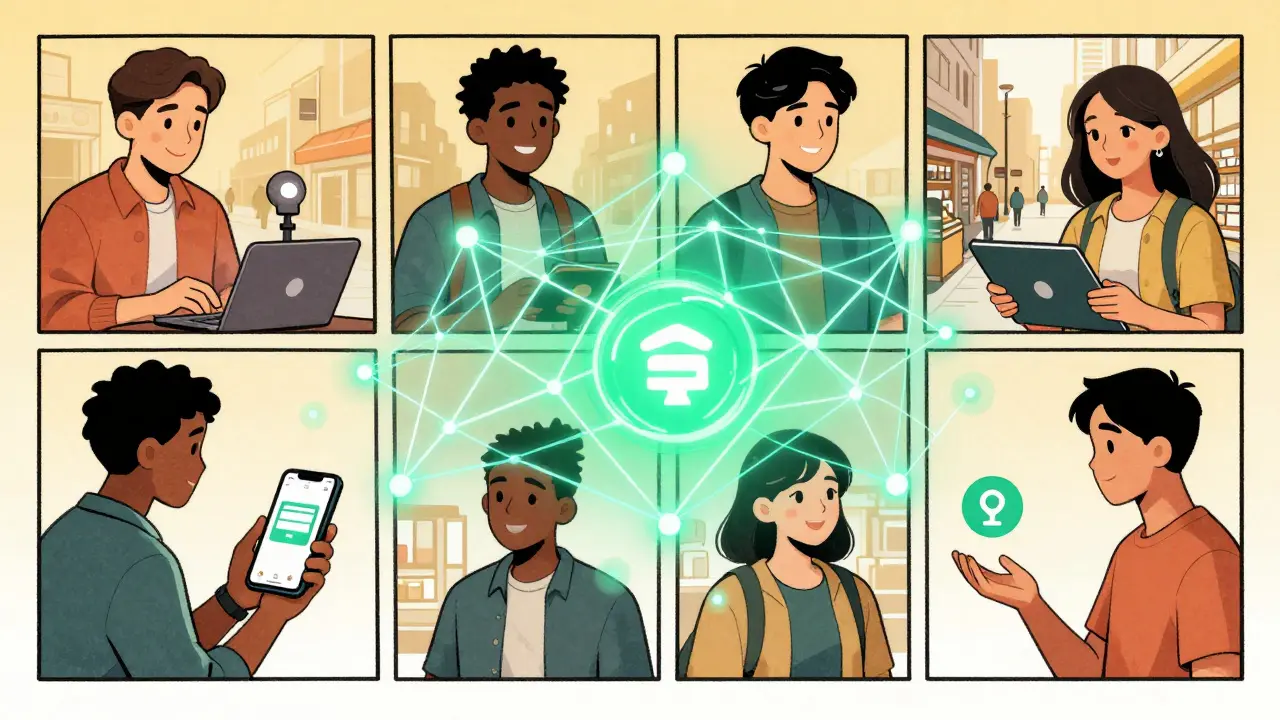
When you open the Nimiq Wallet, your browser downloads the entire blockchain history and validates every transaction locally. You are not relying on a centralized server to tell you your balance. You are verifying it yourself. This creates a true peer-to-peer network where every user contributes to the security of the system simply by having their wallet open. It is censorship-resistant because no single entity controls the infrastructure; the network lives in the browsers of its users.
This architecture solves a major pain point: accessibility. If you switch computers or lose your phone, you do not need to reinstall an app and restore a seed phrase in a complex interface. You just open the website, enter your credentials, and your local node syncs up. It feels less like managing a cryptographic asset and more like logging into an email account, but with far greater sovereignty over your funds.
How NIM Works: Speed and Efficiency
The native token of the network is called NIM. Unlike Bitcoin, which takes about ten minutes to confirm a block, Nimiq aims for speed. Transactions on the Nimiq network confirm in approximately one second. The network can handle up to 1,000 transactions per second (TPS), which significantly outpaces traditional payment processors like PayPal in terms of raw throughput.
But speed is only useful if it is affordable. One of the biggest barriers to using crypto for buying coffee or sending money to a friend is the fee structure. On networks like Ethereum during peak times, fees can exceed the value of the transaction itself. Nimiq addresses this by keeping transaction costs negligible. A single transaction consumes less energy than sending an email. For the end-user, this effectively means zero fees for small transfers, making it viable for micropayments.
To achieve this efficiency, Nimiq uses a technology called Hashed Timelock Contracts (HTLCs). These contracts enable payment channels that allow for instant, off-chain transactions. Think of it like opening a tab at a bar: you agree to pay later, but the individual drinks (transactions) happen instantly between you and the bartender without hitting the main ledger every time. Once you close the tab, the final amount settles on the blockchain. This mechanism also enables atomic swaps, allowing you to exchange NIM for other cryptocurrencies across different chains without needing a centralized exchange intermediary.
The Shift to Proof-of-Stake
For years, Nimiq operated on a Proof-of-Work (PoW) consensus mechanism, similar to early Bitcoin. Miners used computational power to secure the network. However, this model had drawbacks, including high energy consumption and centralization risks where large mining pools dominated the hash rate.
In May 2024, Nimiq executed a major upgrade, transitioning fully to Proof-of-Stake (PoS). This change was significant for several reasons. First, it drastically reduced the network's energy footprint, aligning with global sustainability goals. Second, it opened up participation to anyone holding NIM tokens. Instead of buying expensive ASIC miners, you can now stake your NIM to help secure the network and earn rewards.
The staking process is integrated directly into the wallet. Users can deposit their NIM into the platform’s high-yield PoS system. Current documentation suggests annual percentage yields (APY) can reach up to 15%, with recent averages hovering around 12.82%. By staking, you are not just earning passive income; you are actively voting for the health and security of the network. The block reward starts at 5 NIM per block and follows a halving schedule similar to Bitcoin, though adjusted for Nimiq’s faster block times.
| Feature | Specification |
|---|---|
| Consensus Mechanism | Proof-of-Stake (since May 2024) |
| Transaction Confirmation | ~1 second |
| Throughput | 1,000 TPS |
| Total Supply Cap | 21 Billion NIM |
| Circulating Supply | ~14.04 Billion NIM |
| Node Requirement | Web Browser (Chrome, Firefox, Safari) |
Ecosystem and Real-World Usage
A cryptocurrency is only as valuable as its utility. Nimiq has focused heavily on expanding where you can actually spend NIM. As of late 2025 and into 2026, the network reports acceptance at over 31,000 merchant locations worldwide. But the ambition goes much higher. Through partnerships with payment processors like Bluecode and NAKA, Nimiq plans to expand its acceptance network to over 75 million points of sale.
The wallet experience is designed to bridge the gap between crypto and fiat. It features an integrated decentralized exchange (DEX) that allows you to swap assets seamlessly. You can trade Bitcoin, USDC, and USDT (on Polygon) directly within the Nimiq Wallet alongside NIM. Crucially, the platform handles the complexity of gas fees automatically. If you want to send USDC, you do not need to hold MATIC tokens to pay for the transaction. The system abstracts this away, reducing the cognitive load on the user.
Beyond simple payments, the ecosystem includes gamification elements. Applications like Nimtris allow players to earn NIM tokens through gameplay, introducing new users to the economy in a fun, low-stakes environment. There are also integrations with platforms like Twitch, Discord, and Reddit, enabling creators to receive tips in NIM instantly without the hefty fees taken by traditional intermediaries.
Market Position and Risks
While the technology is impressive, it is important to look at the market realities. Nimiq is a relatively small player in the vast cryptocurrency landscape. Its market capitalization hovers around $7.8 million, with a fully diluted valuation of approximately $11.7 million. The 24-hour trading volume is modest, often sitting below $100,000.
This low liquidity presents two sides of the coin. On one hand, it means the project is not subject to the massive speculative volatility seen in top-tier coins like Bitcoin or Solana. On the other hand, low volume can make it difficult to enter or exit large positions without affecting the price. Price discovery is slower, and slippage can be higher for big trades.
Another challenge is the paradox of accessibility. While running a node in a browser is easy, the ease of access initially led to some centralization concerns in the PoW era, where professional mining pools dominated. The transition to PoS helps mitigate this by allowing broader participation through staking, but network effects still favor those who started early. Additionally, the reliance on browser-based nodes means that if a major browser vendor changes its security policies or blocks certain scripts, it could theoretically impact the network’s decentralization. However, Nimiq’s open-source nature ensures that alternative clients can be developed if necessary.
Security audits are critical for any financial protocol. Nimiq has received a security rating of 3.7 from CertiK, indicating a solid foundation, but users should always practice good hygiene. Since the wallet runs client-side, your private keys never leave your device. This is a feature, not a bug. It means you are responsible for your own security. If you lose your password or device data without a backup, your funds are gone forever. There is no customer support team that can reset your password.
Who Is Nimiq For?
Nimiq is not trying to be a smart contract platform for building complex DeFi protocols like Ethereum or Solana. It is not trying to be a store of value like Bitcoin. Its niche is clear: fast, cheap, and accessible peer-to-peer payments.
You should consider Nimiq if:
- You want to send money to friends or family abroad without bank fees.
- You are a content creator looking for a way to accept micro-tips from fans.
- You prefer a non-custodial wallet that does not require software installation.
- You believe in the long-term viability of web-native blockchains.
You might want to look elsewhere if:
- You are looking for high-frequency trading opportunities (due to low liquidity).
- You need complex programmable smart contracts for dApps.
- You prefer the established brand recognition and deep liquidity of larger networks.
The Future Roadmap
The development team behind Nimiq continues to push for mainstream adoption. The focus remains on expanding the merchant network through strategic partnerships. The goal of reaching 75 million acceptance points is aggressive but plausible given the integration capabilities with existing payment processors. Furthermore, the non-profit governance model ensures that decisions are made with the long-term health of the ecosystem in mind, rather than short-term profit motives. The allocation of 2% of the final supply to the ImpactX initiative also highlights a commitment to social and environmental responsibility, potentially attracting ESG-conscious investors.
Is Nimiq safe to use?
Yes, Nimiq is considered safe due to its open-source code and rigorous security audits. Because it runs in your browser, your private keys stay on your device, offering non-custodial security. However, you must protect your password and backups, as there is no recovery option if you lose them.
Can I mine Nimiq?
No, you cannot mine Nimiq anymore. The network transitioned from Proof-of-Work to Proof-of-Stake in May 2024. Now, you secure the network and earn rewards by staking your NIM tokens in the wallet.
What browsers are supported?
Nimiq supports all major modern web browsers, including Google Chrome, Mozilla Firefox, Apple Safari, and Microsoft Edge. No additional plugins or extensions are required.
Are there transaction fees?
Transactions on the Nimiq network are extremely cheap, often costing a fraction of a cent. For most practical purposes, especially for small amounts, they can be considered free compared to traditional banking or credit card fees.
How does Nimiq compare to Lightning Network?
Both aim for fast, cheap payments. However, Lightning requires setting up a node and managing liquidity channels, which can be complex. Nimiq integrates these channel-like technologies directly into the browser wallet, making it easier for average users to adopt without technical setup.