Decentralized Derivatives: What They Are and Why They Matter
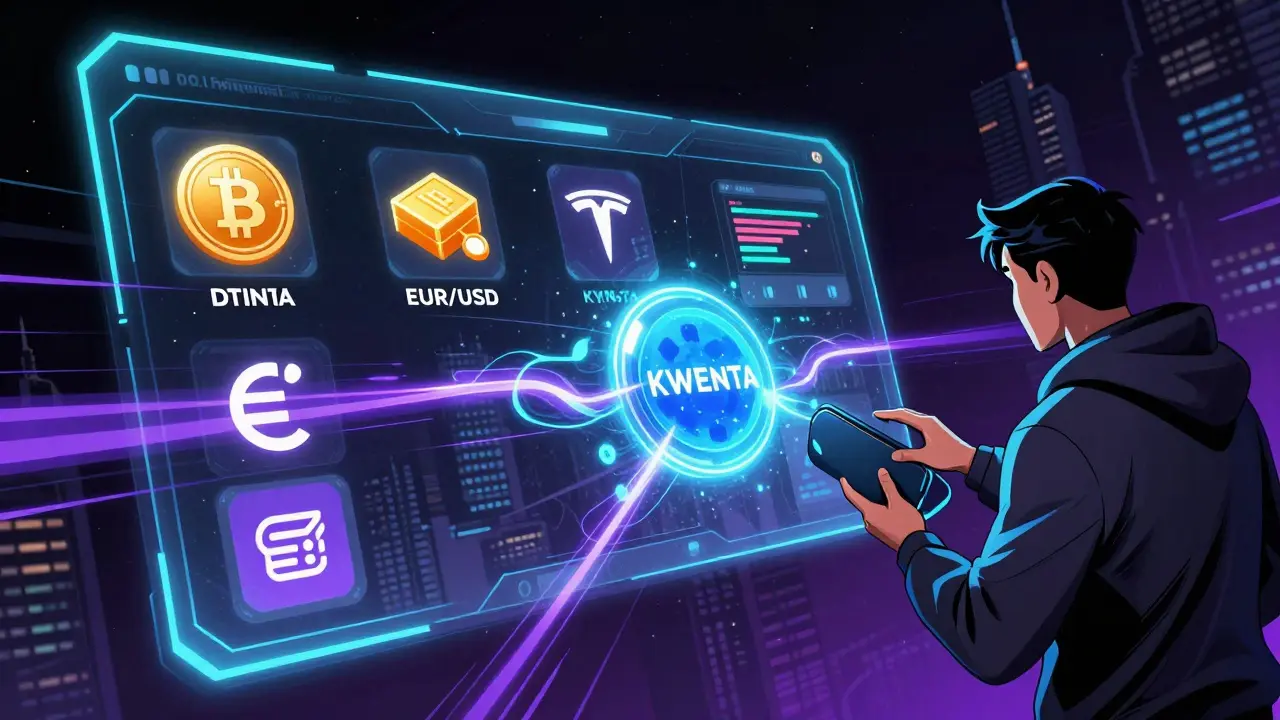
When you trade decentralized derivatives, financial contracts whose value is tied to an underlying crypto asset, traded without a central authority. Also known as DeFi derivatives, they let you bet on price moves—up or down—without owning the actual coin. Unlike traditional futures or options on exchanges like Binance, these trades happen directly on blockchain-based platforms using smart contracts. No middleman. No KYC. No bank account needed. Just code.
These tools rely on three key pieces: smart contracts, self-executing agreements that automatically settle trades when conditions are met, decentralized exchanges (DEXs), platforms like Uniswap or Balancer where users trade directly from their wallets, and oracles, services that feed real-world price data (like Bitcoin’s price) into the blockchain. If any of these fail—say, the oracle gets hacked or the contract has a bug—the whole trade can go sideways. That’s why most decentralized derivatives are still used by experienced traders, not beginners.
You won’t find many of these platforms on mainstream news. Most are niche, underfunded, or outright dead. Look at PulseX or Balancer v2 on Arbitrum—they offer derivative-style trading, but with low liquidity and high risk. There’s no big player like Deribit in the DeFi world yet. That’s why so many posts you’ll see here focus on scams: fake airdrops pretending to be derivative tokens, or tokens like BIB or RUGAME that claim to be part of a trading ecosystem but have zero volume and no team. Real decentralized derivatives need deep liquidity, reliable oracles, and active users. Most projects don’t have any of that.
What you’ll find below aren’t glowing reviews of the next big DeFi innovation. These are real stories—about tokens that vanished, airdrops that never paid out, and platforms that looked promising but collapsed. Some posts warn you about fake derivative projects masquerading as gaming tokens or staking rewards. Others show you what a legitimate DEX derivative setup looks like—and why even those are still too risky for most people. This isn’t a hype page. It’s a cleanup crew for the wild west of crypto finance. If you’re trying to trade derivatives on-chain, you need to know what’s real, what’s dead, and what’s a trap. These posts are your map.