RUG crypto: How to Spot and Avoid Crypto Scams That Drain Your Wallet
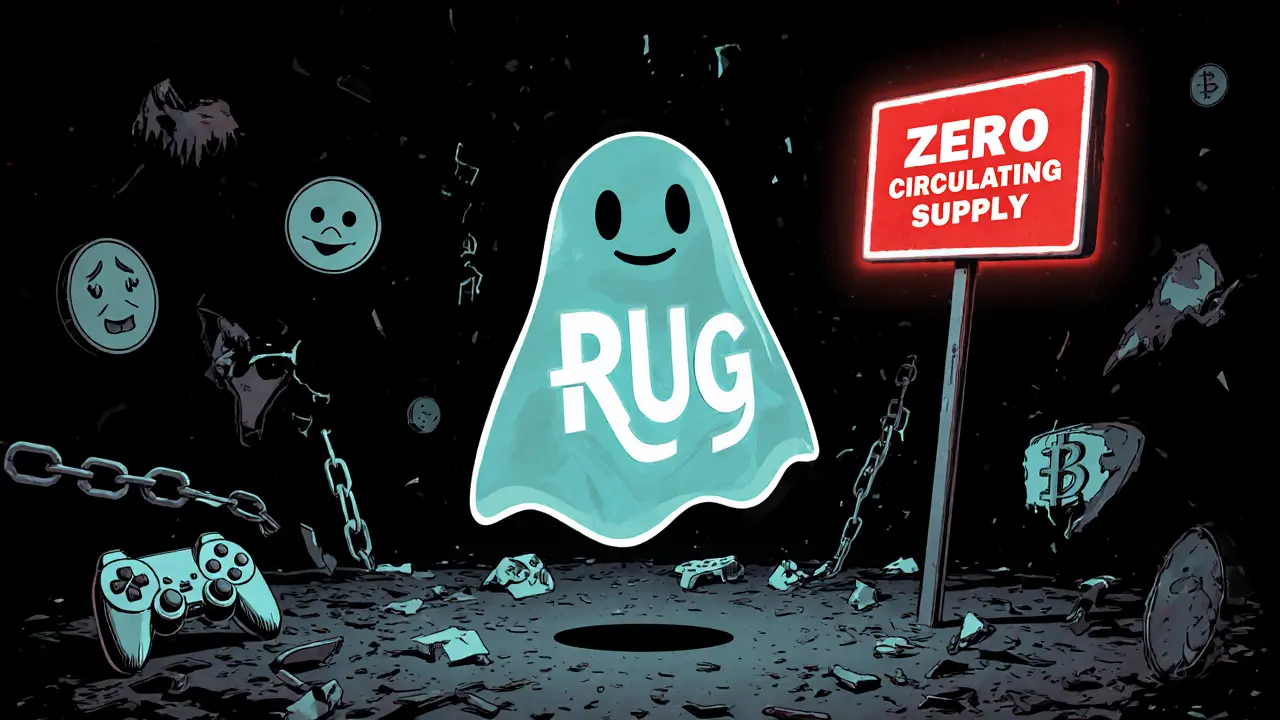
When you hear RUG crypto, a type of crypto scam where developers abandon a project and steal all the invested funds. Also known as rug pull, it’s one of the most common ways people lose money in crypto — not because the market crashed, but because someone lied to them. It’s not just a risky investment. It’s theft dressed up as a token launch.
RUG crypto doesn’t happen by accident. It’s planned. Developers create a token with a flashy name, promise big returns, hype it on Twitter and Telegram, then vanish with the liquidity. You see this in projects like BitWell, a crypto exchange that vanished in 2024, leaving users unable to withdraw funds, or low-cap tokens like Mistery On Cro (MERY), a meme coin on Cronos with zero utility and massive supply. These aren’t failures — they’re designed exits. The same pattern shows up in fake airdrops like Starchi Launch x CoinMarketCap, a non-existent promotion that tricks users into sending crypto to claim fake tokens. All of them follow the same script: attract users, lock in funds, disappear.
What makes RUG crypto dangerous is how normal it looks. The websites are polished. The whitepapers sound smart. The team photos are professional. But look closer — no real code on GitHub, no audits, no liquidity locked, no team names you can verify. If a token is on an unregulated exchange like UBIEX, a platform with high fees and no transparency, or if the devs are anonymous and the token has no real use case, you’re already in danger. The biggest red flag? When everyone’s talking about how fast the price is going up — that’s not momentum, that’s the pump before the pull.
You don’t need to be a genius to avoid these scams. You just need to ask three questions: Who’s behind this? Where’s the money? What’s the point? If you can’t answer them clearly, walk away. The posts below show you exactly how this plays out — from seized exchanges like TradeOgre to zombie tokens like BOHR and Project 32. These aren’t hypotheticals. These are real cases where people lost everything. Read them before you send your next transaction.