
Are Crypto Payments Allowed in Iran? The Real Rules in 2026
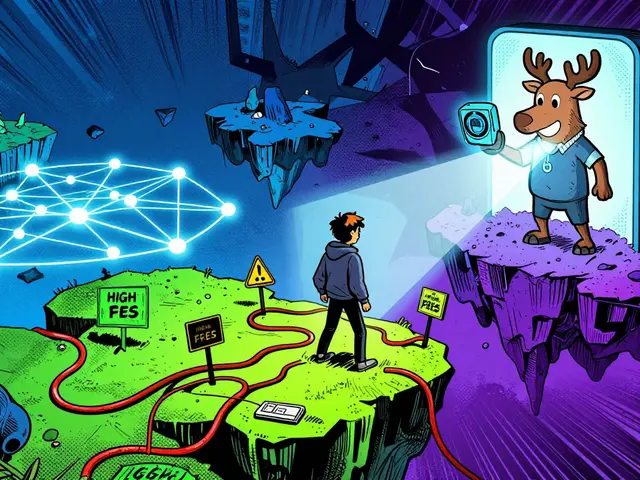
Can you use Bitcoin or Ethereum to pay for goods in Iran? The short answer is: not really. But it’s not that simple. While the Iranian government doesn’t outright ban cryptocurrency, it has built a system so tightly controlled that using crypto for everyday payments is practically impossible for most people.
What’s Actually Allowed?
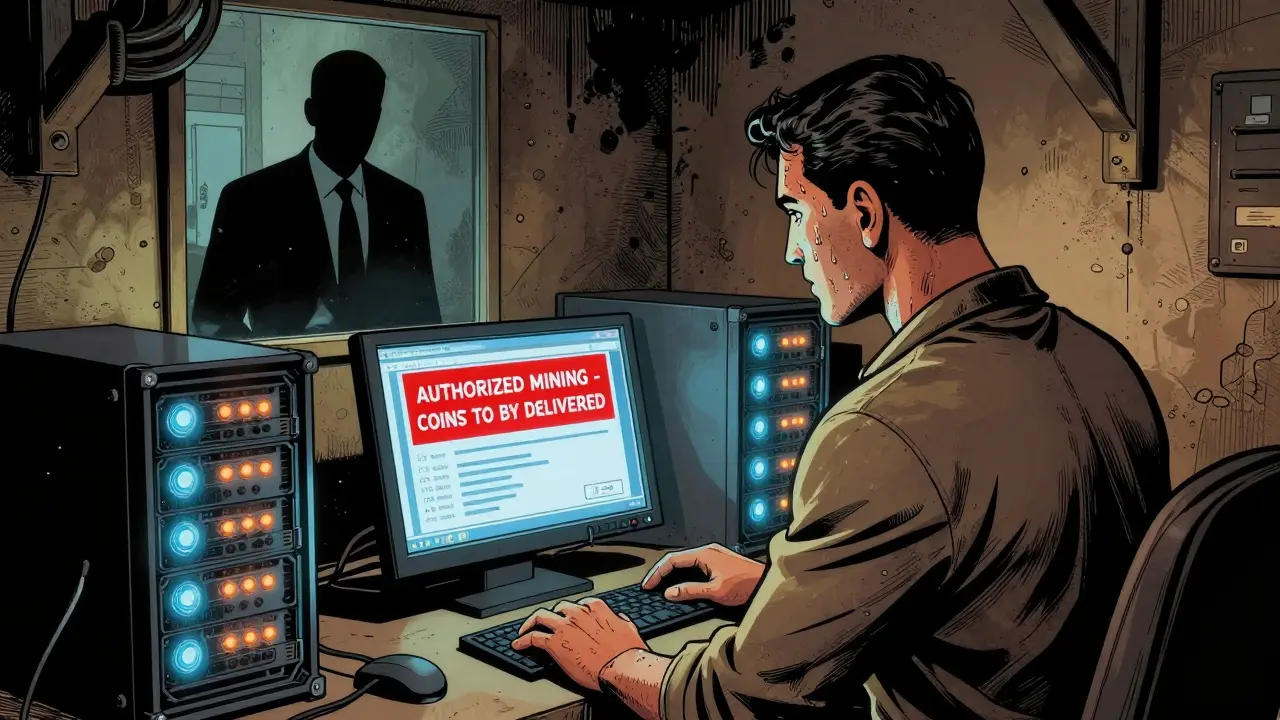
Iran lets you mine cryptocurrency. Yes, really. Since 2019, the government has encouraged mining because it brings in hard currency - Bitcoin, Ethereum, and others - that can be sold to the Central Bank of Iran (CBI). Licensed miners must use government-approved hardware, pay fixed electricity rates, and hand over all their mined coins to the state. In return, they get access to cheap power, which is why Iran used to be one of the top five countries for Bitcoin mining, responsible for nearly 4.5% of global activity. But mining isn’t the same as spending. You can’t walk into a Tehran grocery store and pay with Bitcoin. You can’t tip a delivery driver with Ethereum. You can’t even buy a SIM card online with crypto. The government shut down all direct crypto-to-rial payment gateways in December 2024. That means no app, no website, no merchant can let you convert crypto into Iranian rials to spend locally.The Only Way to Trade Crypto: Government-Approved Exchanges
There are a few platforms still operating, like Nobitex and Hamkaran. But they’re not independent. They’re state-monitored. To use them, you need to link your real identity, submit your bank details, and agree to let the Central Bank track every transaction - down to the exact time, amount, and IP address. These exchanges are the only legal bridge between crypto and rials, and even then, they only allow you to sell your crypto for rials, not buy goods with crypto. The CBI also blocks foreign-mined coins from being used in domestic transactions. So even if you bought Bitcoin overseas, you can’t use it to pay someone in Iran unless you first sell it through one of these licensed exchanges. And even that’s not guaranteed - the CBI can freeze transactions at any time.Why the Strict Rules?
Iran’s economy has been under heavy sanctions for years. The rial has lost over 80% of its value since 2018. People naturally turned to crypto as a way to protect their savings. But the government didn’t want citizens bypassing the financial system entirely. So instead of banning crypto, they took control of it. By forcing all transactions through government systems, they can:- Monitor who’s buying crypto
- Prevent money laundering
- Stop capital flight
- Collect taxes on crypto sales
- Use mined coins as a foreign currency reserve
Crypto Advertising Is Now Illegal
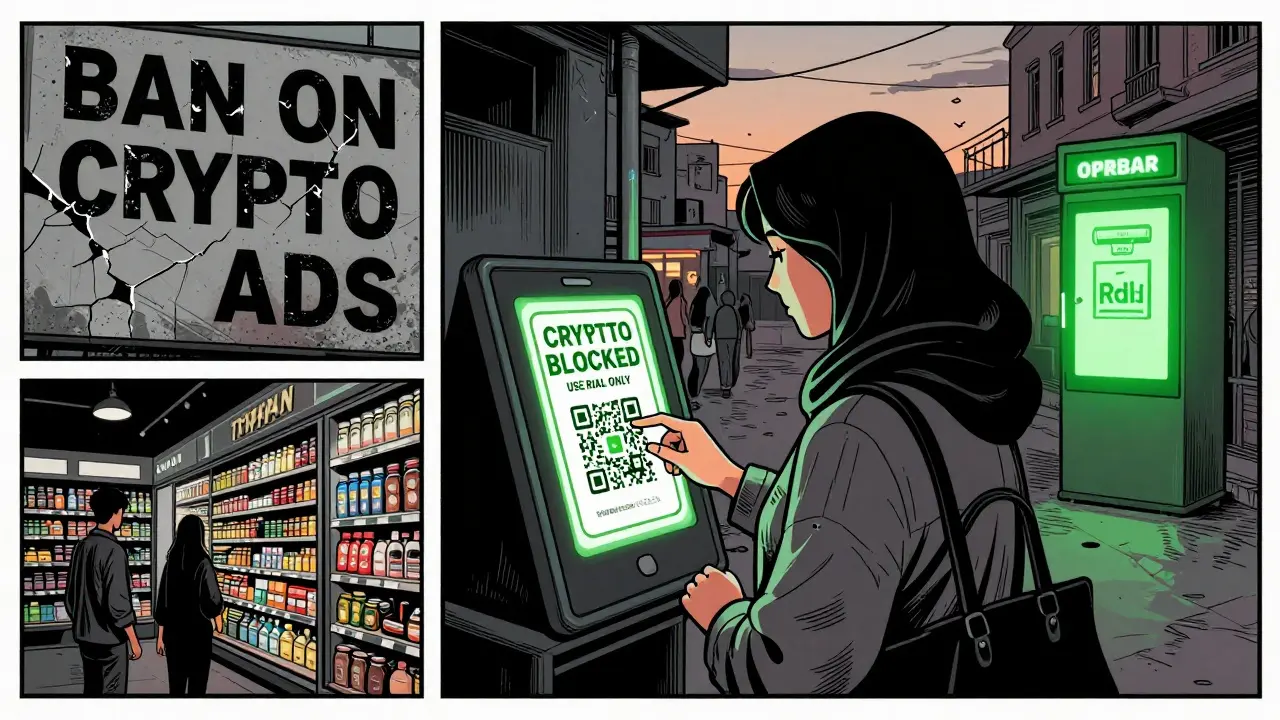
In February 2025, Iran went further. It banned all cryptocurrency advertising - online and offline. No more YouTube videos. No more billboards. No more Instagram posts promoting exchanges or wallets. This was a clear signal: the government doesn’t want the public getting excited about crypto. They want people to use the digital rial, not Bitcoin.The Digital Rial: Iran’s Answer to Crypto
Iran is building its own digital currency - called Rial Currency - a Central Bank Digital Currency (CBDC). Unlike Bitcoin, it’s not decentralized. It’s not mined. It’s not anonymous. It’s just the rial, but in digital form, controlled entirely by the Central Bank. The pilot program is already running on Kish Island, a free-trade zone. The goal? Replace foreign currencies like the dollar and euro with a state-backed digital alternative. If you’re thinking, “So Iranians are switching to the digital rial?” The answer is: not yet. Most people still trust crypto more than their own government’s currency. The rial keeps falling. The digital rial doesn’t offer any real advantage - no privacy, no global access, no hedge against inflation. So while the government pushes it hard, adoption is slow.What About Using Foreign Exchanges?
Many Iranians still use Binance, Kraken, or Bybit through VPNs. They buy crypto overseas, hold it, and then sell it through Iranian exchanges when they need cash. This is how most people actually interact with crypto - not to pay for things, but to save money. It’s risky. The government can cut off internet access during protests or crackdowns. In 2024, power outages hit mining hubs hard - and not just because of energy shortages. Authorities raided underground mining farms, seizing equipment and arresting operators. The message was clear: if you’re not playing by our rules, you’re breaking the law.
International Pressure Is Real
In July 2025, Tether froze 42 Iranian-linked addresses - one of the largest single actions ever taken against crypto tied to Iran. Many of those addresses were connected to Nobitex. This wasn’t an accident. It was a coordinated move by U.S. and European regulators to cut off Iran’s crypto-based sanctions evasion. The Islamic Revolutionary Guard Corps (IRGC) has long been suspected of using crypto to move money. Wallets linked to IRGC-affiliated entities have been flagged globally. That’s why even if you’re just a regular user, your transactions might get caught in the net.The Bottom Line
Crypto payments? Not allowed. Not really. You can’t use them to buy anything. You can’t pay bills, order food, or rent an apartment with crypto in Iran. The only legal path is through government-controlled exchanges - and even then, you’re not spending crypto. You’re selling it for rials. Mining? Still legal - but only if you’re licensed, monitored, and forced to hand over your coins. Advertising? Banned. Using foreign exchanges? Common, but risky. The digital rial? Being pushed hard, but no one trusts it. Iran’s approach isn’t about banning crypto. It’s about absorbing it. The state wants to control every step - from mining to trading - so it can profit from it, monitor users, and stop people from escaping the rial. For everyday Iranians, crypto isn’t a payment tool. It’s a savings tool. And even that’s getting harder.Can I use Bitcoin to pay for things in Iran?
No. Direct cryptocurrency payments for goods or services are banned. The Central Bank of Iran shut down all crypto-to-rial payment gateways in December 2024. You can only convert crypto to rials through government-approved exchanges, and even then, you can’t use the crypto itself to make purchases.
Is crypto mining legal in Iran?
Yes, but only if you’re licensed. Miners must register with the Ministry of Industry, Mine and Trade, use approved hardware, pay government-set electricity rates, and sell all mined coins directly to the Central Bank. Many miners operate illegally due to high costs and strict rules.
Why does Iran allow mining but ban payments?
Mining brings in foreign currency (Bitcoin, Ethereum) that the government can sell for hard cash. It’s a way to bypass sanctions. But allowing people to spend crypto would weaken control over the rial and encourage capital flight. So they let mining happen - under strict supervision - but block spending.
Can I use a VPN to access Binance or Kraken?
Yes, many Iranians do. But it’s risky. The government can block internet access, monitor VPN usage, or freeze accounts linked to foreign exchanges. Using these services doesn’t make transactions legal - it just makes them harder to track.
Is the digital rial replacing Bitcoin in Iran?
The government wants it to, but most people don’t trust it. The digital rial is centralized, traceable, and not a hedge against inflation. Bitcoin and Ethereum still hold more value as savings tools. The digital rial is mainly a tool for state control, not public adoption.
Are crypto transactions taxed in Iran?
Yes. All crypto-to-rial sales through licensed exchanges are tracked, and profits are subject to taxation. The Central Bank shares transaction data with tax authorities. Unlicensed activity is illegal and carries penalties, including fines or asset seizure.
Why did Tether freeze Iranian crypto addresses?
In July 2025, Tether froze 42 Iranian-linked addresses, mostly tied to the exchange Nobitex, under pressure from U.S. and EU regulators. These actions target sanctions evasion. Even ordinary users can get caught if their transactions are linked to flagged entities.
Can I open a crypto wallet in Iran?
You can create a personal wallet (like MetaMask) without breaking any laws. But if you send or receive crypto through unlicensed exchanges or use it to pay for goods, you risk legal consequences. The government doesn’t ban wallets - it bans using them for transactions outside state control.
What happens if I get caught mining without a license?
Authorities have raided underground mining farms, seized equipment, and arrested operators. Penalties include fines, confiscation of mining rigs, and possible criminal charges. The government has explicitly stated that unauthorized mining strains the national grid and is a threat to public order.
Is crypto banned in Iran or just controlled?
It’s not banned - it’s controlled. The government allows mining and crypto trading through licensed platforms, but bans direct payments, advertising, and unmonitored transactions. The goal is to capture crypto’s benefits while eliminating its risks - all under state surveillance.
What’s Next?
The rules are still changing. In early 2026, rumors suggest Iran might allow limited peer-to-peer crypto payments - but only if they’re routed through a government-approved blockchain ledger. That would mean every transaction is recorded and visible to authorities. For now, if you’re in Iran and you want to use crypto, your best bet is to buy it, hold it, and sell it when you need cash. Don’t try to spend it. Don’t advertise it. Don’t mine without a license. And don’t assume the system is stable - because in Iran, crypto policy shifts faster than the rial’s value.


Honestly? This is one of the most balanced takes I've seen on Iran's crypto situation. I've been following this for years, and it's wild how they turned mining into a state-run revenue stream. Kinda genius in a dystopian way. I just hope regular folks can still hold BTC as a hedge. 🤞
This whole thing is a farce. The government doesn't 'allow' mining-they're just extracting rent from desperate people. And calling it 'control' instead of 'exploitation'? Please. They're not owning crypto. They're just the world's most aggressive crypto landlord.
Let me guess-this is all part of a larger Western financial destabilization plot. The CBI doesn't want to 'collect taxes.' They're being forced into this by the IMF, the Fed, and some shadowy group of Swiss bankers who control the hash rate. Did you know the digital rial was designed by a former NSA contractor? I've seen the leaked blueprints. It's not a CBDC. It's a surveillance drone with a wallet interface. And Tether freezing those addresses? That wasn't regulatory-it was a coordinated cyber-attack disguised as compliance. They're terrified of decentralized money because it exposes how fragile their entire system is. The rial isn't falling-it's being assassinated.
So they let you mine but not spend? Classic authoritarian move. Just give them your Bitcoin and shut up.
It’s not crypto they fear-it’s sovereignty. The moment you let people transact outside the state’s ledger, you lose the illusion of control. Iran’s not banning Bitcoin. They’re performing a necromancy ritual on the rial, trying to drag its corpse back into the light. And the digital rial? It’s not a currency. It’s a confession: ‘We can’t print our way out of this anymore.’ The real rebellion isn’t mining. It’s holding. Every satoshi in a private wallet is a silent middle finger to the Central Bank.
I’ve lived in Tehran for 3 years. People don’t use crypto to buy coffee. They use it to buy groceries, medicine, and school supplies. My neighbor sells handmade rugs and gets paid in ETH because the rial drops 5% every week. The government’s system? It’s slow, glitchy, and they freeze accounts for no reason. So yeah, technically you can’t pay with crypto-but in practice? Everyone does. They just do it quietly. The real story isn’t the rules. It’s how people bend them without getting caught.
I must say, the depth of this analysis is truly commendable. The state’s strategic absorption of cryptocurrency as a macroeconomic lever-rather than a technological disruption-is a masterclass in adaptive governance. The digital rial, while currently underutilized by the populace, represents a paradigmatic shift toward sovereign monetary autonomy. One must acknowledge the geopolitical constraints under which Iran operates; sanctions have forced innovation. The irony? The very tool designed to circumvent control is now the instrument of its reconsolidation. A Hegelian synthesis, if you will.
so like... the iranian gov just turned bitcoin mining into a state-run sweatshop? lol. they got people running rigs in basements with 120v power and no AC just to hand over coins to some bureaucrat who says 'thank u 4 contributing 2 national security'. meanwhile, my cousin in tehran just bought a laptop with eth on telegram. they call it 'p2p rial'. nobody talks about it. but everyone does it. and the digital rial? more like 'digital prison'. 😂
Interesting breakdown. I’ve worked with crypto compliance teams in the Middle East, and Iran’s model is actually unique. Most countries either ban it outright or ignore it. Iran chose to weaponize it. The mining program is essentially a sanctioned black-market forex operation. Smart, cold, and brutal. But I’d argue the real win isn’t the coins-it’s the data. Every transaction, every IP, every miner’s ID. That’s gold for surveillance states. They didn’t just control crypto. They turned it into a national identity database.
I think what’s most telling here isn’t the rules, but the silence. No one talks about how many people are just… holding. Not mining. Not trading. Just keeping BTC in a cold wallet like a secret prayer. It’s not about payments. It’s about dignity. When your currency is collapsing, your savings don’t need to be legal. They just need to exist. The government can track every exchange, but they can’t track every private key. And that tiny space-the one between the blockchain and the state-is where real freedom lives.
The whole narrative is misframed. This isn’t 'control'-it’s a failed fiat system trying to outsource its collapse. The government doesn’t 'allow' mining. They’re desperate. They’re using crypto to fund their military, their proxies, and their domestic repression. And the digital rial? It’s a central bank’s wet dream: zero anonymity, zero decentralization, zero accountability. It’s not innovation. It’s a digital authoritarianism prototype. And if you think the US/EU freezing addresses is about sanctions, you’re missing the point. It’s about preventing Iran from becoming a crypto hub. Because if they succeed, the whole sanctions game collapses.
As someone who’s lived in both Tehran and Austin, I can say this: the irony is thick. The same people who call crypto 'decentralized freedom' are now using it to survive a state that’s more centralized than the IMF. The digital rial isn’t the future-it’s the past. A return to state-monopoly money, but with better UI. Meanwhile, Iranians are doing what people always do: building parallel systems. The real story? It’s not in the law. It’s in the WhatsApp groups where people trade ETH for onions.
this whole thing is so extra. iran lets you mine but not spend? lol. they want to be the crypto version of north korea. 'you can mine our bitcoin but you cant buy a pizza with it.' the digital rial is just the rial with a new coat of paint and a camera on your phone. they're not controlling crypto. they're just scared of it.
I just want to say-this is heartbreaking. People aren’t using crypto because they’re techies. They’re using it because their savings are vanishing. A grandma in Shiraz holds ETH so her grandkids can afford insulin. A teacher in Mashhad sells mining rigs to pay rent. This isn’t about regulation. It’s about survival. And the government? They’re just trying to tax survival. I hope someone’s listening.
The digital rial is the only sane choice. Why would any nation let foreign crypto dictate its monetary policy? This is why the West is falling apart-because they worship decentralization like a religion. Iran is doing what any responsible government should: taking back control. The rial may be weak, but at least it’s ours. And if people want to mine? Fine. Let them. But don’t pretend this is about freedom. It’s about sovereignty.
The digital rial is the endgame. They don’t want to stop crypto. They want to replace it with something worse. A blockchain they own. A ledger they control. A currency that can be frozen, taxed, or deleted with a keystroke. And the mining? It’s a trap. You think you’re making money? You’re just feeding the state’s foreign reserves. The real power isn’t in Bitcoin. It’s in the data. Every transaction you make on Nobitex? It’s logged. Every IP. Every device. Every second. They’re building a surveillance state with crypto as the front door.
I just feel so bad for the people there. Like, imagine being so broke you have to mine crypto just to buy bread. And then they come and take your rigs. It’s not even a system. It’s a trap. Why can’t they just let people use crypto? Why is control more important than survival? I’m crying. I just… I don’t know what to say.
Lmao so the 'solution' is to turn Bitcoin into a state-owned asset? Brilliant. The same government that can’t keep the lights on wants to regulate hash power? The digital rial is just the rial with a blockchain tattoo. And they wonder why people use Binance? Because at least there, you don’t need to file a form in triplicate just to send 1000 rials. This isn’t innovation. It’s a hostage situation.
I’ve been studying monetary policy for 15 years. What Iran is doing is unprecedented. They’ve turned a decentralized asset into a centralized fiscal tool. That’s not control-it’s metamorphosis. The state isn’t just regulating crypto. It’s becoming crypto. The digital rial isn’t a currency. It’s a protocol. And if they pull this off, every sanctions-targeted nation will copy it. This isn’t about Iran. It’s about the future of money. And honestly? I’m terrified.
They think they’re in control? HA. The moment you tie crypto to a state ledger, you create a single point of failure. The digital rial? It’s a honeypot. Every miner, every exchange, every user-now a target. One cyberattack. One power grid failure. One leaked key. And the whole system collapses. The government doesn’t own Bitcoin. Bitcoin owns them. They built a prison… and now they’re locked inside it.
Crypto payments banned. Mining allowed. Digital rial pushed. Classic.
You can't just 'hold' crypto in Iran and expect it to be safe. The state can seize your wallet if they want. You think your private key is safe? It's not. They have access to every device connected to the national network. If you're not using a government-approved wallet, you're just playing Russian roulette with your savings.
Exactly. And that’s why the real crypto movement in Iran isn’t about mining or exchanges-it’s about air-gapped wallets. No internet. No phone. Just a paper seed phrase buried in a wall. The government can track every transaction on Nobitex. But they can’t find a key hidden under a brick in a Tehran backyard. That’s the real resistance.
I’ve seen it. A friend in Isfahan buried his seed phrase in a clay pot under his garden. He says he’ll only dig it up if the rial hits 1 million to the dollar. He’s not trying to get rich. He’s just trying to make sure his daughter can go to college someday. That’s not crypto. That’s hope.