Cratos (CRTS) Airdrop: Is It Still Active in 2026?
You’ve probably seen the buzz around Cratos, also known as CRTS, a blockchain project that made waves with its community engagement strategy. If you’re searching for "Cratos airdrop by Cratos details", you likely want to know if you can still claim free tokens or if this opportunity has passed. Here is the hard truth: the main Cratos airdrop event concluded on July 5, 2024. That was nearly two years ago from today’s date in June 2026.
Does this mean there is no value left? Not necessarily. Understanding what happened during that distribution helps you avoid scams pretending to be the official campaign and teaches you how to spot legitimate opportunities in the current market. Let’s break down exactly what the Cratos airdrop was, who qualified, and why it matters now.
The Facts: The Airdrop Is Over
First, let’s clear up any confusion about timing. The Cratos Token Airdrop was a specific, time-bound marketing event. It did not run indefinitely. The deadline was set for July 5, 2024, at 8:00 AM UTC+9. Once that clock struck midnight in Seoul time, the window for new participants closed permanently.
If you are reading this in 2026 and someone tells you they can sign you up for the "original" Cratos airdrop, they are lying. Scammers often recycle old news to trick users into connecting their wallets or sending small fees for "gas." Never pay money to receive an airdrop. Legitimate distributions like Cratos were always free to enter.
How the Distribution Worked
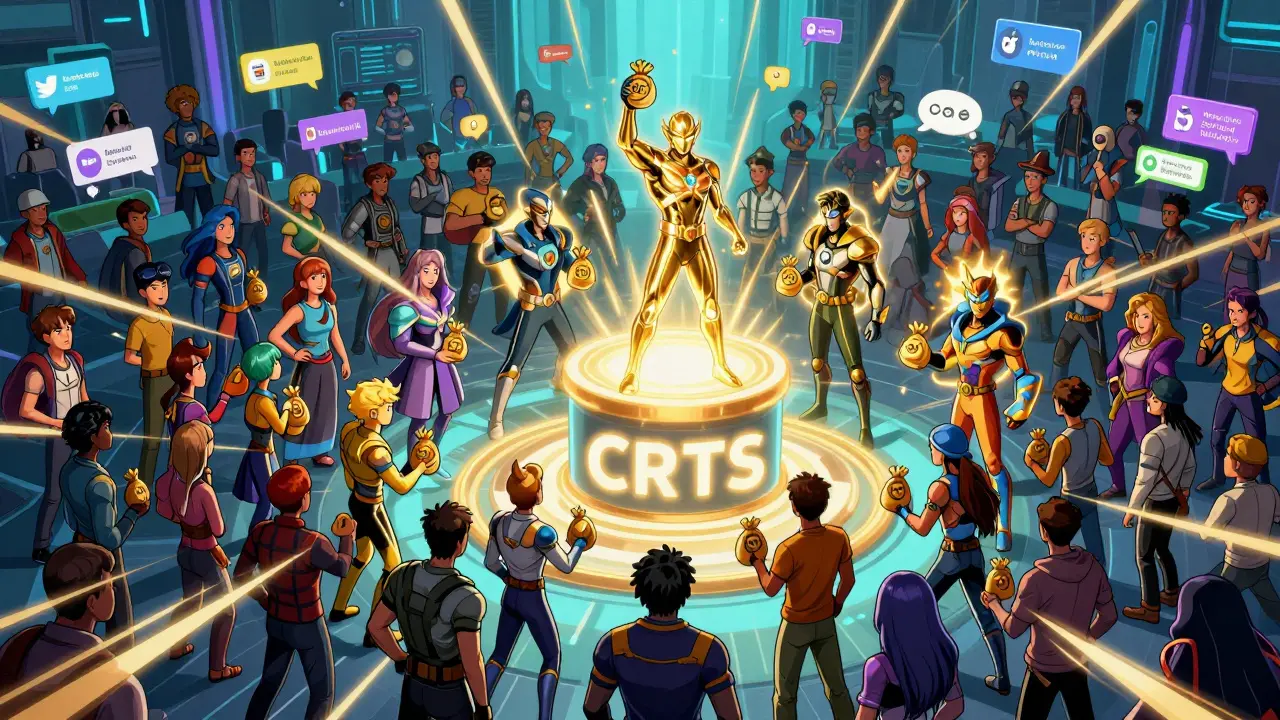
To understand the scope of the event, we need to look at the numbers. Cratos designed this airdrop to reward early adopters and expand their user base rapidly. They didn’t just give tokens away randomly; they targeted active community members.
- Total Winners: 5,000 individuals were selected.
- Allocation per Winner: Each winner received exactly 500 CRTS tokens.
- Total Pool Size: The entire distribution amounted to 2,500,000 CRTS tokens.
This structure meant the project distributed a significant chunk of its supply without dumping too many tokens on passive holders. By limiting it to 5,000 winners, they created scarcity and encouraged people to engage with their social channels to get noticed.
What Was the Value?
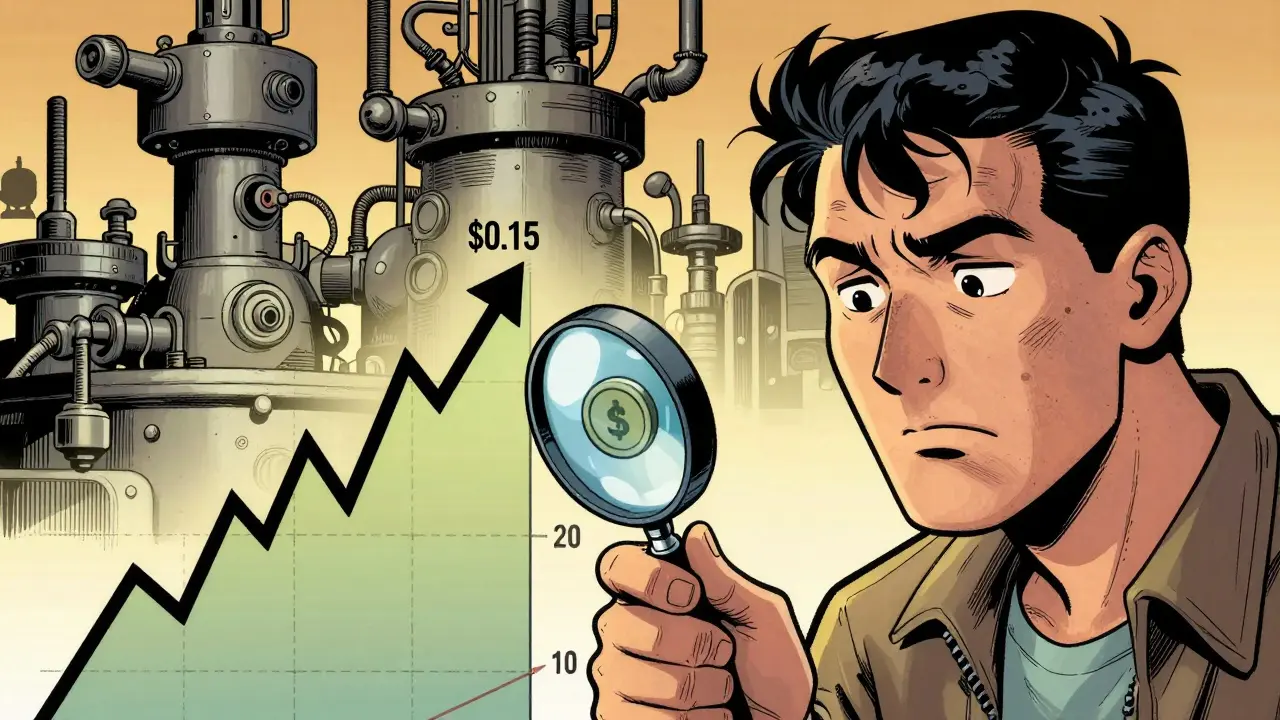
People care about airdrops because they want profit. So, what was 500 CRTS worth back then? At the time of the announcement and distribution, CRTS was trading at approximately $0.00029888 USD per token.
Let’s do the math:
500 tokens × $0.00029888 = $0.149 USD.
Yes, you read that right. The initial value was roughly 15 cents. This might sound low compared to massive airdrops like Uniswap or Arbitrum, which gave users thousands of dollars. However, context matters. In mid-2024, the cryptocurrency market was seeing a surge in smaller, community-focused airdrops. Projects like Ethena and Hyperliquid dominated the headlines with billions in value, but Cratos took a different route. They focused on volume and community size rather than high individual payouts.
Market Impact and Price Action
Even though the payout was small, the market reacted strongly. Why? Because attention drives price in crypto. When the airdrop was announced, CRTS saw immediate volatility.
| Metric | Value |
|---|---|
| Price Increase (1 Day) | +17.70% |
| Price Increase (2 Days) | +18.47% |
| Price Increase (From Announcement) | +37.33% |
| Daily Trading Volume | $29.6 Million USD |
| Market Cap at Time | $18.7 Million USD |
A 37% jump from the initial publication shows that traders believed in the project’s potential. The daily trading volume of nearly $30 million indicated deep liquidity. This means that when the 2.5 million tokens entered circulation, the market could absorb them without crashing the price immediately. For the 5,000 winners, selling those 500 tokens was easy because there were plenty of buyers.
Who Qualified? Eligibility Criteria
You might be wondering, "How did I miss out?" or "Could I have qualified?" The selection process wasn’t based on complex technical tasks like bridging assets or providing liquidity. Instead, Cratos used a community participation model.
Winners were chosen based on their activity within the Cratos ecosystem. This typically included:
- Following official social media accounts (Twitter/X, Telegram).
- Engaging with posts using hashtags like #CRATOS2024 and #Airdrop.
- Participating in Discord discussions.
- Being an early holder or advocate before the token launch.
There was no public whitelist or snapshot address list released beforehand. The project team manually or algorithmically selected the 5,000 most active members. This approach rewards genuine interest rather than bot farms trying to game the system. It’s a strategy that builds a loyal user base, even if it frustrates those who weren’t paying attention at the right time.
Cratos vs. Other 2024-2025 Airdrops
To put Cratos in perspective, we need to compare it to other major distributions during that period. The landscape of airdrops evolved significantly between 2024 and 2025.
| Project | Type | Key Feature | Status |
|---|---|---|---|
| Cratos (CRTS) | Community Engagement | Immediate distribution, 5k winners | Completed (July 2024) |
| Ethena | DeFi Protocol | High value, staking requirements | Completed |
| RedotPay | Payment/Fintech | Backed by $47M funding | Active/Ongoing phases |
| Midnight Network | Privacy Chain | Multi-phase scavenger hunt | Complex vesting periods |
Notice the difference? Cratos was simple and fast. Projects like Midnight Network introduced complex "scavenger mining" phases and four-year lost-and-found periods. Cratos wanted to get tokens into hands quickly to boost circulation. With a circulating supply of 62.8 billion tokens, adding 2.5 million more was a drop in the bucket, but it helped move the needle on adoption.
Is There a New Airdrop in 2026?
As of June 2026, there is no official announcement of a second Cratos airdrop. The original event served its purpose: marketing and initial distribution. However, the project itself may still be active. Always check the official Cratos website and verified social media channels for updates. Do not trust third-party sites claiming to offer "new" CRTS tokens.
If you are looking for similar opportunities today, the market has shifted. Current trends favor projects with strong venture capital backing, such as Andrena ($35.5M from DragonFly and VanEck) or Espresso (backed by Andreessen Horowitz). These projects often require more technical interaction, such as testing testnets or using decentralized applications, rather than just liking tweets.
Lessons Learned for Future Hunters
The Cratos airdrop teaches us three valuable lessons for navigating the crypto space in 2026:
- Speed Matters: The window was short. Missing the July 2024 deadline meant missing out entirely. Set calendar reminders for events you care about.
- Community > Complexity: You don’t always need to be a developer to win. Sometimes, just being vocal and active in Discord is enough.
- Beware of Hype: The price jumped 37%, but the actual payout was 15 cents. Don’t assume every airdrop will make you rich. Manage your expectations.
While the Cratos airdrop is history, the principles remain the same. Stay engaged, stay safe, and never pay to play.
Can I still claim the Cratos (CRTS) airdrop in 2026?
No, the Cratos airdrop ended on July 5, 2024. Any site claiming you can still claim it is likely a scam. Do not connect your wallet to unofficial links.
How much was the Cratos airdrop worth?
Each winner received 500 CRTS tokens. At the time of distribution, this was valued at approximately $0.15 USD. The value fluctuated based on market prices after the event.
Who qualified for the Cratos airdrop?
5,000 winners were selected based on community participation, including social media engagement, Discord activity, and early support of the project. There was no public whitelist.
Is Cratos (CRTS) a legitimate project?
Yes, Cratos is a recognized blockchain project with a market cap of over $18 million at the time of the airdrop. However, always verify current status through official channels before investing.
Are there new airdrops similar to Cratos in 2026?
The market has shifted towards more technical airdrops requiring testnet usage or DeFi interaction. Projects like RedotPay and Andrena are examples of newer distributions, but they have different eligibility criteria than the simple community-based Cratos event.