EU Privacy Coin Ban 2027: Monero and Zcash Impact
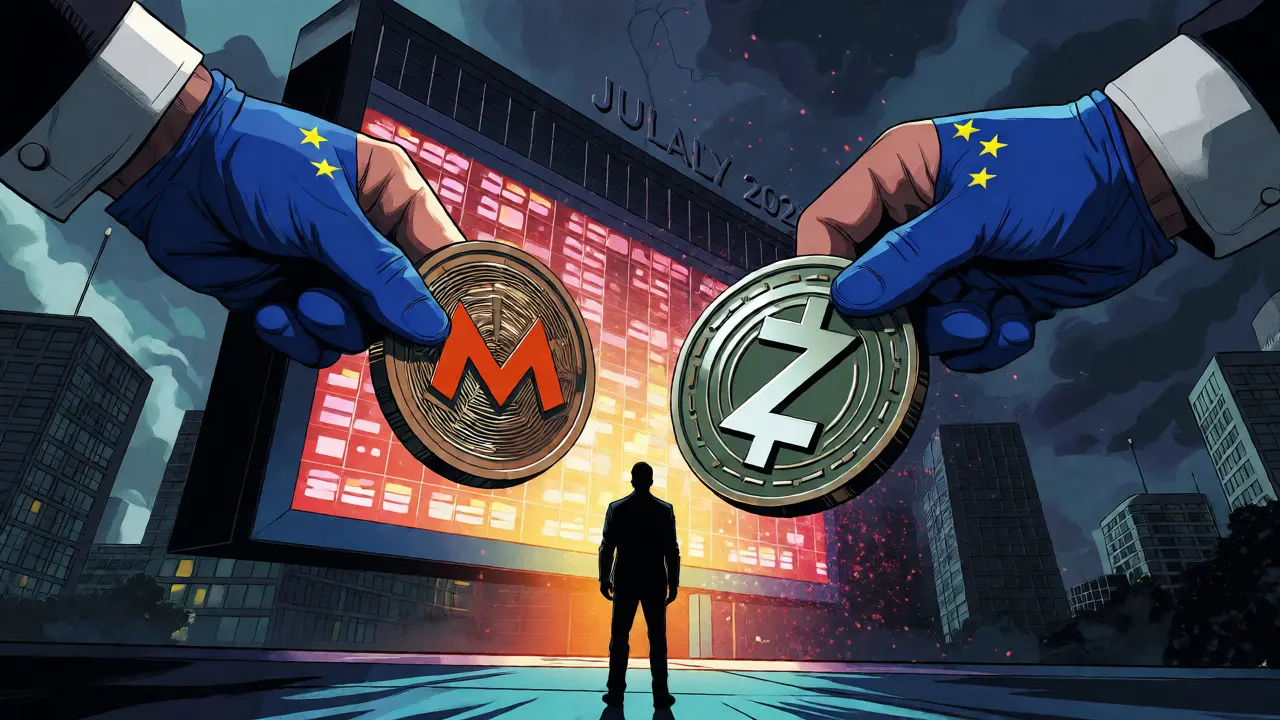
Imagine waking up in July 2027 to find that your favorite privacy-focused cryptocurrency is suddenly invisible on every major exchange you use. This isn't a hypothetical scenario; it is the scheduled reality for Monero and Zcash users within the European Union. The EU has finalized a sweeping anti-money laundering framework that effectively bans these assets from regulated platforms starting July 1, 2027. If you hold XMR or ZEC and live in Europe, you need to understand exactly what this means for your portfolio and where you can still trade.
The Core Regulation Behind the Ban
At the heart of this shift is Regulation 2024/1624, also known as the new Anti-Money Laundering Regulation (AMLR). Adopted in May 2024, this legislation aims to protect the EU financial system by eliminating tools used for illicit finance. The critical component here is Article 79, which prohibits credit institutions, financial institutions, and Crypto-Asset Service Providers (CASPs) from handling anonymous accounts or privacy-preserving digital assets. This isn't just about trading; it's about the entire ecosystem. Any platform operating under the Markets in Crypto-Assets (MiCA) framework must cease offering services for coins that obscure transaction data.
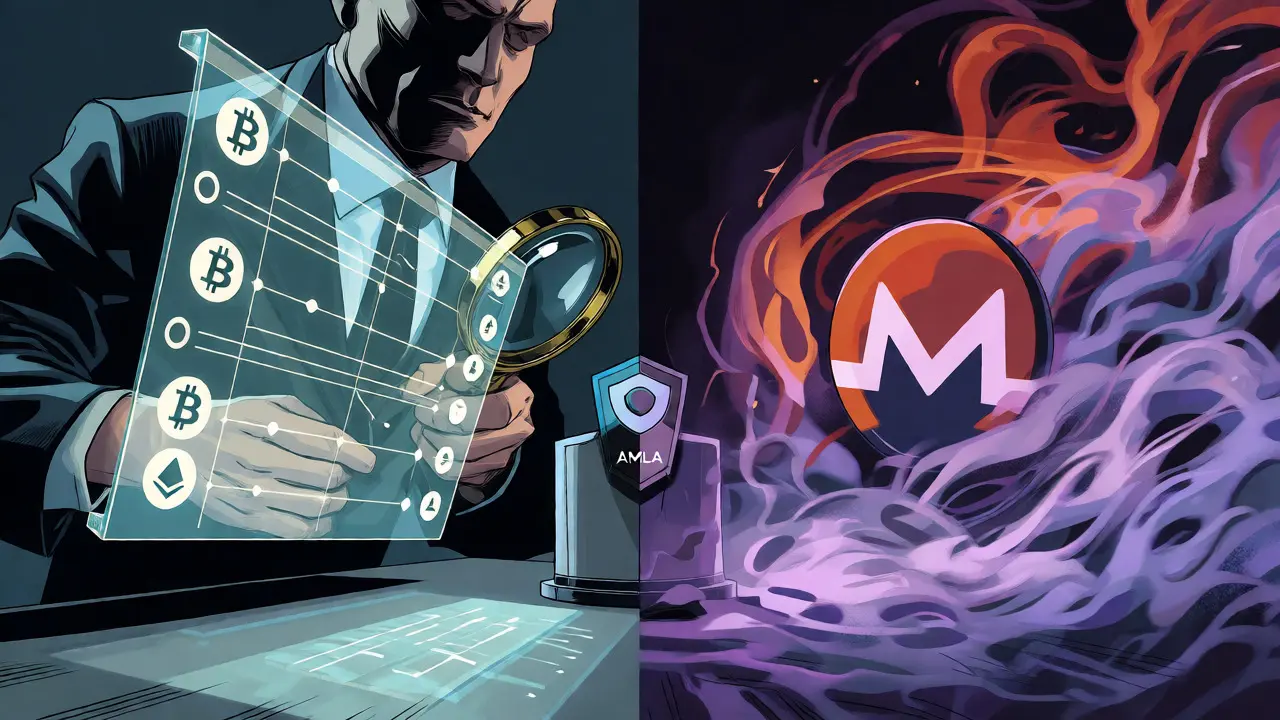
Why target these specific coins? Regulators argue that features like ring signatures in Monero and zero-knowledge proofs in Zcash make it impossible to trace suspicious transactions. While Bitcoin and Ethereum allow auditors to follow the money, privacy coins break that chain. The EU views this opacity as an unacceptable risk for money laundering and terrorist financing. Consequently, any CASP wanting to stay licensed in the EU must drop support for these anonymity-enhancing coins before the deadline hits.
Who Is Affected and What You Must Do
It is crucial to distinguish between holding and trading. The regulation does not criminalize individual possession of Monero or Zcash. You can still own them. However, the ability to buy, sell, or swap them through EU-regulated exchanges will vanish. Major players like Kraken, Coinbase, and Bitpanda, which operate under MiCA licenses, will likely delist these pairs. If you currently keep your XMR on an EU-based exchange, you face a choice: withdraw to a self-custody wallet or move to a non-EU jurisdiction.
| Action | Status Post-July 2027 | Required Step |
|---|---|---|
| Holding in Self-Custody Wallet | Allowed | None; ensure private keys are secure. |
| Trading on EU Exchange | Prohibited | Withdraw funds before delisting date. |
| Buying via Bank Transfer (SEPA) | Limited | Use P2P or non-EU exchanges. |
| Using Decentralized Exchanges (DEX) | Complex | Depends on DEX interface location and KYC requirements. |
The Role of AMLA and Enforcement
You might wonder who actually enforces this. Enter the Anti-Money Laundering Authority (AMLA). This new supervisory body begins monitoring the largest crypto firms serving tens of thousands of customers or processing over €50 million in transactions. Initial oversight targets approximately 40 major firms, creating a tiered supervision system. The European Banking Authority (EBA) translates broad rules into enforceable standards, ensuring uniform application across all 27 member states. There is no gray area here: if a firm wants to serve EU clients, it must comply with the transparency mandates, which exclude privacy coins.
Industry experts have called this inevitable. As noted by analysts at bitcoinblog.de, anonymous cryptocurrencies stand in stark contradiction to standard AML rules. Transparent cryptocurrencies fit well into regulation because their transactions are traceable. Privacy coins pose a headache for lawmakers who cannot see the flow of funds. The European Crypto Initiative (EUCI) has published an AML Handbook to help firms stay compliant, acknowledging that resistance is futile. The broader framework is final, meaning technical details may change, but the core prohibition on privacy coins will not be reversed.
Market Implications and Price Volatility
The EU represents one of the world's largest cryptocurrency markets. Losing access to regulated exchanges there creates significant market contraction for Monero and Zcash. We have already seen price volatility as traders anticipate the 2027 deadline. Some investors panic-sell, while others accumulate in anticipation of scarcity outside the EU. However, remember that this ban only affects EU-based service providers. It does not stop global demand. Activity may shift to jurisdictions outside EU control, creating regulatory arbitrage opportunities.
For developers and projects, this signals a bifurcation in the crypto economy. One side aligns with traditional finance, prioritizing compliance and traceability (like Bitcoin). The other side retains radical privacy but faces restricted access in major Western economies. Projects relying solely on EU volume for liquidity will struggle. Those with strong communities in Asia, Latin America, or North America may remain resilient. If you are investing in privacy tech, consider whether the asset has global utility beyond European retail traders.

Strategic Moves for Holders
So, what should you do right now? First, audit your holdings. Check which exchanges list your privacy coins. Second, plan your exit strategy from EU-regulated platforms. Withdrawing to a hardware wallet like Ledger or Trezor ensures you retain custody regardless of exchange policies. Third, explore decentralized alternatives. While many DEXs require KYC, some offer peer-to-peer options that might remain accessible, though this landscape is evolving rapidly.
- Self-Custody: Move assets to wallets where you control the keys. This removes reliance on centralized intermediaries.
- Non-EU Exchanges: Consider platforms based in Switzerland, Singapore, or Dubai that may continue supporting privacy coins for international clients.
- P2P Trading: Platforms like Bisq or LocalMonero facilitate direct trades without a central intermediary, potentially bypassing some CASP restrictions.
- Tax Compliance: Keep detailed records. Even if trading becomes harder, tax authorities still expect accurate reporting of gains and losses.
Global Ripple Effects
This EU move sets a precedent. Other major jurisdictions often follow the EU’s lead on financial regulation. If the US or UK adopts similar strictures, the market for privacy coins could shrink further. Conversely, countries with looser regulations might become hubs for privacy coin activity. Keep an eye on how the United States Treasury Department handles mixers and privacy protocols, as their approach will heavily influence global sentiment.
The long-term viability of privacy coins in major markets remains uncertain. Regulators worldwide prioritize transaction transparency. The EU’s 2027 ban is the most significant challenge yet, but it is not the end of the story. It forces a reevaluation of what privacy means in a digital age. Is it worth losing convenience for absolute anonymity? For some, yes. For others, the hassle of navigating restricted exchanges outweighs the benefits. Your answer depends on your risk tolerance and philosophical stance on financial freedom.
Will I lose my Monero if I leave it on an EU exchange?
No, you won't lose your coins. However, the exchange will likely delist the pair, meaning you cannot trade them. You must withdraw them to a personal wallet or a non-EU platform before the delisting date to maintain access.
Does the ban apply to all cryptocurrencies?
No, it specifically targets "anonymity-enhancing coins" like Monero, Zcash, and Dash. Transparent cryptocurrencies like Bitcoin, Ethereum, and stablecoins remain fully tradable on EU-regulated platforms.
Can I still buy Monero in the EU after 2027?
You cannot buy it through EU-regulated exchanges (CASPs). You may still purchase it via Peer-to-Peer (P2P) networks or decentralized exchanges that do not fall under the strict CASP definition, though availability may decrease.
What is AMLA?
The Anti-Money Laundering Authority (AMLA) is a new EU supervisory body tasked with overseeing the largest crypto firms to ensure they comply with the new transparency and anti-anonymity regulations.
Is holding Zcash illegal in the EU?
Holding Zcash is not illegal. The regulation restricts service providers from offering trading and custody services for it. Individual ownership and self-custody remain legal activities.