Blockchain Social Media: How Web3 Communities Really Work
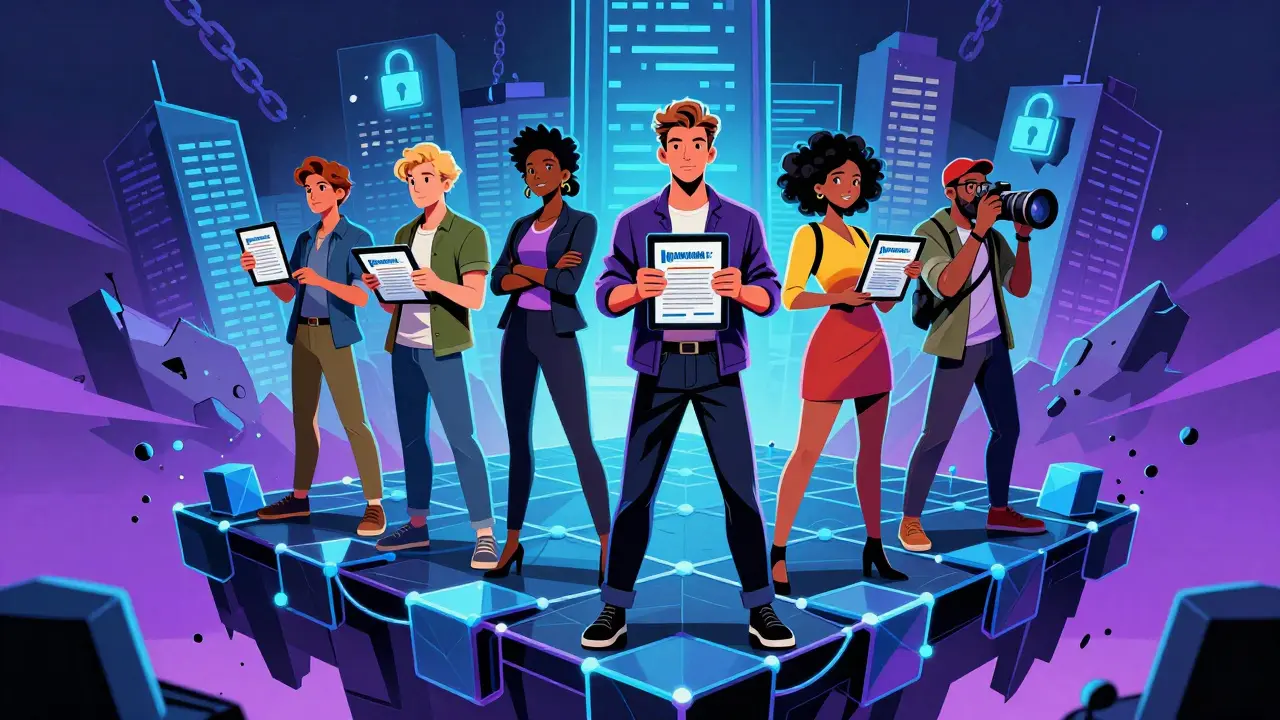
When you hear blockchain social media, a type of online platform where users own their data, content, and sometimes earn crypto rewards through participation. Also known as decentralized social networks, it's not just Twitter with tokens—it's a complete shift in who controls the conversation. Most people think it’s about posting memes and getting free crypto. But the real difference is ownership. On traditional platforms, your posts, followers, and engagement belong to the company. On blockchain social media, you hold the keys. That’s why projects like Lens Protocol, Farcaster, and Mastodon with crypto integrations are gaining traction—not because they’re flashy, but because they give power back to users.
What makes this space messy is how many fake communities exist. You’ll see Telegram groups claiming to be "official" for a new token, but if there’s no public ledger, no verified creator, and no way to prove you’re not just another bot, it’s not blockchain social media—it’s a scam trap. Real Web3 communities use token-gated access. You don’t just join; you prove you hold a specific NFT or token. That’s how projects like CyberConnect and Rally.io keep trolls out and reward real contributors. These aren’t just chat rooms—they’re economies. People earn by posting, moderating, or curating content, and get paid in native tokens. Some even build reputations that carry value across platforms.
But here’s the catch: most of these platforms still feel clunky. If you’ve used Instagram or Discord, you know how smooth it should be. Blockchain social media often sacrifices ease for control. That’s why adoption is slow. The users who stick around are the ones who care more about ownership than likes. They’re the same people who use DeFi for yield, not because it’s easy, but because they believe in the system. And that’s why you’ll find so many posts here about airdrop scams and dead tokens—because in Web3, if you don’t verify everything, you lose everything.
What follows is a collection of real stories from the front lines. You’ll see how fake airdrops exploit trust in crypto communities, how token-gated forums turn into ghost towns, and why even big names like CoinMarketCap have been used to trick people. These aren’t hypotheticals. They’re cases where users lost money because they assumed a blockchain social media post meant legitimacy. You’ll also find examples of what works—like how DOGAMÍ built a real gaming community around NFT dogs, or how KALATA’s early airdrop created a loyal user base that lasted years. This isn’t about hype. It’s about learning what separates real decentralized networks from the noise.