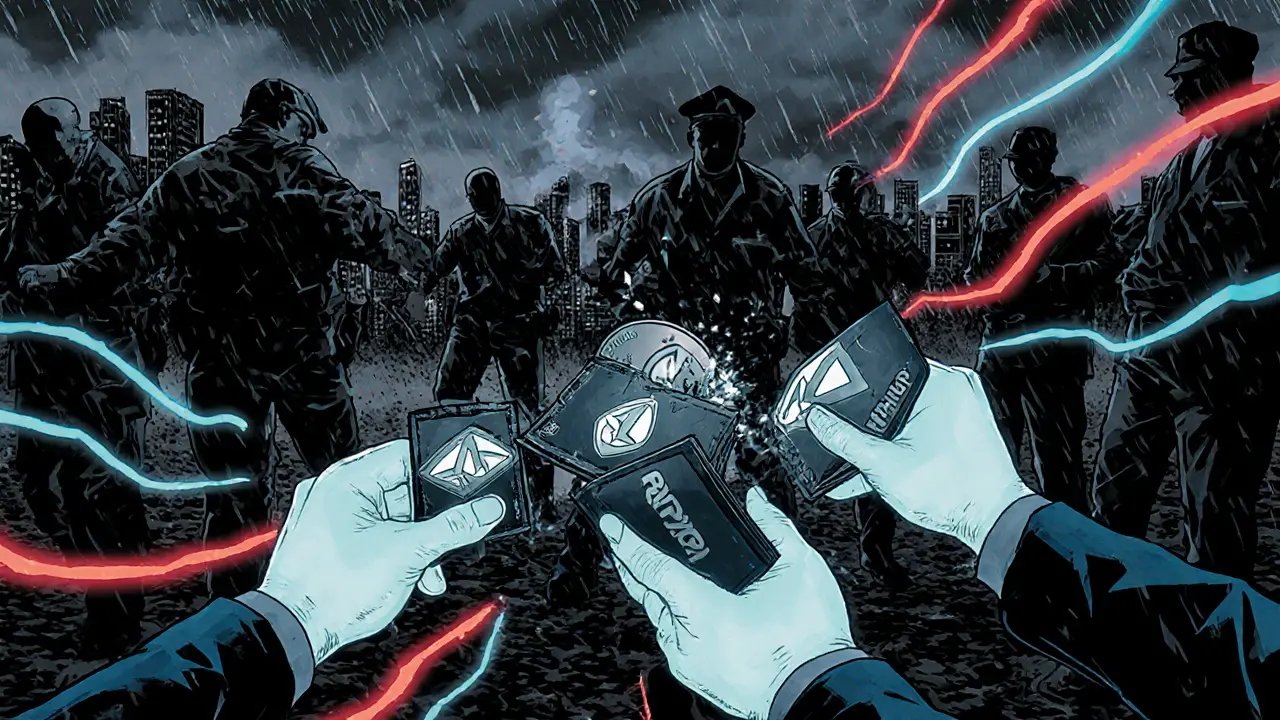
Canada Crypto Seizure: What Happened and What It Means for Your Holdings
When the Canada crypto seizure, a series of government actions to confiscate cryptocurrency assets tied to criminal activity. Also known as crypto asset forfeiture, it marks a turning point in how North American regulators treat digital currencies. These aren’t random raids—they’re targeted moves against scams, money laundering, and darknet market operations. In 2023 alone, Canadian authorities froze over $80 million in crypto linked to ransomware gangs and phishing schemes. The RCMP and FINTRAC didn’t just freeze wallets; they traced transactions across chains, seized private keys, and worked with exchanges to block withdrawals. This isn’t theoretical—it’s happening to real people who thought crypto was anonymous and untouchable.
What’s behind these seizures? A mix of rising crypto crime and new legal tools. Canada’s crypto regulation, the framework requiring exchanges to register, report transactions, and verify users. Also known as AML/KYC compliance, it now gives law enforcement direct access to transaction data from licensed platforms. If you used an unregistered exchange, sent funds to a flagged wallet, or received crypto from a scam, your assets are now at risk. The government doesn’t need a warrant to freeze funds if they’re tied to a known criminal entity. And once seized, recovery is nearly impossible without legal counsel. This isn’t just about big operators—small-time users who bought from shady airdrops or accepted payments from phishing sites have lost everything.
Related entities like crypto confiscation, the legal process of taking digital assets without the owner’s consent. Also known as asset forfeiture, it is growing globally, but Canada’s approach is unusually aggressive because of its centralized reporting system. Unlike the U.S., where state and federal agencies often work separately, Canada’s national framework means one agency can trigger a nationwide freeze. If you’re holding crypto on a Canadian-based exchange like Coinsquare or Bitbuy, your data is already in their system—and if flagged, your account could be locked overnight. Even if you didn’t do anything illegal, if your wallet was ever connected to a blacklisted address, you’re on the radar.
What does this mean for you? If you’re trading on unregulated platforms, chasing high-yield airdrops with no paper trail, or using mixers to obscure your history—you’re playing with fire. The Canada crypto seizure isn’t a warning—it’s proof that anonymity in crypto is a myth. The tools to trace, freeze, and take your assets are already in place. The only way to stay safe is to use licensed exchanges, keep records of every transaction, and avoid any crypto with no clear origin. Below, you’ll find real cases of how people lost their holdings, what regulators looked for, and how to avoid becoming the next headline.