DAO Governance: How Decentralized Communities Make Decisions
When you hear DAO governance, a system where token holders vote on decisions for a blockchain project without a CEO or board. Also known as decentralized autonomous organization governance, it’s how groups like Uniswap, Aave, and Compound actually run themselves—with code, tokens, and collective votes instead of top-down commands. This isn’t theory. It’s happening right now, and it’s changing how money and organizations work.
At its core, DAO governance relies on three things: tokens, voting, and execution. You hold tokens (like UNI or AAVE), you vote on proposals (like changing fees or spending treasury funds), and smart contracts carry out the result. No middleman. No approval needed from a company. If 60% of voters say yes, the change happens automatically. That’s the promise. But here’s the catch: not everyone votes. In many DAOs, less than 5% of token holders show up to vote, which means a small group ends up calling the shots. Some DAOs fix this with delegation—letting you assign your vote to someone you trust. Others use quadratic voting to give more weight to smaller holders. The goal? Fairness. The reality? It’s messy.
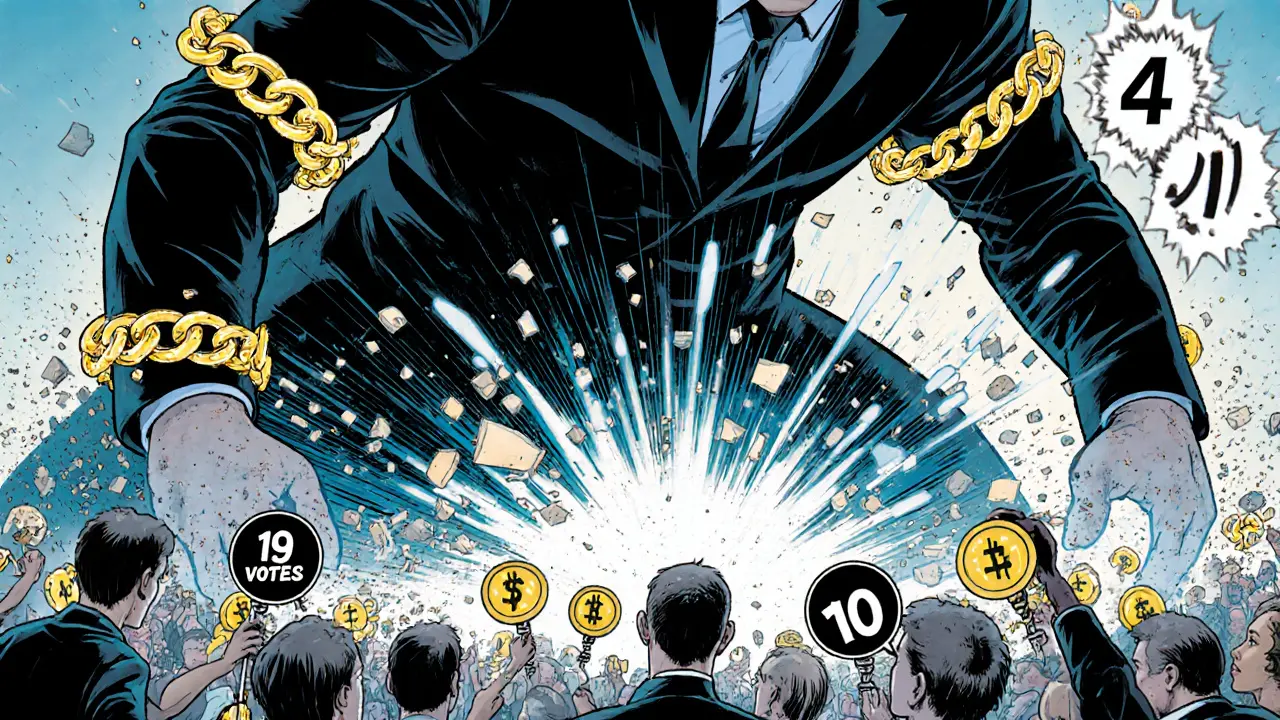
Blockchain voting isn’t just about governance. It’s tied to community decision-making in ways that traditional companies can’t match. Think of it like a town hall where everyone gets a say, but only if they own a piece of the town. That’s why you see DAOs funding developers, launching new products, or even buying real estate—all without a single manager signing off. But without clear rules, you get chaos. Some DAOs have no clear proposal process. Others have voting periods that last weeks, making them useless for urgent fixes. And then there’s the problem of whale voting: one person holding 10% of tokens can swing a vote. That’s why the best DAOs combine on-chain voting with off-chain discussion forums, like Discord or Snapshot, to build consensus before the vote even starts.
What you’ll find below are real examples of DAO governance in action—some working well, others failing hard. You’ll see how projects like Uniswap handle treasury votes, how Aave deals with emergency pauses, and why some tokens turn into voting power plays instead of tools for fairness. There’s no fluff. Just what’s actually happening in the wild, and what you need to know before you get involved.