Data Availability in Blockchain: Why It Matters for DeFi, DEXs, and Crypto Security
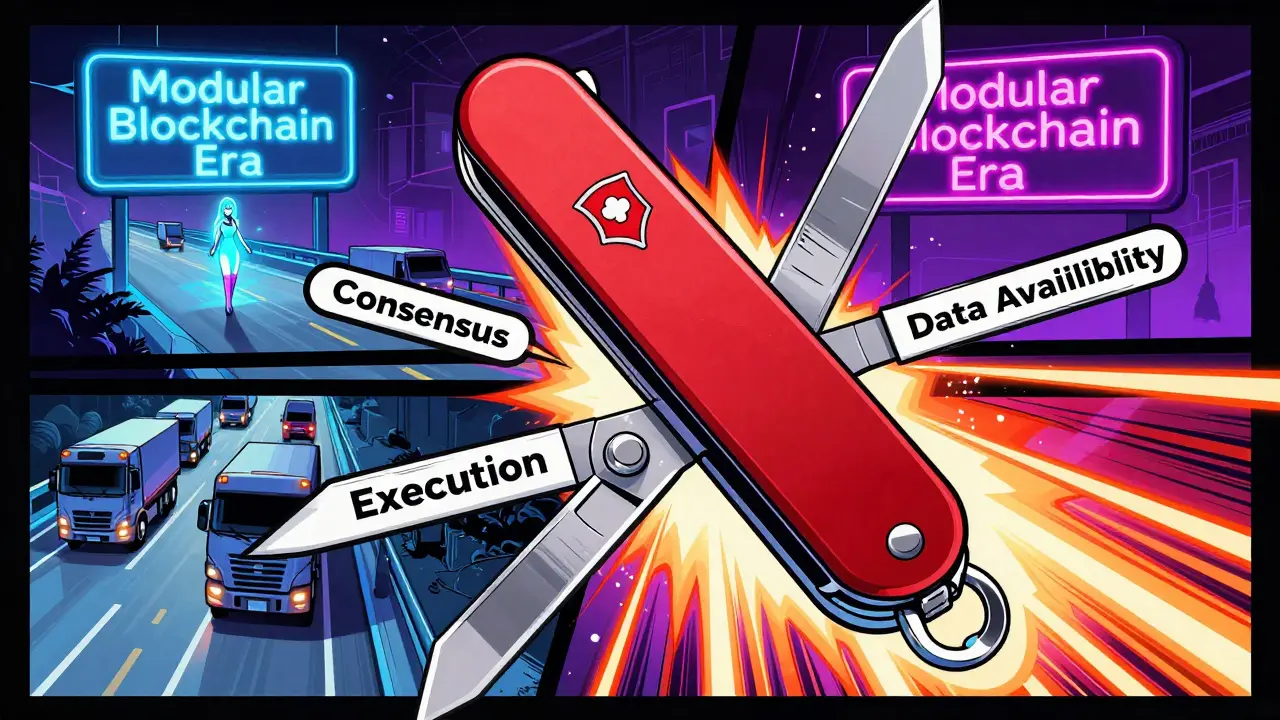
When you trade on a decentralized exchange, you assume your transaction will go through safely. But what if the data behind that trade never actually reached the network? That’s where data availability, the guarantee that all transaction data is published and accessible on the blockchain. It’s not just tech jargon—it’s the difference between a secure trade and a silent theft. Without data availability, rollups and Layer 2 chains can’t prove what happened. Even if your funds look safe, the system might be lying. This isn’t theoretical. It’s why projects like Kwenta and PulseX rely on it to keep fees low and trades fast.
Think of it like sending a letter without a return address. If the post office never records where it came from or what it said, anyone could claim they never received it. Decentralized exchanges, platforms that let you trade crypto without a middleman. It’s DEXs, and they need data availability to prove trades happened, even when they’re built on top of Ethereum or Base. If the data gets hidden, bad actors can fake withdrawals, drain liquidity pools, or create fake tokens like BIB or RUGAME that look real but have zero backing. That’s why scams like 1DOGE Finance and SecretSky.finance thrive—they exploit the gap between what users think is happening and what the chain actually records.
Some projects try to fix this with zero-knowledge proofs, a way to verify data without showing the data itself. It’s the same tech behind privacy-focused chains and secure voting systems. But ZKPs alone don’t solve data availability. You still need the data to be published. That’s why the most reliable DEXs—like Balancer v2 on Arbitrum or Kwenta on Optimism—combine both: they publish data openly and use proofs to verify it. If a project skips the publishing part, you’re trusting a black box.
You’ll see this theme repeat across the posts below: fake airdrops, dead tokens, risky exchanges. They all share one root cause—lack of transparency. Whether it’s a token with no trading volume like BIB, a staking promise that can’t be verified like SSF, or a shutdown exchange like TradeOgre, the real issue is often hidden data. The ones that survive? They make data availability non-negotiable. That’s what separates real innovation from noise. What follows isn’t just a list of crypto projects—it’s a guide to spotting where the data is truly available, and where it’s being kept secret.