Lens Protocol: What It Is and How It Powers Decentralized Social Media
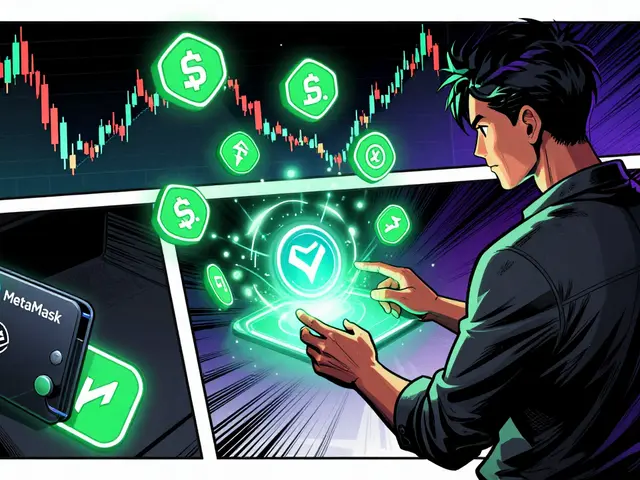
When you think of social media, you probably think of Facebook, Twitter, or Instagram — platforms that own your data, control your posts, and sell your attention. But Lens Protocol, a decentralized social graph built on Ethereum that lets users own their identity, content, and connections without relying on big tech. Also known as Web3 social, it turns your profile into a digital asset you can take anywhere — no gatekeepers, no bans, no ads. Unlike traditional apps, Lens doesn’t store your posts on a company’s server. Instead, your content lives on the blockchain, tied to your wallet. That means if you build a following on Lens, you own it — not a corporation.
Lens Protocol enables apps to plug into its network like apps on a phone. One app might let you post long-form essays, another might turn your posts into audio clips, and another could let you tip creators with crypto. All of them use the same user profiles, followers, and posts. This is why projects like Kwenta, a decentralized trading platform on Optimism, or Balancer v2, a customizable DeFi exchange on Arbitrum, can easily integrate social features. If someone shares a trade on Lens, anyone can follow them — and even copy their moves automatically. It’s not just social media. It’s social infrastructure.
But here’s the catch: while Lens Protocol itself is open and public, a flood of fake airdrops and scam tokens have cropped up pretending to be part of it. You’ll see claims like "Claim your Lens Protocol token" or "Get free LENS airdrop now" — but there’s no official LENS token airdrop. The real LENS token already exists and is used for governance on the protocol. Most of these fake claims are designed to steal your wallet keys. That’s why you’ll find posts here warning about 1DOGE Finance airdrop, SecretSky.finance, and Berry Data scams — they all use the same playbook. Real Web3 projects don’t ask you to connect your wallet to a random site for a free token. They reward you for using the product, not for clicking links.
What you’ll find below is a curated collection of deep dives into exactly these kinds of projects — the real, the fake, and the dangerously misleading. From how decentralized exchanges like PulseX work, to why tokenized stocks like PEPX are a trap, to why dead coins like BIB and RUGAME still show up on exchanges — this isn’t just about crypto. It’s about learning how to tell what’s real in a world full of noise. If you want to understand where social media is headed — and how to avoid losing your crypto to a scam that looks like a gift — you’re in the right place.