Privacy Coin Delisting: Why Exchanges Are Turning Away from Anonymous Crypto
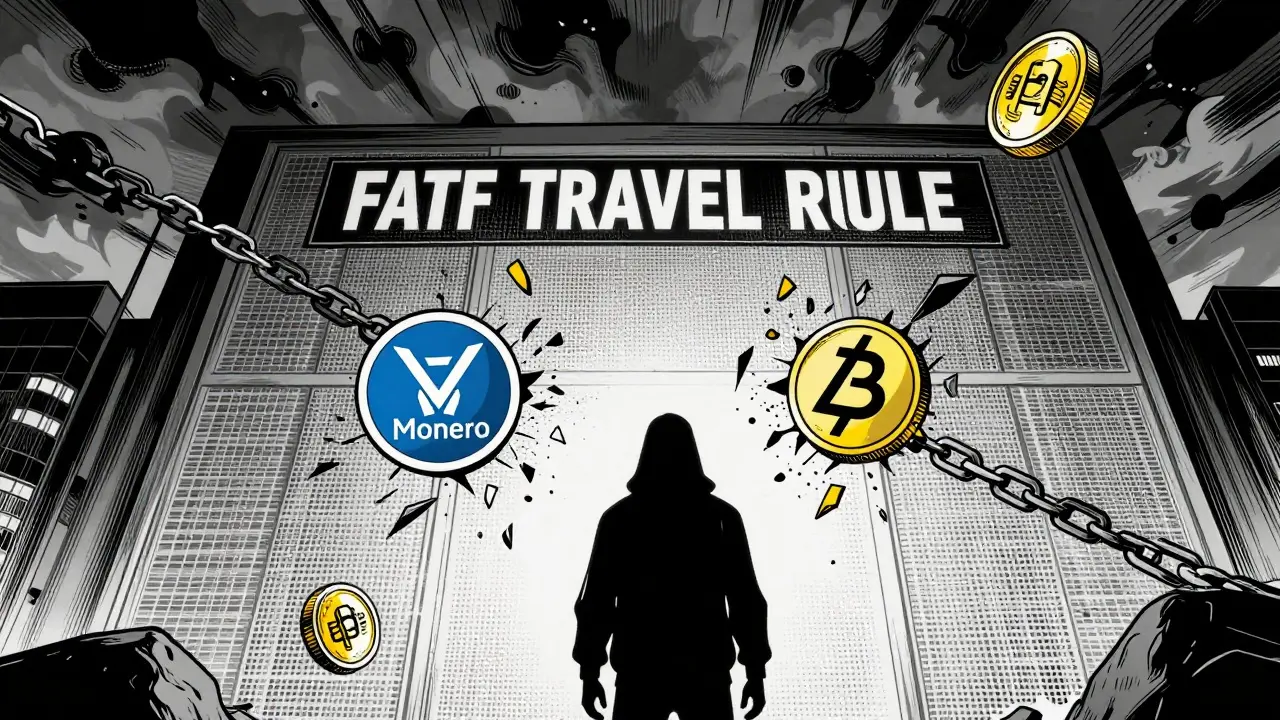
When an exchange removes a cryptocurrency, it’s usually a quiet move. But when it happens to a privacy coin, a type of cryptocurrency designed to hide transaction details like sender, receiver, and amount. Also known as anonymous crypto, it’s not just a technical change—it’s a signal that the industry is being forced to choose between privacy and regulation. Privacy coins like Monero, a blockchain that uses ring signatures and stealth addresses to obscure transaction data and Zcash, a coin that lets users choose between transparent and shielded transactions using zero-knowledge proofs were built to protect financial privacy. But as governments crack down on untraceable finance, exchanges are pulling the plug.
It’s not that privacy coins are illegal. In fact, using them isn’t against the law in most places. But regulators see them as high-risk tools for money laundering, tax evasion, and ransomware payments. That’s why exchanges like Binance, Kraken, and even smaller ones are quietly delisting them. The privacy coin delisting trend isn’t random—it’s a direct response to FATF guidelines, AML checks, and pressure from banks that refuse to process crypto transactions involving these coins. Even decentralized exchanges that pride themselves on being non-KYC are feeling the heat. When a major fiat gateway shuts down because it can’t clear trades involving Monero, the whole ecosystem feels it.
This isn’t just about compliance. It’s about survival. Exchanges that keep privacy coins risk losing banking relationships, facing fines, or even being shut down entirely. Canada’s $40 million seizure of crypto from TradeOgre—linked to Monero holdings—isn’t an outlier. It’s a warning. And for users? It means fewer places to trade these coins, tighter controls on wallets, and more scams pretending to offer "private" alternatives. But the real story isn’t just about bans. It’s about what happens when privacy and innovation collide with enforcement. The posts below dig into real cases: how delistings affected liquidity, why some privacy tokens vanished overnight, and how users are adapting—or getting burned.