SEC Nigeria crypto: What You Need to Know About Crypto Regulation in Nigeria
When it comes to SEC Nigeria crypto, the Securities and Exchange Commission of Nigeria’s stance on digital assets. Also known as Nigerian crypto regulation, it’s not just about rules—it’s about who controls your money and how much freedom you really have. Unlike the U.S. or EU, Nigeria’s approach has been messy, reactive, and often contradictory. One month, the Central Bank says crypto is banned. The next, the SEC says it’s not illegal, just unregulated. This back-and-forth isn’t confusion—it’s strategy. And it’s hurting everyday traders.
Behind the scenes, SEC Nigeria, the federal agency tasked with overseeing capital markets. Also known as Nigerian Securities and Exchange Commission, it has no clear framework for tokens, DeFi, or DEXs. But it does have power. In 2021, it issued warnings to platforms like Binance and Paxful, calling them unregistered. Then in 2023, it started requiring local exchanges to register as Digital Asset Service Providers. That’s a big deal. It means if you run a crypto exchange in Lagos, you now need government approval—or you’re breaking the law. But here’s the catch: most users don’t care. They still use Binance, Luno, and Peer-to-Peer apps because they work. The SEC can’t shut down a global platform just because it’s popular in Nigeria.
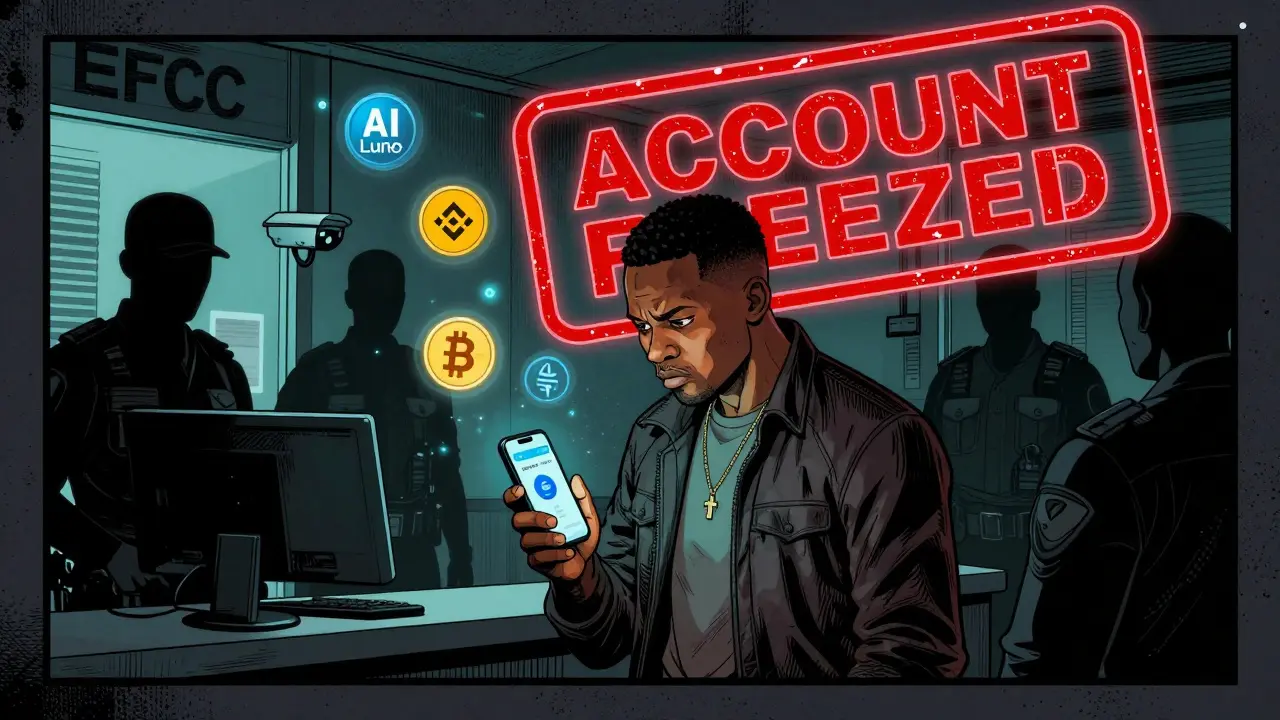
What’s missing? Clarity. There’s no official list of approved tokens. No clear rules on how to report crypto taxes. No guidance on whether airdrops or staking count as income. And no real enforcement against the biggest players. Meanwhile, small traders get fined for using unregistered wallets or get locked out of their accounts after a bank freeze. The crypto laws Nigeria, the patchwork of policies, warnings, and legal threats surrounding digital assets. Also known as Nigerian cryptocurrency regulations, it’s less about protecting investors and more about controlling cash flow. The real story isn’t in the headlines—it’s in the WhatsApp groups where people trade USDT for naira, or in the P2P trades that bypass banks entirely.
What you’ll find in the posts below isn’t theory. It’s real cases: exchanges that got shut down, airdrops that vanished, and tokens that were flagged by regulators. You’ll see how Nigerian traders adapt, what platforms still work, and which ones are walking a legal tightrope. This isn’t about whether crypto is good or bad. It’s about surviving in a system where the rules change overnight—and your money is on the line.