Supply Shock Theory: How Crypto Markets React to Sudden Supply Changes
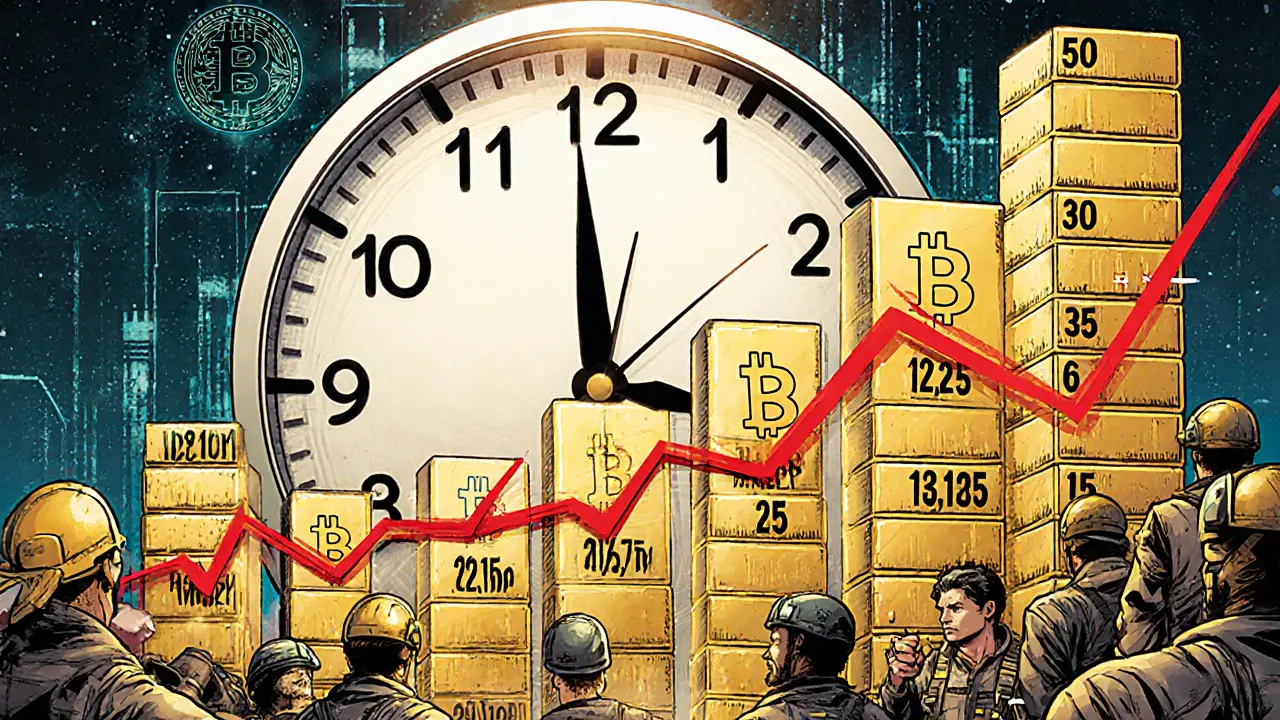
When the supply of something valuable suddenly drops—or spikes—prices don’t just adjust, they react. That’s the core of supply shock theory, an economic principle that describes how abrupt changes in the availability of a good or asset trigger price volatility. In crypto, this isn’t theoretical. It’s happening every time a major exchange gets shut down, a token’s circulating supply gets locked, or a project abandons its coin. Canada’s $40 million seizure of crypto from TradeOgre wasn’t just a raid—it was a supply shock. Those coins vanished from circulation, reducing available supply overnight. Meanwhile, airdrops like MTLX and CYT flooded wallets with new tokens, creating a temporary oversupply that crashed prices. Supply shock theory isn’t about speculation; it’s about tracking what actually moves in and out of the market.
Think of tokenomics, the design of a cryptocurrency’s economic system, including its supply schedule, distribution, and burn mechanisms. as the blueprint. Projects with fixed supplies—like Bitcoin’s 21 million cap—create predictable scarcity. But most altcoins? They’re messy. Some have huge initial supplies that never get locked. Others, like RUGAME or BOHR, have zero trading volume and no real circulation—so their supply is effectively dead, which is its own kind of shock. Then there’s the flip side: when a project like Mettalex gives away MTLX tokens for free, or OneRare drops NFTs to early users, you’re adding new supply to the ecosystem. That doesn’t always mean value goes up. Often, it means people sell immediately. That’s not a bug—it’s a feature of how supply shocks play out in real markets.
cryptocurrency scarcity, the perceived or actual limited availability of a digital asset. is what drives demand. But scarcity isn’t just about total supply—it’s about accessible supply. When BitWell vanished, users couldn’t withdraw. Those coins were still on the books, but they were locked up. That’s a hidden supply shock. When TradeOgre was raided, the seized coins weren’t destroyed—they were frozen. That’s still a reduction in liquid supply. And when state channels or Layer 2 solutions like those in Quicken or HyperPay Futures reduce on-chain activity, they indirectly affect how supply flows through the network. Supply shock theory doesn’t care about hype. It cares about what’s tradeable, what’s locked, and what’s gone. The posts below show you exactly how these shocks played out—from seized coins and dead tokens to airdrops that flooded the market. You’ll see how real events, not rumors, moved prices. No theory without data. No prediction without proof.