Unregulated Crypto Exchange: Risks, Scams, and What Really Happens
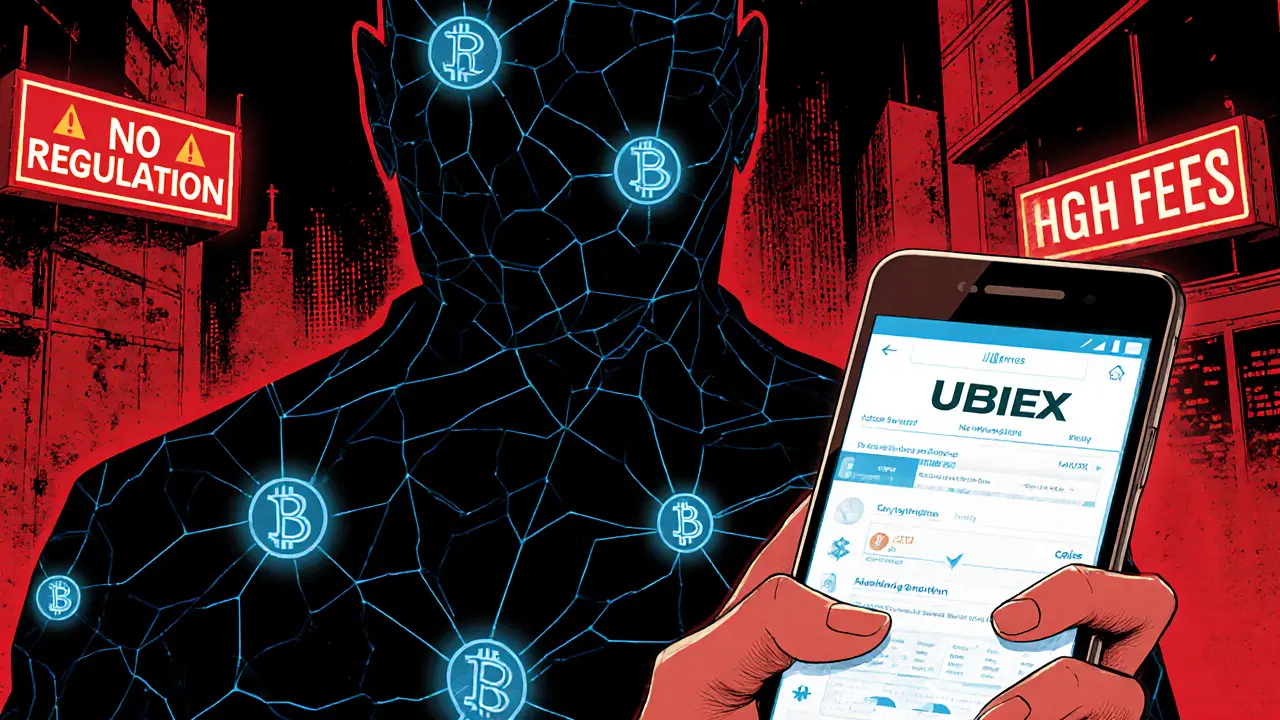
When you trade on an unregulated crypto exchange, a platform that doesn’t follow financial rules, collect user IDs, or report to authorities. Also known as non-KYC exchange, it lets you trade without proving who you are—but that freedom comes at a steep price. There’s no safety net. No insurance. No recourse if the site vanishes overnight.
Look at what happened to BitWell, a platform that promised low fees and DeFi tools but disappeared in 2024, locking users out of their funds. Or HyperPay Futures, a futures exchange flagged by multiple users for fake volume and blocked withdrawals. These aren’t rare cases. They’re the norm. Unregulated exchanges thrive on anonymity—not because they’re privacy-focused, but because they’re designed to disappear before anyone can ask questions. Canada’s $40 million seizure of TradeOgre, the largest unregulated exchange ever shut down in the country, proves regulators are catching up. But by then, it’s too late for most users.
What makes these platforms dangerous isn’t just the lack of rules—it’s the illusion of safety. They mimic real exchanges with clean interfaces, fake testimonials, and promises of high returns. But without audits, customer support, or legal accountability, they’re just digital storefronts with no back room. If you can’t find a clear team, a registered address, or a history of public audits, it’s not a DeFi platform—it’s a waiting room for a scam. And when the market turns, or when law enforcement knocks, they don’t shut down gracefully. They vanish.
That’s why the posts here focus on real cases: the exchanges that died, the airdrops that never happened, the tokens with zero trading volume. You won’t find fluff here. Just facts about who got burned, how they got fooled, and what to look for before you send your crypto anywhere. What follows isn’t a list of recommendations—it’s a warning system built from real failures. If you’re considering an exchange that doesn’t ask for your ID, ask yourself: why not? And who’s really behind it?