What is BabySwap (BABY)? A Guide to the BSC DEX and Token
You might have seen BabySwap (BABY) pop up on your crypto screen or heard friends talking about it. But what exactly is it? Is it just another meme coin, or does it actually do something useful?
BabySwap is a decentralized exchange (DEX) built on the Binance Smart Chain (BSC). It launched in June 2021 with a specific goal: to help new, "baby" crypto projects get off the ground. Unlike massive exchanges that only list big names like Bitcoin or Ethereum, BabySwap focuses on early-stage tokens, NFTs, and gaming assets.
If you are looking for a place to trade obscure tokens, earn yield through farming, or participate in new launches, BabySwap offers a niche but active ecosystem. Let’s break down how it works, the risks involved, and whether the BABY token is worth your attention in 2026.
How BabySwap Works as a Decentralized Exchange
To understand BabySwap, you first need to understand the concept of an Automated Market Maker (AMM). Traditional exchanges use an order book-buyers and sellers match orders manually. AMMs, like BabySwap, use liquidity pools.
Here is the simple process:
- Liquidity Providers: Users deposit pairs of tokens (for example, BABY and USDT) into a smart contract pool.
- Trading: When you want to swap tokens, you trade against this pool, not against another person directly.
- Fees: Every time a trade happens, a small fee is charged. This fee goes to the people who provided the liquidity.
BabySwap operates on the BNB Chain (formerly Binance Smart Chain). This is crucial because BNB Chain is known for fast transaction speeds and very low gas fees compared to Ethereum. If you try to do complex DeFi moves on Ethereum, you might pay $50 in gas fees. On BNB Chain via BabySwap, that same action might cost you less than $0.10.
A unique feature of BabySwap is its default routing. Many BSC exchanges force you to route trades through BNB or BUSD. BabySwap often uses USDT as the primary trading pair. For many traders, holding stablecoins like USDT feels safer and more convenient than holding volatile coins like BNB just to execute a swap.
The BABY Token: Supply and Utility
The native currency of the platform is the BABY token. It follows the BEP-20 standard, which means it is compatible with any wallet that supports BNB Chain, such as MetaMask or Trust Wallet.
Why does the BABY token exist? It serves several functions within the ecosystem:
- Trading Fees: While you can pay fees in other ways, holding BABY often grants discounts or benefits.
- Governance: Holders can vote on future developments, new listings, and platform changes.
- Staking Rewards: You can lock your BABY tokens in staking pools to earn more BABY or other partner tokens.
- NFT & Gaming: The token is used within the Baby Metaverse for buying digital assets and playing games.
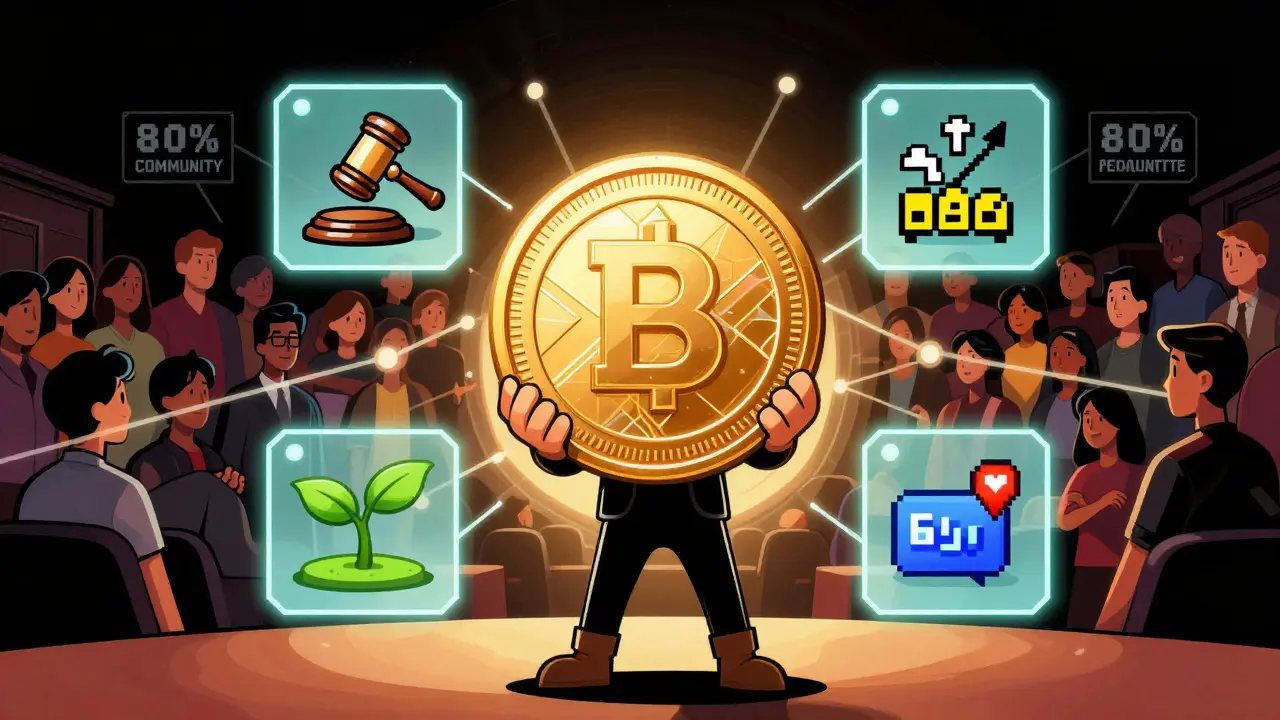
Let’s look at the numbers. The total maximum supply of BABY is 1,000,000,000 (one billion) tokens. The distribution looks like this:
| Purpose | Percentage |
|---|---|
| Community Members | 80% |
| Development | 10% |
| Partnerships & Marketing | 9% |
| Initial Liquidity Offering (ILO) | 1% |
The heavy allocation to the community (80%) suggests the project relies heavily on user participation rather than venture capital dumping. However, always check the current circulating supply, as inflation from staking rewards can affect price dynamics.
Price History and Volatility Warning
We need to be honest here. Crypto markets are brutal, and BabySwap has felt the heat. When BabySwap launched in mid-2021, it rode the wave of the broader crypto bull market. The BABY token reached an all-time high of approximately $2.99 in December 2021.
As of May 2026, the price hovers significantly lower, often between $0.0002 and $0.0003 depending on the data source. That represents a drop of nearly 100% from its peak. Does this mean the project is dead? Not necessarily. Many utility tokens crash during bear markets but remain functional. The key difference is that BabySwap still processes trades, hosts IDOs, and maintains its liquidity pools.
However, the price discrepancy across trackers is a red flag for beginners. One site might show $0.000317 while another shows $0.000207. This happens because liquidity is fragmented across different pools. Always check the actual pool depth on the BabySwap interface before making large trades, rather than relying solely on aggregator prices.
Key Features Beyond Simple Swapping
If BabySwap was just a swap tool, it would struggle against giants like PancakeSwap. Its survival comes from offering more than just trading.
Initial Dex Offerings (IDOs)
BabySwap acts as a launchpad for new projects. Developers bring their new tokens to BabySwap to gain initial visibility. As a user, you can participate in these IDOs to buy tokens before they hit the open market. This is high-risk, high-reward territory. Some IDOs moon; others rug pull. Due diligence is mandatory.
Yield Farming
You can provide liquidity to pairs like BABY-USDT or BABY-BNB. In return, you receive LP tokens. By staking these LP tokens, you earn additional BABY tokens as rewards. This is how passive income works in DeFi. Just remember: if the value of one token in the pair crashes, you suffer "impermanent loss," meaning you might have been better off just holding the tokens separately.
NFT Integration
The platform supports Non-Fungible Tokens. This allows artists and gamers to mint and trade digital collectibles directly on the BSC chain. The low fees make it viable to sell cheap NFTs, which isn’t possible on expensive networks like Ethereum.
Security and Risks: What You Need to Know
Using a DEX like BabySwap puts you in the driver’s seat. There is no customer support team to call if you send funds to the wrong address. Here are the critical security steps:
- Use a Hardware Wallet: While MetaMask is popular, connecting a Ledger or Trezor adds a layer of security against malware.
- Verify Contract Addresses: Never copy-paste a token address from a random Telegram message. Always get the official BABY contract address from the BabySwap website or CoinMarketCap.
- Understand Slippage: Because BABY is a small-cap token, large trades can cause slippage. Set your slippage tolerance appropriately (usually 0.5% to 1% for normal trades, higher for volatile IDOs).
- Gas Fees: You must hold BNB in your wallet to pay for transaction fees on the BNB Chain. If you run out of BNB, you cannot interact with BabySwap, even if you have plenty of BABY tokens.
Smart contracts are generally secure, but they are not immune to bugs. BabySwap has operated since 2021 without major catastrophic hacks, which is a positive sign. However, the DeFi space evolves rapidly. New vulnerabilities emerge constantly. Never invest money you cannot afford to lose.
How to Get Started with BabySwap
Ready to try it out? Here is the step-by-step process to connect and trade:
- Install a Wallet: Download MetaMask or Trust Wallet. Configure it to add the BNB Smart Chain network.
- Buy BNB: Purchase BNB on a centralized exchange (like Binance or Coinbase) and withdraw it to your MetaMask wallet address. Keep enough for gas fees.
- Visit BabySwap: Go to the official BabySwap website. Double-check the URL to avoid phishing sites.
- Connect Wallet: Click “Connect Wallet” and approve the connection request in your MetaMask popup.
- Import Tokens: If you don’t see BABY in your wallet, import the token using the official BEP-20 contract address.
- Swap or Stake: Navigate to the Swap tab to trade, or the Earn tab to start farming or staking.
Is BabySwap Right for You?
BabySwap is not for everyone. If you prefer the simplicity of buying Bitcoin on Coinbase and forgetting about it, stay away from DeFi platforms like this. BabySwap is for users who want control over their assets, enjoy experimenting with new tokens, and understand the mechanics of liquidity pools.
Its strength lies in its focus on emerging projects. If you believe in finding gems early, BabySwap provides the infrastructure. Its weakness is the inherent volatility of small-cap tokens and the complexity of self-custody. The massive price drop from its 2021 highs serves as a reminder: past performance does not guarantee future results.
In 2026, BabySwap remains a functional, community-driven hub on the BNB Chain. It may not be the biggest player, but for those interested in the intersection of DeFi, NFTs, and early-stage crypto investing, it offers a distinct playground.
Is BabySwap safe to use?
BabySwap is a non-custodial platform, meaning you control your funds. The smart contracts have operated since 2021 without major exploits. However, DeFi carries risks like smart contract bugs, phishing attacks, and impermanent loss. Always verify URLs and use strong security practices for your wallet.
What is the difference between BabySwap and PancakeSwap?
Both are DEXs on the BNB Chain. PancakeSwap is larger, more established, and lists major tokens. BabySwap focuses on newer, smaller projects and integrates more heavily with NFTs and gaming ecosystems. BabySwap may offer higher yields for risk-takers but has lower liquidity overall.
Do I need BNB to use BabySwap?
Yes. Since BabySwap runs on the BNB Chain, you need BNB to pay for gas fees (transaction costs). Even if you are swapping USDT for BABY, the network requires BNB to process the transaction.
Why is the BABY token price so low compared to 2021?
The crypto market experienced a significant bear cycle after 2021. Most altcoins, especially small-cap ones like BABY, saw drastic price reductions. Additionally, token inflation from staking rewards increases the circulating supply, which can dilute price if demand doesn't keep pace.
Can I use BabySwap on mobile?
Yes. You can access BabySwap through a mobile browser connected to a wallet like Trust Wallet or MetaMask Mobile. Ensure you have added the BNB Smart Chain network settings to your mobile wallet.