What is Costco Tokenized Stock (COSTon) on Ondo? Explained
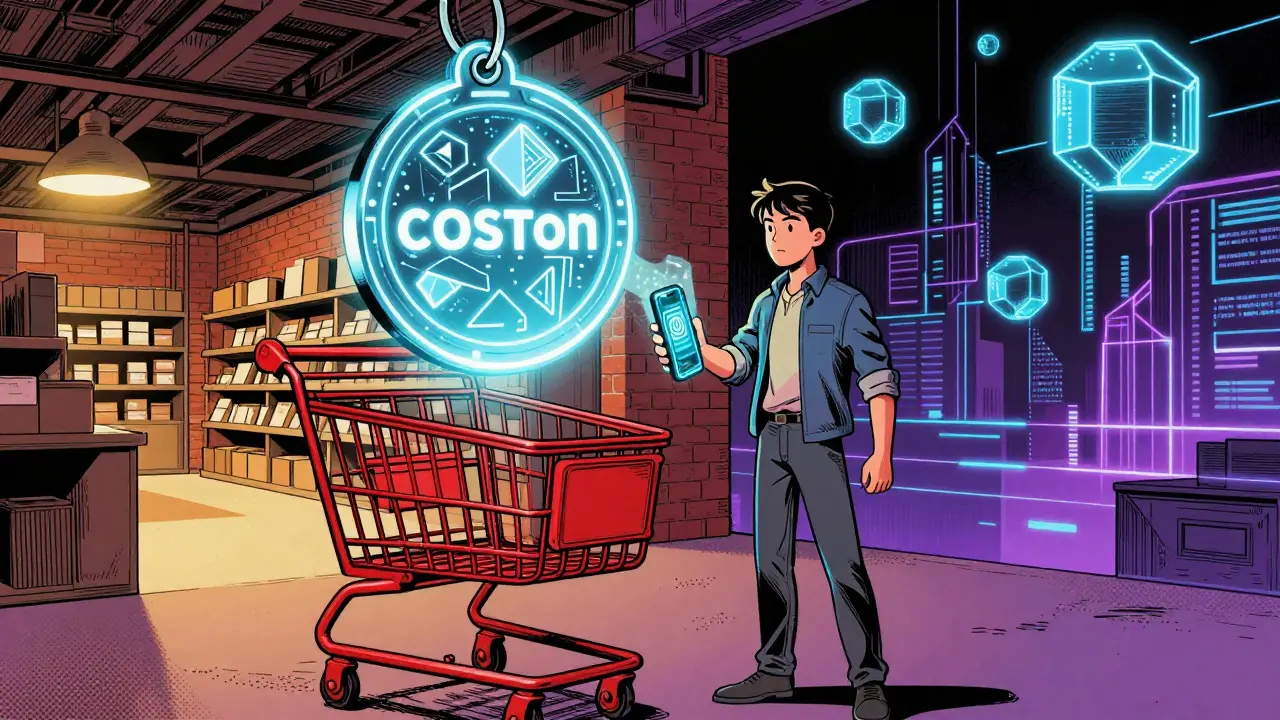
Imagine buying a slice of Costco Wholesale without opening a brokerage account. That is the promise behind COSTon, a blockchain-based token representing ownership in Costco stock created by Ondo Finance. It trades on the Ethereum network and aims to give crypto users exposure to one of the world's largest retailers while keeping everything inside the decentralized finance (DeFi) ecosystem.
But here is the catch: COSTon is not like Bitcoin or Ethereum. Its value doesn't come from speculation alone; it tracks the price of actual Costco shares. This makes it a Real World Asset (RWA) token, a niche sector that is growing fast but remains confusing for many investors. If you are wondering whether this is a smart investment or just a tech experiment, you need to understand how it works, the risks involved, and why the data looks so messy right now.
Key Takeaways
- COSTon is an ERC-20 token on Ethereum that mirrors the economic performance of Costco (COST) stock.
- It is issued by Ondo Finance, a platform focused on bringing traditional assets onto blockchain networks.
- Liquidity is extremely low, with daily trading volumes often under $5,000, leading to significant price discrepancies across exchanges.
- The token automatically reinvests dividends, distinguishing it from standard stock holdings where cash might be paid out separately.
- Regulatory uncertainty and counterparty risk remain major concerns for holding tokenized equities.
How COSTon Works: The Mechanics Behind the Token
To understand what you are actually buying, look at the structure. COSTon operates as an ERC-20 token, which is the standard protocol used for most cryptocurrencies on the Ethereum blockchain. The contract address is 0x0c8276e4fec072cf7854be69c70f7773d1610857. When you hold this token, you don't own a physical share of Costco in your name. Instead, you hold a digital receipt that represents a claim on the underlying asset managed by Ondo Finance.
The core function is simple: if Costco's stock goes up, COSTon should go up. If it goes down, COSTon follows suit. However, there is a specific twist regarding dividends. Unlike traditional brokerages where you might receive a quarterly check or direct deposit, COSTon is designed to automatically reinvest any dividends into the token itself. This means the Net Asset Value (NAV) per token theoretically grows over time, compounding your return within the single asset rather than creating separate cash flows you have to manage.
This setup bridges two worlds. On one side, you have the stability and proven earnings of a retail giant like Costco. On the other, you have the flexibility of DeFi. You can trade COSTon 24 hours a day, seven days a week, without waiting for the New York Stock Exchange to open. You can also potentially use these tokens in other DeFi protocols, such as providing liquidity or using them as collateral, features that traditional stocks rarely offer directly.
Market Data and Liquidity: Why the Numbers Look Weird
If you search for COSTon price data, you will likely see conflicting numbers. This isn't a glitch; it's a symptom of the token's current state. As of late 2025 and early 2026, the market capitalization of COSTon has hovered around the $500 to $1 million range, depending on the source. Some platforms report a total supply of less than 1 token, while others show over 1,000 tokens. These inconsistencies arise because the token is still in its nascent stages, and data aggregators struggle to track such small, illiquid assets accurately.
Let's look at the liquidity, which is the most critical factor for any trader. Liquidity refers to how easily you can buy or sell an asset without significantly affecting its price. For COSTon, liquidity is scarce. Recent data shows 24-hour trading volumes ranging from $4,000 to $20,000. Compare that to major cryptocurrencies like Bitcoin, which trade billions of dollars daily. With such low volume, even a small sell order can push the price down sharply, and a small buy order can spike it up. This creates "slippage," where you get a worse price than expected when executing a trade.
| Feature | COSTon (Tokenized) | Traditional COST Stock |
|---|---|---|
| Trading Hours | 24/7 via Crypto Exchanges | Market Hours (NYSE) |
| Liquidity | Low ($4k-$20k daily volume) | High (Billions daily volume) |
| Dividends | Auto-reinvested into NAV | Cash payout or DRIP option |
| Access Requirement | Crypto Wallet + KYC (often) | Brokerage Account |
| Price Stability | High volatility due to low liquidity | Stable, reflects true market value |
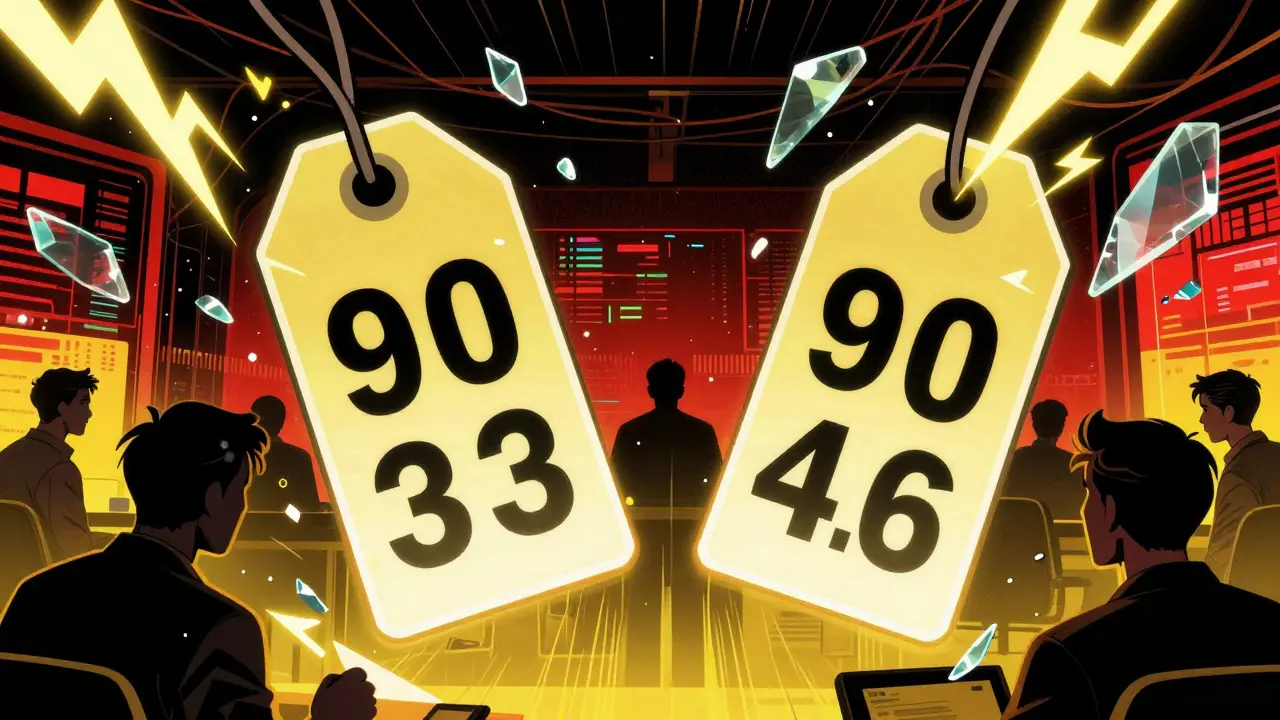
Because of this low liquidity, you might see COSTon priced at $916 on one exchange and $971 on another. In a mature market, arbitrageurs would quickly close this gap. Here, the effort required to move funds between chains or exchanges often outweighs the profit from the price difference. This means you must be careful about where you trade, as the venue you choose directly impacts your entry and exit price.
Risks: What Could Go Wrong?
Investing in tokenized stocks introduces new layers of risk that don't exist when buying shares through Fidelity or Schwab. The biggest concern is counterparty risk. Since you don't own the stock directly, you are relying on Ondo Finance to correctly manage the underlying assets. If Ondo fails, gets hacked, or faces legal trouble, your tokens could lose value regardless of how well Costco performs. You are trusting a third party to do their job correctly every single day.
Regulatory risk is the second major hurdle. The Securities and Exchange Commission (SEC) in the US and similar bodies globally are still figuring out how to classify tokenized securities. Will they treat COSTon exactly like a stock? Or will they view it as a security requiring strict registration? A sudden regulatory crackdown could freeze trading or force restructuring, impacting the token's accessibility. While Ondo aims for compliance, the landscape is shifting rapidly, and clarity is not guaranteed.
Finally, there is the technology risk. Smart contracts can have bugs. Although rare, if the code governing COSTon has a flaw, it could lead to incorrect dividend calculations or even loss of funds. Additionally, because the token lives on Ethereum, you are exposed to network fees (gas costs). During times of high network congestion, transferring your tokens or swapping them for stablecoins can cost more than expected, eating into potential profits.
Who Is This Actually For?
Given the complexities, who benefits from holding COSTon? It is not for the average retail investor looking for a safe, easy way to own Costco stock. If you want simplicity, a traditional brokerage account is far superior. You get higher liquidity, lower transaction costs, and clearer regulatory protection.
COSTon is primarily useful for three types of users:
- DeFi Enthusiasts: Those who already live in the crypto space and want to diversify into real-world assets without leaving their wallet.
- Global Investors: People in countries with limited access to US stock markets or high barriers to entry for foreign investors.
- Speculators: Traders betting on the growth of the RWA sector itself, viewing the token as a play on the adoption of tokenization technology rather than just Costco's stock price.

Getting Started: Practical Steps
If you decide to explore COSTon, the process is more complex than buying a meme coin. First, you need a compatible wallet, such as MetaMask, that supports ERC-20 tokens. Next, you need to find a venue where COSTon is listed. Platforms like Crypto.com and Coinbase have shown listings, but availability can change. You may also need to complete Know Your Customer (KYC) checks, as many tokenized securities require identity verification to comply with regulations. Once you have access, keep your position size small. Because liquidity is thin, try not to buy or sell large amounts at once. Split your orders to minimize slippage. Also, monitor the Net Asset Value (NAV) reported by Ondo Finance regularly. If the market price of COSTon drifts too far from the official NAV, it might indicate a liquidity issue or a bug, signaling a good time to exit or wait.
Frequently Asked Questions
Is COSTon the same as buying Costco stock?
Not exactly. COSTon provides economic exposure to Costco stock, meaning it should track the price movements. However, you do not hold the shares directly in your name; you hold a token issued by Ondo Finance. This adds a layer of counterparty risk and technical complexity compared to traditional stock ownership.
Why is the price of COSTon different on different websites?
The discrepancy is due to low liquidity. When few people are trading an asset, prices can vary significantly between different exchanges or data providers. There isn't enough constant trading activity to keep all prices perfectly aligned in real-time.
Do I pay taxes on COSTon dividends?
Tax treatment depends on your jurisdiction. Since dividends are automatically reinvested into the token's value, they may be treated as capital gains when you sell the token, or as ordinary income when distributed, depending on local laws. It is advisable to consult a tax professional familiar with crypto assets.
Can I use COSTon as collateral in DeFi?
Potentially, but support is limited. Not all DeFi protocols accept tokenized stocks as collateral. You need to check if the specific lending or liquidity pool you want to use explicitly lists COSTon as an accepted asset before attempting to use it.
What happens if Ondo Finance shuts down?
This is the primary counterparty risk. If Ondo fails to manage the underlying assets properly, the tokens could lose value or become difficult to redeem. While Ondo is a reputable project, always assess the financial health and legal standing of the issuer when dealing with tokenized real-world assets.