XCAD DEX Review: How to Trade XCAD Tokens Safely in 2026
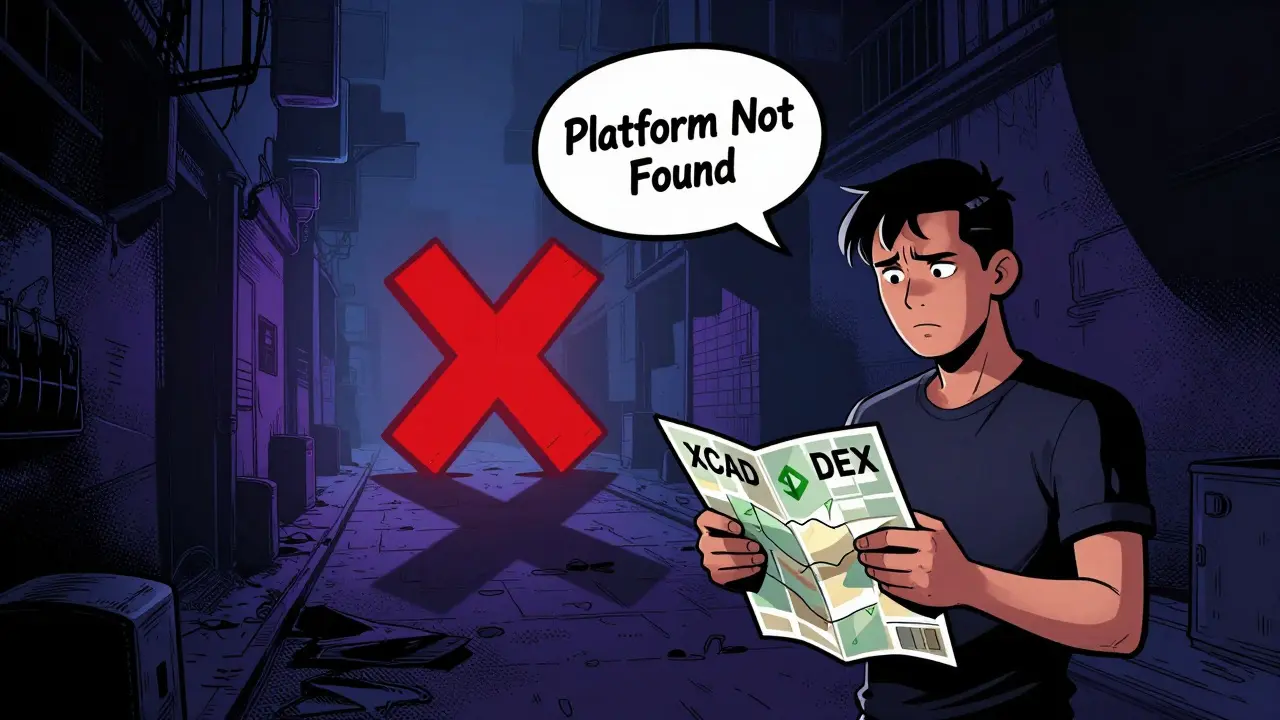
There is a common misconception circulating in the crypto community right now. Many users are searching for a platform called "XCAD DEX," expecting to find a dedicated, standalone exchange built specifically for the XCAD Network, a blockchain project focused on digital identity and data ownership. The reality? That platform doesn't exist as a separate entity. If you are looking to buy, sell, or swap XCAD tokens, you aren't going to a specific "XCAD Exchange." Instead, you are interacting with established decentralized exchanges (DEXs) that support the token. Understanding this distinction is crucial because it changes how you trade, how you manage risk, and which tools you need.
This review isn't about a single app; it's about the ecosystem where XCAD lives. We will break down exactly how to acquire these tokens, which decentralized platforms like PancakeSwap is a leading decentralized exchange on the BNB Chain known for low fees and high liquidity or SushiSwap is a multi-chain decentralized exchange offering swapping, staking, and lending features handle the transactions, and what pitfalls you must avoid when dealing with cross-chain swaps. By the end of this guide, you'll know precisely how to execute a trade without losing funds to smart contract errors or phishing scams.
Key Takeaways
- No Standalone Platform: There is no official "XCAD DEX." You must use third-party decentralized exchanges to trade XCAD tokens.
- Cross-Chain Complexity: Trading often requires bridging assets between different blockchains (e.g., Ethereum to BNB Chain), necessitating careful gas fee management.
- Top Venues: PancakeSwap and SushiSwap are the primary venues for XCAD liquidity, offering lower fees than traditional centralized exchanges.
- Safety First: Always verify smart contract addresses via Etherscan or BscScan to avoid fake tokens and phishing attacks.
- Volatility Warning: XCAD price predictions for 2026 suggest potential growth but remain highly speculative and subject to market volatility.
Understanding the XCAD Trading Landscape
To trade XCAD effectively, you first need to understand its structure. XCAD is not just a coin; it is a utility token within the XCAD Network ecosystem. This network aims to revolutionize how personal data is managed and monetized. Because it operates on specific blockchain infrastructures, it cannot be traded on every platform indiscriminately. Unlike Bitcoin or Ethereum, which have universal recognition across almost all exchanges, niche tokens like XCAD rely on liquidity pools provided by decentralized finance (DeFi) protocols.
When people search for an "XCAD DEX review," they are essentially asking, "Where can I safely swap my ETH or BNB for XCAD?" The answer lies in aggregators and major DEXs. These platforms don't hold your money; they facilitate peer-to-peer trades through automated market makers (AMMs). This means your trade is executed against a pool of funds rather than another individual user directly. This model offers privacy and speed but introduces new responsibilities for the trader, such as managing wallet connections and approving smart contracts.
The lack of a dedicated exchange means you lose some conveniences found on centralized platforms like Coinbase or Binance, such as customer support chatbots or fiat on-ramps directly integrated into the token page. However, you gain control over your private keys and access to potentially better prices if you know how to navigate slippage and gas fees correctly.
How to Buy and Swap XCAD Tokens
The process of acquiring XCAD is technical but manageable if you follow a strict workflow. Most users start with a self-custody wallet like MetaMask is a popular cryptocurrency wallet and gateway to blockchain apps, allowing users to manage assets and interact with dApps. Here is the step-by-step logic for a typical trade:
- Acquire Base Currency: You cannot usually buy XCAD directly with USD. You need a base currency like ETH (Ethereum) or BNB (Binance Coin). Purchase these on a reputable centralized exchange (CEX) like Bit2Me, Kraken, or Coinbase.
- Transfer to Wallet: Send your ETH or BNB to your MetaMask wallet address. Remember to pay the network withdrawal fee from the CEX. Ensure you select the correct network (ERC-20 for ETH, BEP-20 for BNB).
- Connect to DEX: Navigate to a supported decentralized exchange. For BNB-based XCAD, PancakeSwap is the standard. For Ethereum-based interactions, SushiSwap or Uniswap may be relevant depending on the token's deployment.
- Select Token Pair: In the swap interface, select your base currency (e.g., BNB) as the "From" token. For the "To" token, search for XCAD.
- Verify Contract Address: This is the most critical step. If XCAD does not appear in the dropdown list, do not guess. Go to a blockchain explorer like BscScan or Etherscan, find the official XCAD token page, and copy the verified smart contract address. Paste this into the DEX search bar.
- Execute Swap: Adjust slippage tolerance if necessary (usually 1-5% for volatile tokens). Confirm the transaction in your wallet and pay the gas fee.
Note that MetaMask's native swap feature often fails for XCAD because it restricts swaps to tokens native to the same blockchain chain unless specific bridges are active. Using a dedicated DEX interface bypasses this limitation by connecting directly to the liquidity pools on the target chain.
Top Decentralized Exchanges for XCAD
Not all DEXs are created equal. When trading smaller-cap tokens like XCAD, liquidity depth and security track record matter more than fancy interfaces. Here is how the top contenders compare for XCAD traders.
| Platform | Primary Chain | Fees | Key Features | Best For |
|---|---|---|---|---|
| PancakeSwap | BNB Chain | Low (~0.25%) | High liquidity, yield farming, lottery | Cost-effective swaps |
| SushiSwap | Multi-chain | Medium (~0.3%) | BentoBox vaults, cross-chain aggregation | Advanced DeFi strategies |
| Uniswap | Ethereum/L2s | Variable (Gas heavy) | Highest security audit standards | ETH-native XCAD trades |
PancakeSwap remains the go-to for many XCAD holders due to its dominance on the BNB Chain. The fees are significantly lower than Ethereum-based alternatives, making small trades viable. Its interface is intuitive, and the liquidity for XCAD/BNB pairs is generally deep enough to prevent massive slippage on moderate orders.
SushiSwap offers a compelling alternative, especially if you are interested in more than just swapping. Its "BentoBox" feature allows you to deposit tokens into a vault that automatically optimizes yield. While this adds complexity, it can reduce overall costs for frequent traders by batching transactions. SushiSwap also supports leverage trading up to 2x on certain pairs, though this is risky for volatile assets like XCAD.
Uniswap is the gold standard for security on Ethereum. If your XCAD tokens reside on the Ethereum mainnet, Uniswap is likely your safest bet. However, be prepared for higher gas fees, which can eat into profits during periods of network congestion. For 2026, Layer 2 solutions like Arbitrum or Optimism might offer cheaper routes if XCAD has expanded its presence there.
Risks and Security Considerations
Trading on decentralized exchanges places the burden of security entirely on you. There is no customer service team to reverse a mistaken transfer. Here are the specific risks associated with XCAD trading:
- Phishing Scams: Fake websites mimicking PancakeSwap or SushiSwap are common. Always bookmark the official URLs. Never click links from social media DMs.
- Smart Contract Risks: While major DEXs are audited, the XCAD token contract itself could have vulnerabilities. Always check if the contract is verified on the blockchain explorer.
- Liquidity Risk: If the liquidity pool for XCAD is shallow, selling a large amount could crash the price temporarily (slippage). Use limit orders if the platform supports them, or split large trades into smaller chunks.
- Bridge Failures: Moving assets between chains (e.g., from Ethereum to BNB) involves bridge protocols. Bridges have historically been targets for hacks. Only use well-established bridges like those integrated directly into MetaMask or trusted services like Multichain.
Always start with a small test transaction. Send a minimal amount of ETH or BNB to ensure the connection works and the token appears correctly in your wallet before committing significant capital.
XCAD Price Outlook and Market Context
Understanding the asset's potential value helps inform your trading strategy. Market analysis for 2025-2026 suggests a volatile trajectory for XCAD. In a neutral market scenario, projections indicate XCAD could reach approximately €0.0207 by mid-2026, with potential movement toward €0.0237 by year-end. However, these figures are simulations based on historical patterns and macroeconomic assumptions. They are not guarantees.
The broader DeFi landscape is evolving rapidly. Platforms like Apex and HyperLiquid are introducing hybrid models that mimic centralized exchange order books while maintaining decentralization. These platforms allow for futures trading and stablecoin settlements, which might eventually support XCAD if demand grows. For now, spot trading on AMMs remains the primary method.
Keep an eye on the XCAD Network's development roadmap. Partnerships, new feature releases, and adoption metrics will drive real value more than speculative price charts. If the network gains traction in enterprise data management, demand for the utility token could surge, increasing liquidity on DEXs and reducing slippage for traders.
Mini-FAQ: Common Questions About XCAD Trading
Is there an official XCAD exchange?
No, there is no standalone centralized or decentralized exchange named "XCAD DEX." XCAD tokens are traded on existing decentralized platforms like PancakeSwap, SushiSwap, and Uniswap via liquidity pools.
Why can't I swap XCAD directly in MetaMask?
MetaMask's native swap feature often restricts transactions to tokens on the same blockchain or uses limited aggregator routes. Since XCAD may reside on a different chain than your base currency (like ETH), you need to use a DEX interface that supports cross-chain bridges or manual contract address inputs.
Which DEX has the lowest fees for XCAD?
PancakeSwap on the BNB Chain typically offers the lowest trading fees (around 0.25%) and lower gas costs compared to Ethereum-based DEXs like Uniswap. This makes it the most cost-effective option for small to medium-sized trades.
How do I verify the correct XCAD token address?
Always use a blockchain explorer like BscScan or Etherscan. Search for "XCAD" and look for the token with the highest market cap and verified contract code. Copy the address from there and paste it into your DEX. Never trust addresses posted in social media comments.
What are the risks of trading XCAD on DEXs?
Risks include smart contract bugs, phishing websites, high slippage due to low liquidity, and bridge failures when moving assets between chains. Additionally, since DEXs are non-custodial, you are responsible for securing your private keys; if you lose them, your funds are gone forever.
Can I earn yield on my XCAD tokens?
Yes, platforms like SushiSwap and PancakeSwap offer liquidity mining and staking opportunities. By providing XCAD to a liquidity pool, you can earn trading fees and additional reward tokens. However, this exposes you to impermanent loss if the price of XCAD diverges significantly from the paired asset.
Next Steps for Traders
If you are ready to trade XCAD, start by setting up a secure MetaMask wallet and funding it with a small amount of BNB or ETH. Bookmark the official PancakeSwap or SushiSwap websites. Perform a test swap of $10-$20 to familiarize yourself with the interface and gas fees. Monitor the XCAD Network's official channels for updates on new integrations or partnerships that could impact liquidity. As always, only invest what you can afford to lose, and treat decentralized trading as a skill that improves with practice and caution.