How to Buy Crypto with Fiat in Nigeria: A Practical Guide for 2026
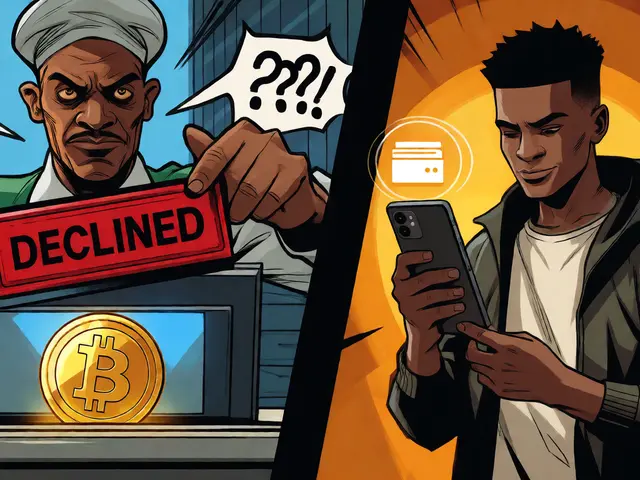
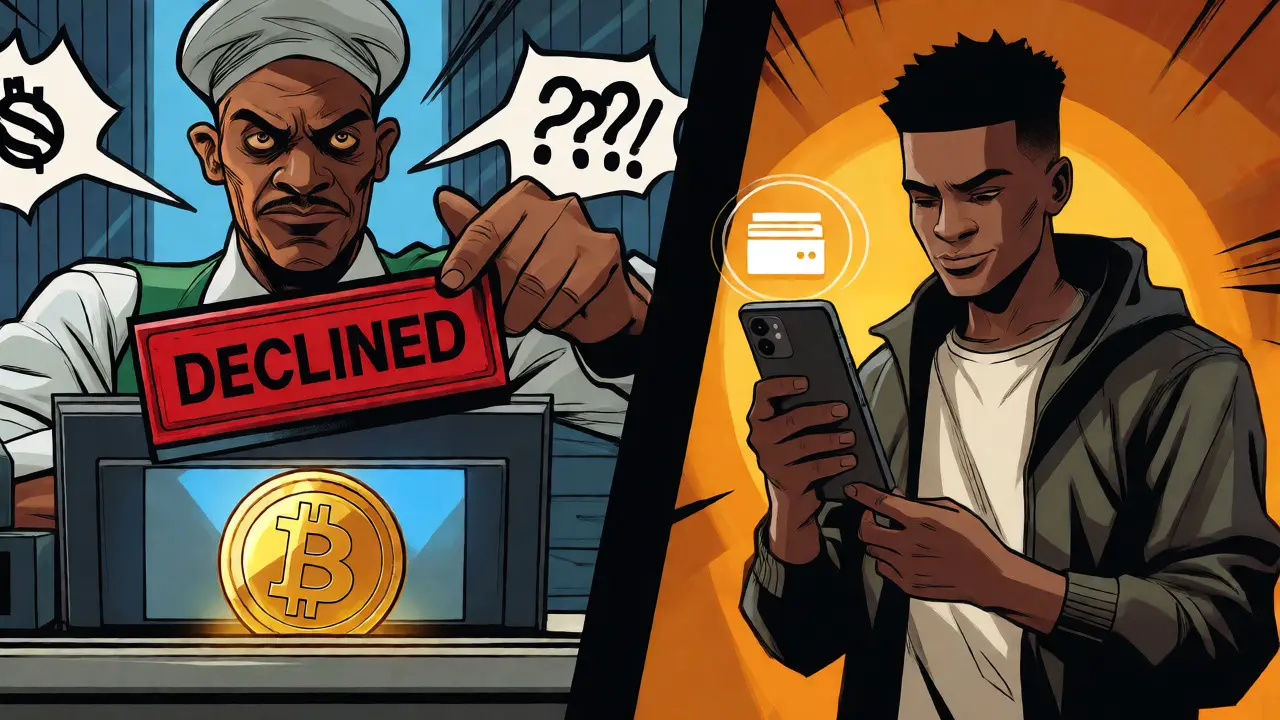
You want Bitcoin. You have Naira. But your bank just declined the transaction, or worse, froze your account for mentioning "crypto" in a chat. Sound familiar? Since the Central Bank of Nigeria (CBN) tightened its grip on banking relationships with crypto platforms back in 2021, buying digital assets with local currency hasn't been as simple as clicking "Buy." It’s not impossible, though. In fact, Nigeria remains one of Africa’s most active crypto markets. The trick isn’t fighting the system; it’s navigating around it.
This guide cuts through the noise. We aren’t here to debate whether crypto is good or bad. We’re here to show you exactly how to turn your Naira into Bitcoin, Ethereum, or USDT today, using methods that actually work for Nigerians in 2026. Whether you are a beginner who just wants to save some value or a trader looking for the best rates, we’ve got the steps down.
Why Your Bank Might Say No (And Why It Still Works)
Let’s address the elephant in the room first. The CBN didn’t ban cryptocurrency ownership. They banned banks from facilitating crypto transactions. This means if you try to send money directly from your Zenith or GTBank account to an international exchange like Coinbase via SWIFT, it often fails. Banks are wary of regulatory fines. They see keywords like "Binance," "Coinbase," or "Crypto" and hit the brakes.
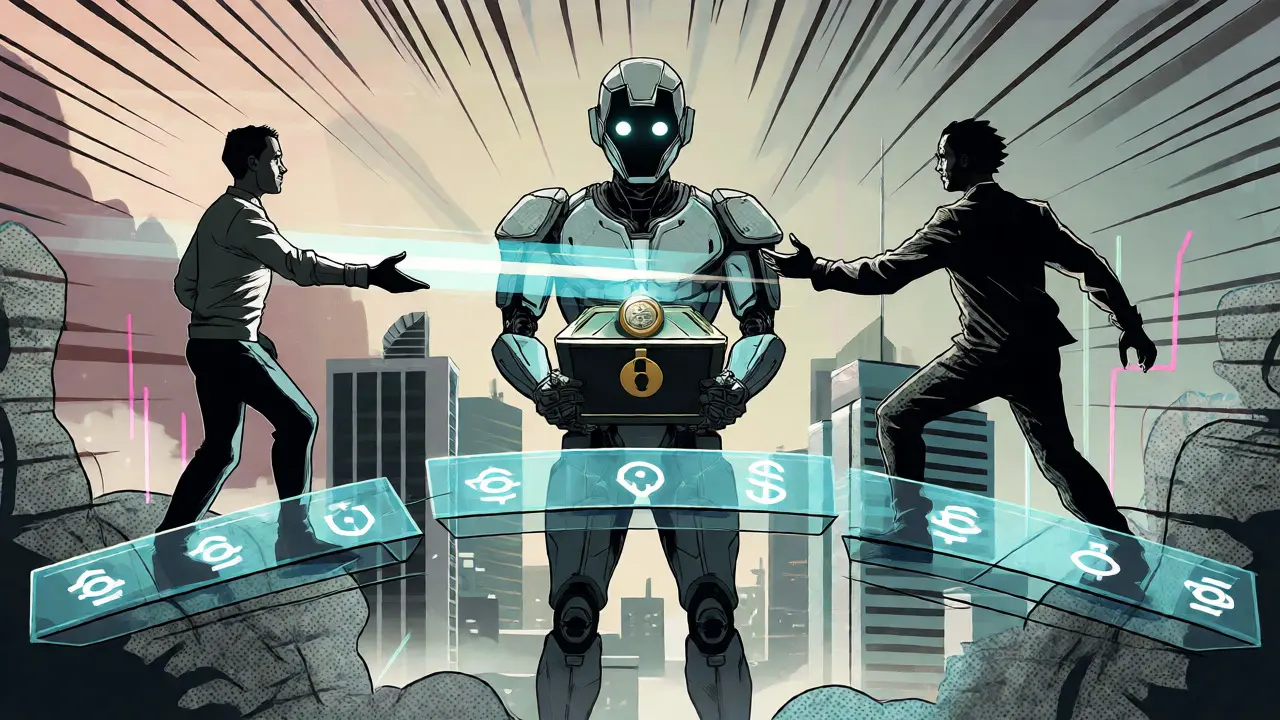
So, how do people still buy? They use Peer-to-Peer (P2P) trading and specialized brokers. These methods bypass the direct bank-to-exchange wire transfer problem. Instead of sending money to a company abroad, you send Naira to another Nigerian person’s bank account. That person releases their crypto to your wallet. The bank sees a standard transfer between two individuals. No red flags. No frozen accounts.
The core mechanism relies on Peer-to-Peer (P2P) Exchange, defined as a decentralized marketplace where users trade cryptocurrencies directly with each other without holding funds in custody, typically secured by escrow services. Unlike traditional exchanges, P2P platforms act as intermediaries that verify identity and hold the crypto in escrow until the seller confirms receipt of fiat payment.
Step 1: Choose Your Platform Wisely
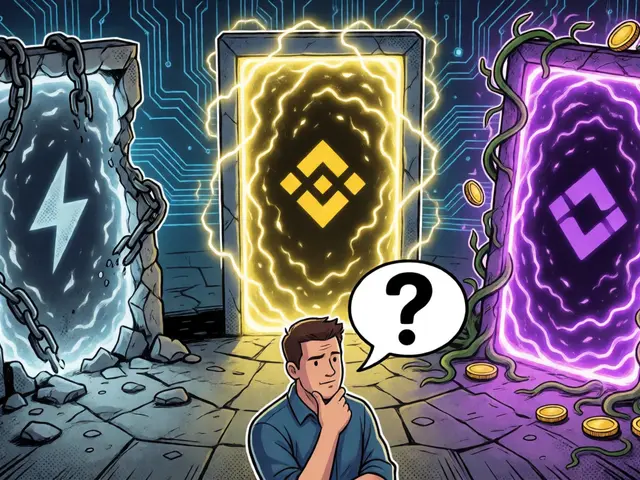
Not all platforms treat Nigerian users equally. Some require foreign cards. Others don’t support Naira at all. Here are the three main routes you can take, ranked by ease of use for beginners.
- Binance P2P: The giant in the room. It has the highest liquidity in Nigeria. If you want to buy USDT (Tether) or Bitcoin with Naira, this is usually the fastest place to start. The interface is complex, but the volume ensures you get fair market rates.
- Luno: Specifically built for emerging markets. Luno allows direct bank transfers within Nigeria for certain pairs. It’s simpler than Binance. You deposit Naira, and they give you Bitcoin or Ethereum. It’s less flexible for trading altcoins, but great for long-term holders.
- Blockchain.com: Recently added official support for Nigerian Naira (NGN). This is a big deal because it integrates traditional banking rails more smoothly than pure P2P sites. You can link your card or bank account directly, though availability can fluctuate based on current regulatory winds.
If you are tech-savvy and want lower fees, stick with Binance P2P. If you want simplicity and don’t mind paying a slightly higher spread, Luno or Blockchain.com are safer bets for your first purchase.
Step 2: Mastering the Peer-to-Peer (P2P) Method
P2P is the lifeline of Nigerian crypto. It works like eBay for money. Sellers post ads saying, "I will sell 100 USDT for ₦1,500 per dollar." You click "Buy," enter the amount, and follow the instructions.
Here is the exact workflow to avoid getting scammed:
- Filter Your Search: On Binance P2P, filter by "NGN" and "Bank Transfer." Look for sellers with high completion rates (above 95%) and many completed orders. Avoid new accounts with zero history.
- Check Payment Methods: Ensure the seller accepts your specific bank (e.g., Access Bank, Kuda, Opay). If they only accept UBA and you use GTB, walk away. Mismatches cause delays.
- Place the Order: Click "Buy." The platform locks the seller’s crypto in escrow. Now, it’s your move.
- Send the Money: Open your banking app. Send the exact Naira amount to the seller’s account details provided on the screen. Do not write "Bitcoin," "USDT," or "Crypto" in the reference/memo field. Use the order ID number or leave it blank if possible. This keeps your bank happy.
- Mark Paid: Go back to the platform and click "Transferred, Notify Seller." Do this immediately after sending.
- Receive Crypto: The seller checks their bank app. Once they see the money, they release the crypto. It appears in your wallet instantly.
| Platform | Payment Method | Best For | Fees | KYC Level |
|---|---|---|---|---|
| Binance P2P | Direct Bank Transfer, Mobile Apps | Active Traders & Low Fees | Maker/Taker fees vary; often 0% for takers | High (ID + Selfie) |
| Luno | Nigerian Bank Transfer | Beginners & Long-term Holders | Spread included in price | Medium |
| Changelly | Credit Card, Apple Pay, Google Pay | Quick Small Purchases | Higher service fees | Low for small amounts, High for >$150 |
| Bybit P2P | Bank Transfer | Users wanting signup bonuses | Competitive spreads | High |
Alternative Routes: Cards and OTC Brokers
What if you hate the hassle of talking to strangers online? Or what if you need to buy $50 worth of ETH right now for a DeFi protocol?
Credit/Debit Card Purchases: Platforms like Changelly allow you to buy crypto using Visa or Mastercard. The catch? Many Nigerian banks block these international crypto merchant codes. However, virtual cards issued by fintechs like Chipper Cash or Grey sometimes work better than traditional debit cards. Also, expect to pay a premium. Card purchases often carry a 3-5% fee on top of the exchange rate.
OTC (Over-the-Counter) Brokers: If you are moving large sums-say, over $10,000-you don’t want to sit on P2P waiting for ten different sellers to reply. You use an OTC desk. Platforms like Breet specialize in selling crypto for Naira, but others facilitate buying. You negotiate a bulk rate with a verified broker. They handle the compliance heavy lifting. This is faster and offers better pricing for whales, but less accessible for the average user.
The KYC Hurdle: What Documents Do You Need?
Know Your Customer (KYC) is non-negotiable on reputable platforms. It protects you from fraud and satisfies global anti-money laundering laws. Don’t skip this step; unverified accounts often have withdrawal limits so low they are useless.
To pass verification quickly, have these ready:
- Valid Government ID: International Passport, Driver’s License, or National ID (NIN slip is often accepted now, but check the specific platform).
- Selfie Verification: You’ll need to take a live selfie matching your ID photo. Lighting matters. Face the camera directly.
- Proof of Address: Sometimes required for higher tiers. A utility bill or bank statement dated within the last three months works.
Pro Tip: Ensure the name on your bank account matches the name on your KYC documents exactly. If your bank account says "John Doe Enterprises" but your ID says "John Doe," the P2P seller might reject the payment because the names don’t match. This is a common reason for disputes.
Security Pitfalls to Avoid
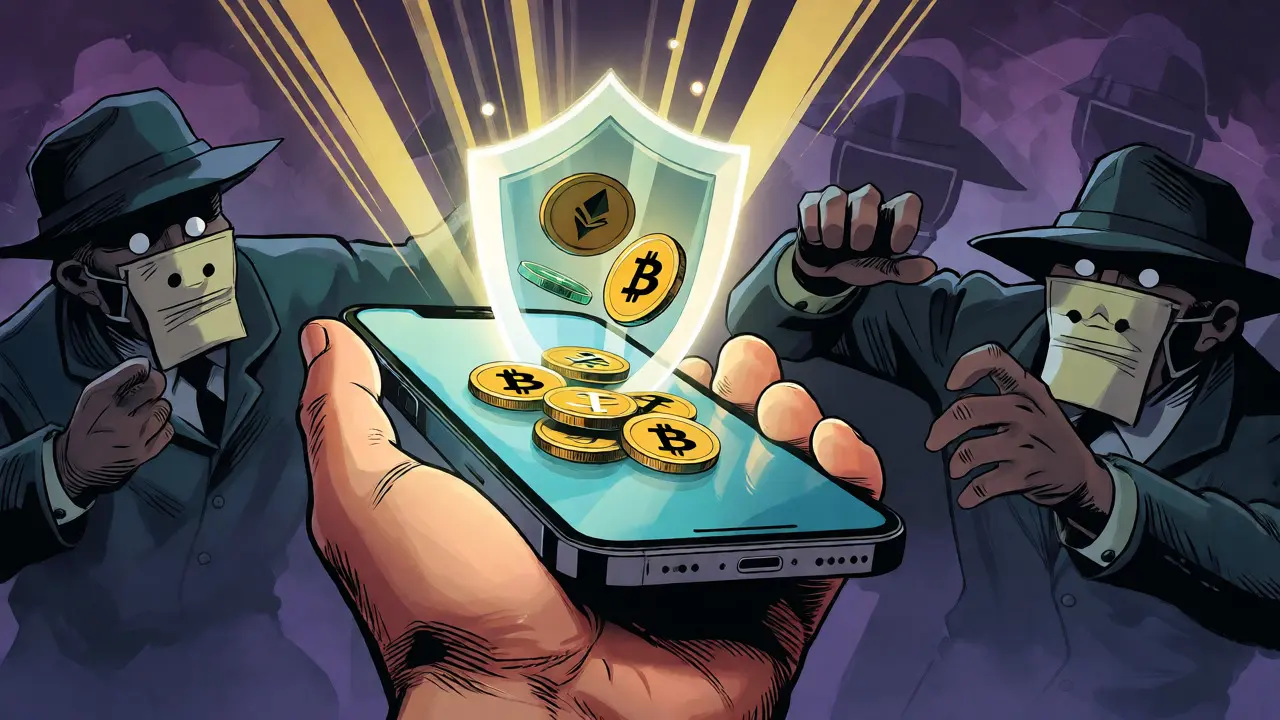
Nigeria’s crypto scene is vibrant, but it attracts scammers. Here are the three biggest mistakes new buyers make:
1. Ignoring the Escrow: Never send money outside the platform’s chat window. If a seller asks you to WhatsApp them to discuss payment, be suspicious. Keep all communication on the platform. If things go wrong, the platform support team can only help if the chat log exists there.
2. Fake Payment Proofs: Scammers edit screenshots to look like they sent money. Always check your own bank app for the credit notification before releasing any crypto if you are selling. When buying, wait for the platform to confirm the seller released the funds.
3. Wrong Network Selection: When withdrawing crypto to a personal wallet (like MetaMask or Trust Wallet), ensure you select the correct network. Sending Ethereum on the BEP20 network to an ERC20 address can result in lost funds. Double-check the contract address and network tag every single time.
Regulatory Outlook: Is It Safe?
As of late 2025 and into 2026, the landscape has stabilized somewhat. While the CBN maintains restrictions on banks serving crypto exchanges directly, enforcement against individual users has softened. Owning crypto is legal. Using it for payments is a gray area, but holding it as an asset is widely accepted practice.
Keep an eye on SEC Nigeria developments. They have begun licensing Digital Asset Service Providers (DASPs). Choosing a platform that is engaging with the SEC adds a layer of safety. If a platform suddenly disappears, having a regulated entity behind it helps with recourse.
Final Thoughts: Start Small
Don’t dump your savings into Bitcoin on day one. Buy ₦10,000 worth of USDT. Try the P2P process. See how fast the seller replies. Check the fees. Once you understand the rhythm of the market, scale up. Crypto in Nigeria is about patience and preparation. The tools are there; you just have to know which ones to pick up.
Can I buy crypto directly with my Nigerian bank card?
It depends on the bank and the platform. Traditional banks often block direct charges from crypto exchanges. However, some platforms like Blockchain.com or Changelly may accept cards if the bank allows international transactions. Fintech virtual cards (from providers like Chipper or Grey) often have higher success rates than traditional debit cards.
Is it illegal to hold Bitcoin in Nigeria?
No, it is not illegal to own or hold cryptocurrency. The Central Bank of Nigeria restricted banks from facilitating crypto trades, but individuals are free to buy, sell, and hold digital assets. The SEC is currently working on regulatory frameworks to formalize the industry.
Which platform has the lowest fees for buying USDT with Naira?
Binance P2P generally offers the most competitive rates due to high liquidity. However, fees can vary based on the seller's premium. Always compare the final cost including any maker/taker fees. Luno is convenient but may have wider spreads during volatile market hours.
What should I write in the bank transfer reference when buying crypto?
Use the Order ID provided by the P2P platform. Avoid words like "Bitcoin," "Crypto," "USDT," or "Exchange." Banks often flag these terms. Keeping the reference neutral prevents your transaction from being rejected or your account from being scrutinized.
How long does KYC verification take?
On major platforms like Binance or Luno, automated verification usually takes minutes. Manual review, triggered by blurry photos or mismatched data, can take 24 to 48 hours. Ensure your lighting is good and documents are clear to speed up the process.