BitOrbit (BITORB) IDO Airdrop: Complete Launch Details & Tokenomics
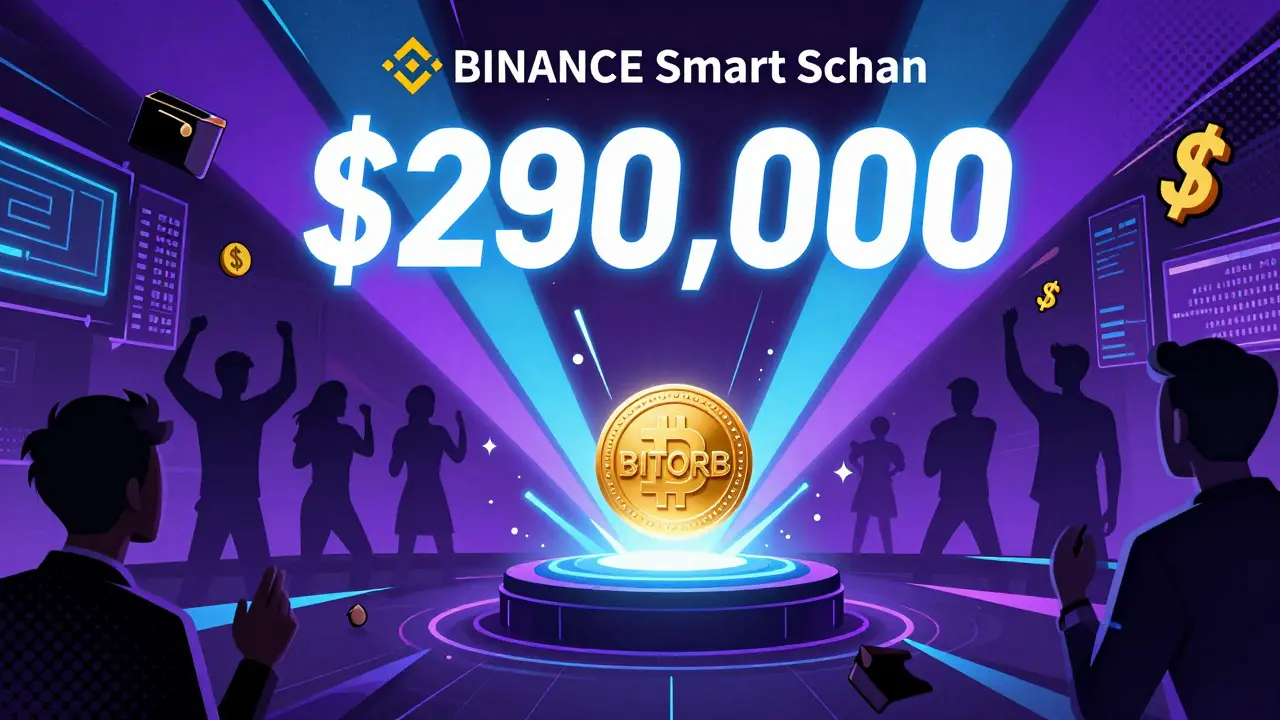
You might be digging through old wallet histories or checking past records for the BitOrbit is a cryptocurrency project that conducted its Token Generation Event in late 2021 with an initial fundraising campaign of $290,000. Also known as BITORB, it launched via the BSCPad platform and implemented a structured vesting schedule to manage token distribution. If you are looking for details on the BitOrbit IDO launch airdrop, you need to understand exactly how the tokens were distributed, where they were sold, and what happened to the value afterward. This isn't just about claiming free coins; it's about understanding the mechanics of early-stage crypto launches and why some projects fade while others thrive.
The BitOrbit project represents a classic case study from the 2021 bull market era. It raised significant capital but faced the harsh reality of post-launch market dynamics. By breaking down the specifics of the BitOrbit launch, we can see how IDOs worked back then compared to today’s landscape. You’ll find out who facilitated the sale, how the tokens were locked up, and what the current status of the BITORB token actually looks like in 2026.
How the BitOrbit IDO Launch Worked
To get your hands on BITORB tokens during the initial phase, you had to go through a specific process managed by a third-party platform. BitOrbit didn’t just dump tokens onto an exchange overnight. They used an Initial DEX Offering (IDO) model, which is a way for new projects to raise funds and distribute tokens directly to investors before listing on major exchanges.
The key player here was BSCPad is a prominent IDO launchpad operating on the Binance Smart Chain ecosystem that facilitates token sales for new cryptocurrency projects. BSCPad acted as the gateway. If you wanted in, you likely had to hold a certain amount of BSCPAD tokens yourself to qualify for the whitelist. This staking requirement helped filter out bots and ensured that participants had some skin in the game.
The launch itself was structured into multiple rounds. Here is how the fundraising unfolded:
- Total Raised: The project successfully collected $290,000 across six distinct rounds.
- Platform: All transactions occurred on the Binance Smart Chain (BSC), meaning users needed BNB for gas fees.
- Timing: The Token Generation Event (TGE) hit on November 4, 2021, at 21:25 UTC+3.
This structure was common for mid-tier projects at the time. It allowed for private sales to early backers, followed by public sales for the wider community. The use of BSCPad meant the technical heavy lifting-like smart contract deployment and wallet integration-was handled by an established infrastructure provider rather than the BitOrbit team building everything from scratch.
Tokenomics and Vesting Schedule
One of the most critical parts of any IDO is the vesting schedule. This determines when investors can actually sell their tokens. Many new projects fail because all tokens are released at once, causing a massive sell-off that crashes the price. BitOrbit tried to avoid this pitfall with a conservative approach.
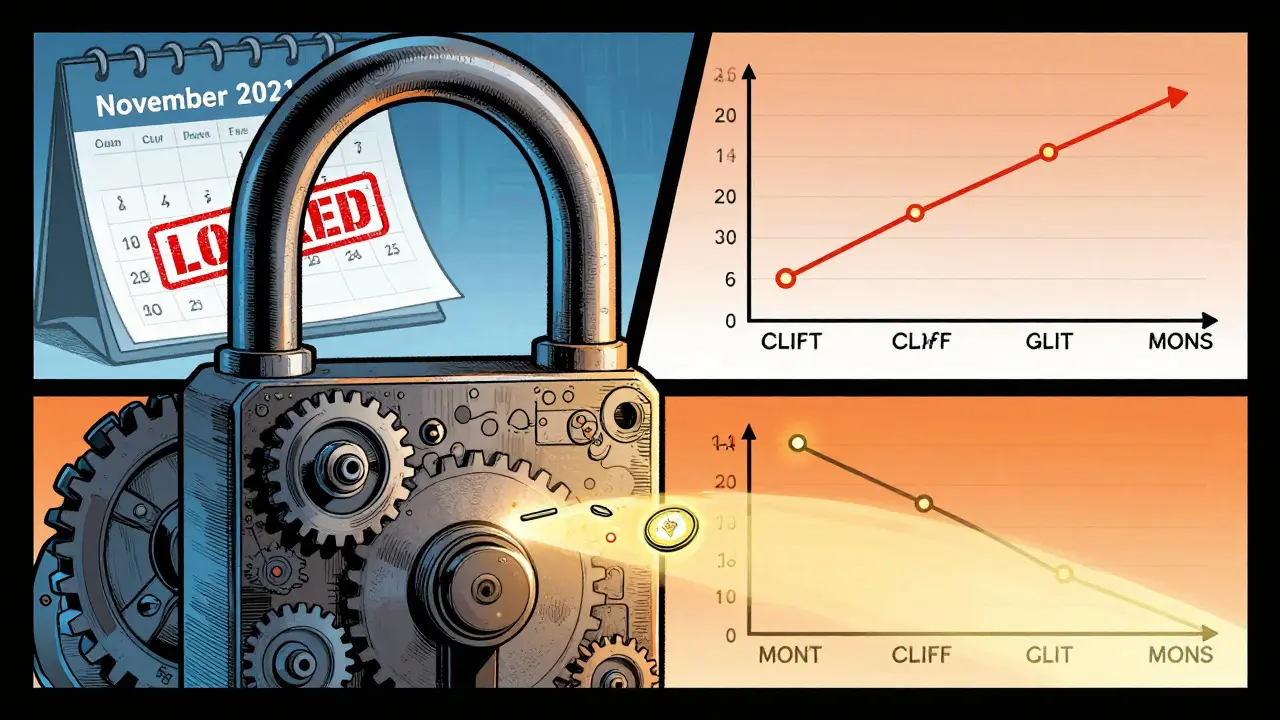
At the moment of the TGE, only 10% of the total token supply was released. That means if you bought tokens during the IDO, you could only trade a small fraction immediately. The rest? Locked up. There was a one-month cliff period where absolutely nothing moved. After that month, the remaining 90% of the tokens were distributed through linear vesting over four months.
Let’s break down what "linear vesting" means for you. Imagine you bought 1,000 tokens. You got 100 tokens instantly. For the next month, you held zero tradable balance. Then, for the following four months, you received roughly 225 tokens every month until you had access to your full allocation. This mechanism was designed to prevent immediate market dumps and align investor interests with long-term project development.
| Distribution Phase | Percentage Released | Timeline |
|---|---|---|
| Initial Release (TGE) | 10% | November 4, 2021 |
| Cliff Period | 0% | 1 Month after TGE |
| Linear Vesting | 90% | Over 4 Months post-cliff |
This table shows the strict timeline BitOrbit adhered to. While this sounds safe on paper, the real test is whether the project delivered value during those five months of lock-up. Unfortunately, as we will see, the market sentiment shifted dramatically against the token despite these safeguards.
Current Status of BITORB Token
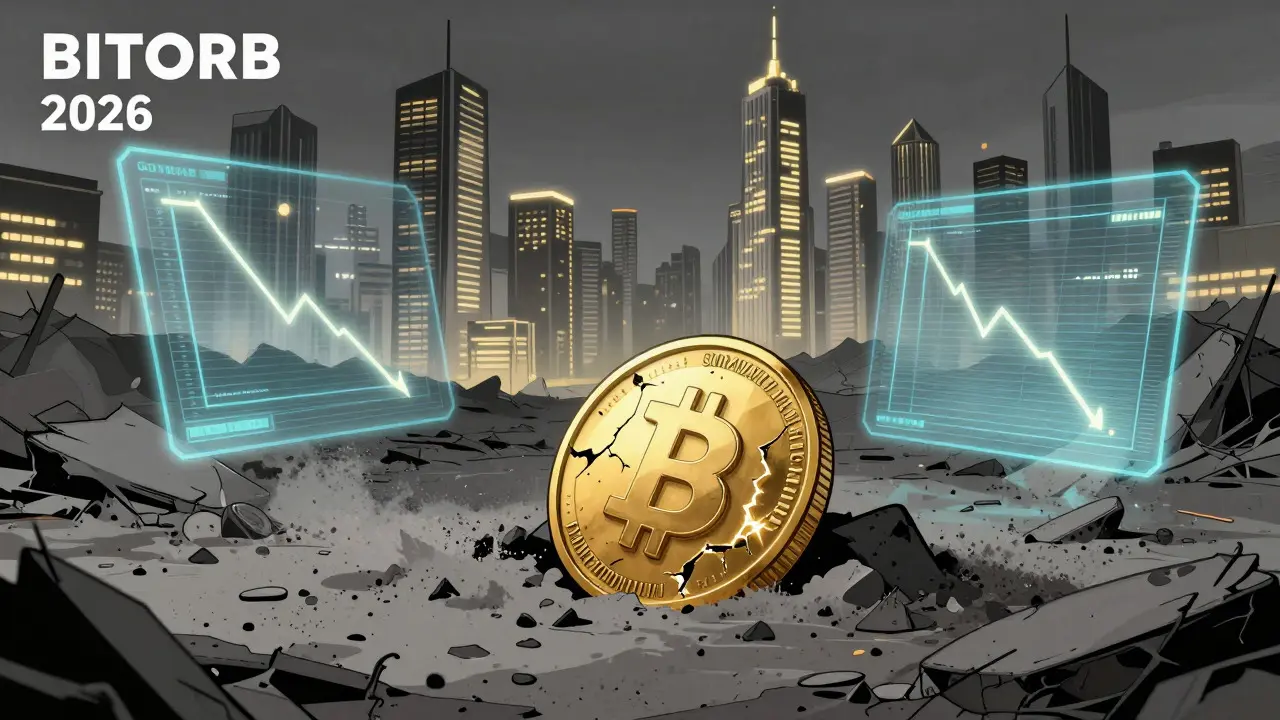
Here is the hard truth about the BitOrbit project today. As of mid-2026, the market capitalization of BITORB sits at a mere $2,830. Compare that to the $290,000 raised in 2021, and you are looking at a near-total loss of value for early investors who haven’t sold yet-or perhaps those who bought in later hoping for a rebound.
Why did this happen? Several factors come into play. First, the crypto market is brutal. Thousands of projects launch every year, and only a tiny fraction survive. Second, BitOrbit failed to maintain momentum post-launch. The vesting schedule prevented a day-one crash, but it couldn’t stop a slow bleed as interest waned. Without active development updates, strong partnerships, or a growing user base, the token simply lost relevance.
This contrasts sharply with successful IDO projects from the same era. Some tokens launched on similar platforms achieved returns of over 18x their initial price. Those winners usually had clear utility, active communities, and continuous marketing efforts. BitOrbit’s case serves as a cautionary tale: raising money is easy; keeping it valuable is hard.
If you are holding old BITORB tokens in a forgotten wallet, you might want to check the liquidity pools on decentralized exchanges like PancakeSwap. Given the low market cap, liquidity is likely thin, meaning selling large amounts could significantly impact the price. Always check the current trading pairs and slippage tolerance before attempting any transactions.
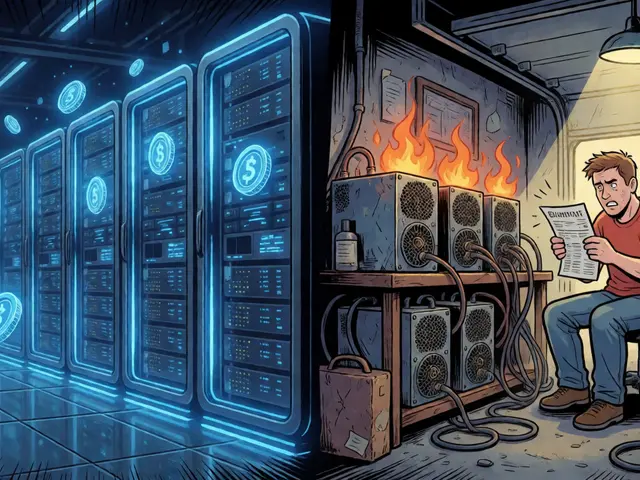
Evolution of Crypto Launchpads Since 2021
Understanding BitOrbit’s journey helps us see how much the industry has changed. In 2021, platforms like BSCPad were pioneers. Today, the landscape is far more sophisticated. Modern launchpads have learned from projects like BitOrbit that failed to deliver long-term value.
Current top-tier launchpads now enforce stricter vetting processes. They don’t just take anyone’s token. Projects must prove legitimacy, security audits, and realistic roadmaps before getting listed. Platforms like DAO Maker, Polkastarter, and GameFi now lead the space, offering multi-chain support across Ethereum, Solana, Polygon, and Avalanche. This reduces dependency on a single blockchain like BSC.
Moreover, investor protection mechanisms have improved. KYC (Know Your Customer) requirements are now standard, reducing fraud. Allocation methods have also evolved. Instead of simple first-come-first-served models, many platforms use lottery systems or guaranteed allocations for stakers to ensure fairer distribution. Entry fees for participation in top launchpads average around $72.29, reflecting higher quality standards.
Advanced features like immediate futures trading capabilities allow users to hedge risks within minutes of listing. These tools were nonexistent during BitOrbit’s launch. The sector has matured, raising the bar for success. New projects face higher scrutiny, but investors benefit from better data and safer environments.
Key Takeaways for Future IDO Participants
What can you learn from the BitOrbit experience? If you plan to participate in future IDOs or airdrops, keep these lessons in mind:
- Vesting Matters: Look for projects with reasonable lock-up periods. Too short, and there’s a dump risk. Too long, and you’re stuck with illiquid assets.
- Check the Team: Anonymous teams are risky. Verify identities and past track records.
- Evaluate Utility: Does the token do anything besides speculation? Real usage drives long-term value.
- Market Conditions: Bull markets inflate valuations. Be cautious of hype-driven launches.
- Liquidity Depth: Before buying, check if there’s enough liquidity to exit your position without huge slippage.
The BitOrbit story reminds us that fundraising success doesn’t equal project success. Execution, community engagement, and market timing are equally important. As you navigate the crypto space in 2026, apply these insights to separate potential gems from fleeting trends.
When did BitOrbit launch its IDO?
BitOrbit conducted its Token Generation Event (TGE) on November 4, 2021, at 21:25 UTC+3. The launch was facilitated through the BSCPad platform on the Binance Smart Chain.
How much funding did BitOrbit raise?
The project raised a total of $290,000 across six completed fundraising rounds, including private sales, public sales, and an airdrop component.
What was the vesting schedule for BITORB tokens?
Only 10% of tokens were released at launch. After a one-month cliff period, the remaining 90% were distributed linearly over four months to prevent immediate sell-offs.
What is the current market cap of BitOrbit?
As of 2026, the market capitalization of BITORB is approximately $2,830, indicating significant depreciation from its initial valuation and limited ongoing market adoption.
Which platform hosted the BitOrbit IDO?
The IDO was hosted on BSCPad, a leading launchpad for projects on the Binance Smart Chain ecosystem. Participation typically required holding BSCPAD tokens.
Is BitOrbit still active?
While the token still exists, the low market cap and lack of recent major developments suggest minimal activity. Investors should exercise caution due to potential liquidity issues.
How do modern launchpads differ from 2021?
Modern launchpads feature stricter vetting, multi-chain support, mandatory KYC, and advanced risk management tools like futures hedging, offering better investor protection than in 2021.