Crypto Exchanges to Avoid in Nigeria: The 2026 Safety Guide
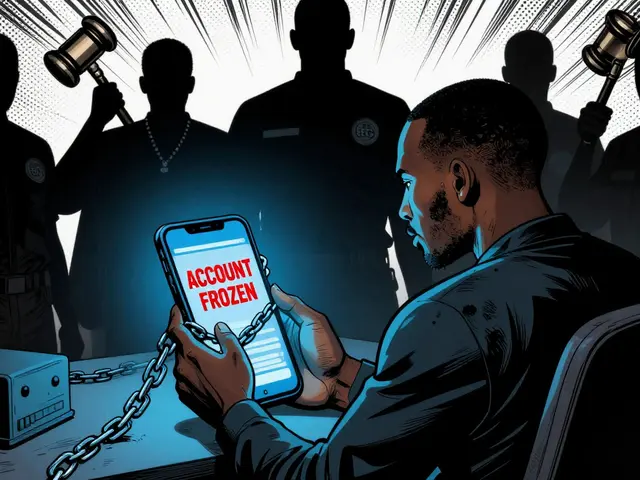
Imagine logging into your favorite crypto app to check your portfolio, only to find your funds locked and your bank account frozen. For thousands of Nigerians in late 2024, this wasn't a nightmare scenario-it was reality. The landscape of cryptocurrency in Nigeria has shifted dramatically with the introduction of the Investments and Securities Act (ISA) 2025. If you are still using popular global platforms without checking their local status, you might be walking into a regulatory trap.
The days of the "wild west" era for Nigerian crypto are over. The Central Bank of Nigeria (CBN) and the Securities and Exchange Commission (SEC) have tightened the screws. Using an unlicensed exchange isn't just risky; it's illegal under current frameworks, exposing your assets to seizure and your bank accounts to freezing by the Economic and Financial Crimes Commission (EFCC). This guide breaks down exactly which exchanges to avoid, why they are dangerous right now, and how to verify if your platform is safe before you deposit another Naira.
Why Unlicensed Exchanges Are Dangerous Right Now
To understand which platforms to avoid, you first need to grasp the new rules. Before 2025, Nigeria’s crypto market operated in a gray area. Banks were hesitant, but users traded freely via Peer-to-Peer (P2P) networks. That changed with the ISA 2025. This law officially classifies cryptocurrencies as securities, placing them under the strict oversight of the SEC. It also mandates that all Virtual Asset Service Providers (VASPs) must hold a specific license to operate legally within Nigerian borders.
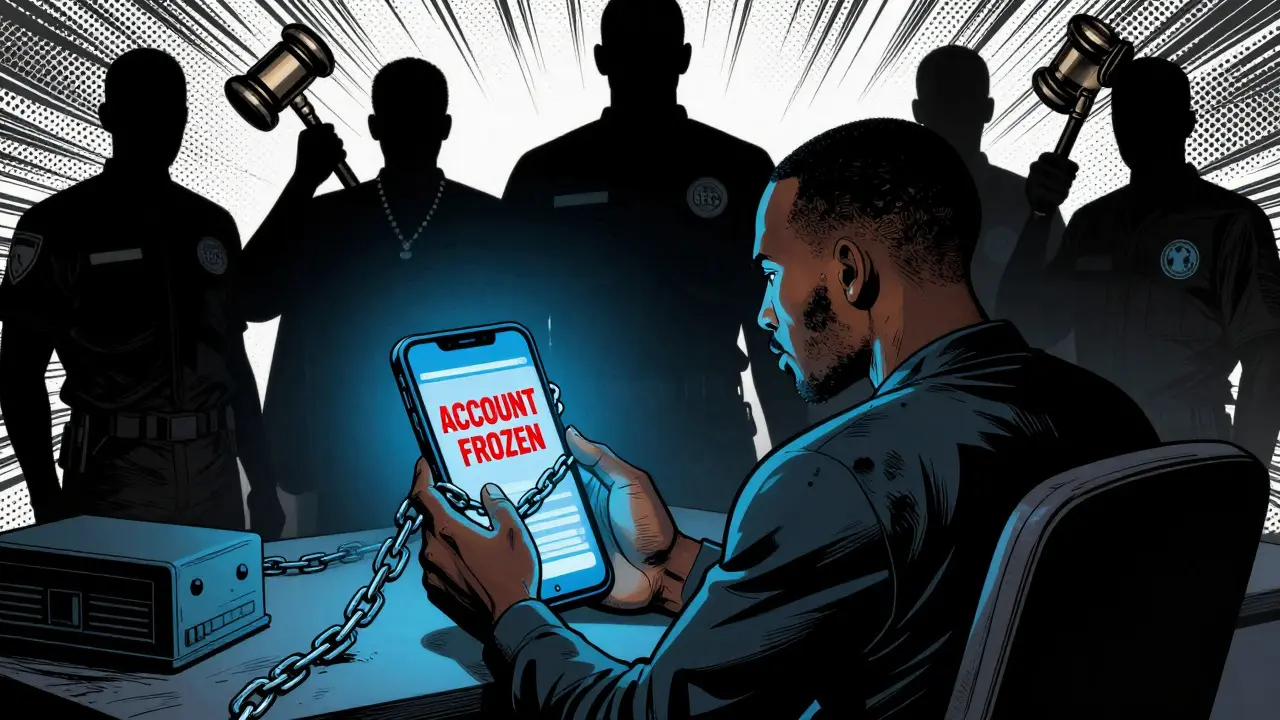
If an exchange does not have this license, it is operating illegally. Why does this matter to you? Because the EFCC has been actively enforcing these rules. In September 2024 alone, the commission froze 22 bank accounts linked to USDT trading on unlicensed platforms like Bybit and KuCoin. These accounts held approximately ₦548.6 million. The owners weren't criminals; they were regular traders who used platforms that hadn't complied with the new local regulations. When the EFCC flags a transaction from an unlicensed source, they don't just freeze the crypto-they freeze the Naira in your connected bank account.
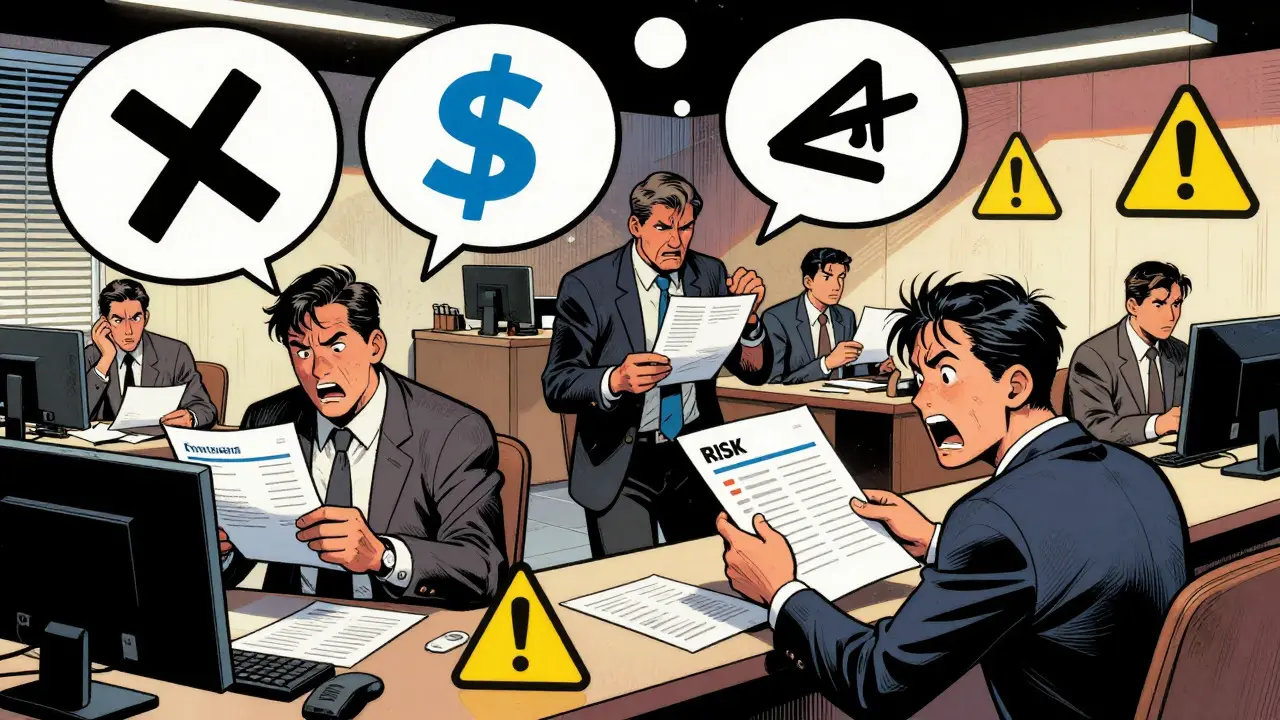
The risk goes beyond government action. Unlicensed exchanges often lack the robust Anti-Money Laundering (AML) and Combating the Financing of Terrorism (CFT) controls required by the CBN. This means if the platform gets hacked or decides to run away with user funds, you have zero legal recourse. There is no insurance, no customer protection fund, and no local entity to sue. You are entirely on your own.
Top Crypto Exchanges to Avoid for Nigerians
Based on enforcement actions and the current licensing registry as of mid-2026, several major global platforms remain high-risk for Nigerian users. While these apps are popular worldwide, their status in Nigeria is precarious. Here are the primary exchanges you should consider avoiding until they secure full SEC approval.
| Exchange Name | Current Status in Nigeria | Primary Risk Factor |
|---|---|---|
| Bybit | Unlicensed / Under Review | High volume of EFCC account freezes linked to P2P trades |
| KuCoin | Unlicensed | Lack of local legal entity; frequent bank rejections |
| Binance P2P | Restricted / High Risk | P2P transactions flagged as unregulated; merchant bans |
| Local Offshore Platforms | Unverified | No CAC registration; potential scam operations |
Bybit and KuCoin have faced significant scrutiny. Despite having millions of users globally, they did not secure early SEC licenses in the initial 2025 rollout. Users on forums like Reddit’s r/NigeriaInvest have reported losing access to funds ranging from ₦500,000 to over ₦2.4 million after EFCC interventions. One user, u/LagosTrader89, documented spending 47 days and making 12 visits to EFCC offices just to recover 63% of their funds. That is a massive loss of time and money for what should be a simple trade.
Binance presents a tricky case. While Binance has a global reputation, its P2P service in Nigeria has become a target for regulators because it facilitates large volumes of unverified trades. Many merchants on Binance P2P have had their bank accounts permanently closed by Nigerian banks due to suspected links to unlicensed crypto activity. If your bank sees a transfer labeled "Binance," they may flag your account for review, leading to delays or closures.
The Safe Alternatives: Who Is Licensed?
Avoiding bad platforms is half the battle; finding good ones is the other. As of March 2025, only two major exchanges have received full SEC licensing approval: Quidax and Busha. These platforms have gone through rigorous vetting, proving they meet the capital requirements (minimum ₦500 million operational capital) and technical standards set by the government.
Using a licensed exchange offers tangible benefits. First, your bank account is safer. Banks are instructed by the CBN to verify the SEC licensing status of any crypto entity they deal with. Transactions with Quidax or Busha are recognized as legitimate business activities, reducing the chance of your account being frozen. Second, you get consumer protection. Licensed platforms are required to maintain insurance coverage and adhere to strict data privacy laws. If something goes wrong, there is a clear path for dispute resolution through the SEC, rather than chasing support tickets into the void.
While unlicensed exchanges might advertise slightly lower fees (averaging 0.15% versus 0.25% on licensed platforms), the cost of risk is far higher. Data from Chainalysis showed that while unlicensed platforms offered cheaper rates, they carried an 87% higher risk of account freezing incidents among Nigerian users. Saving a few kobo on fees isn't worth losing your entire principal.
How to Verify an Exchange Yourself
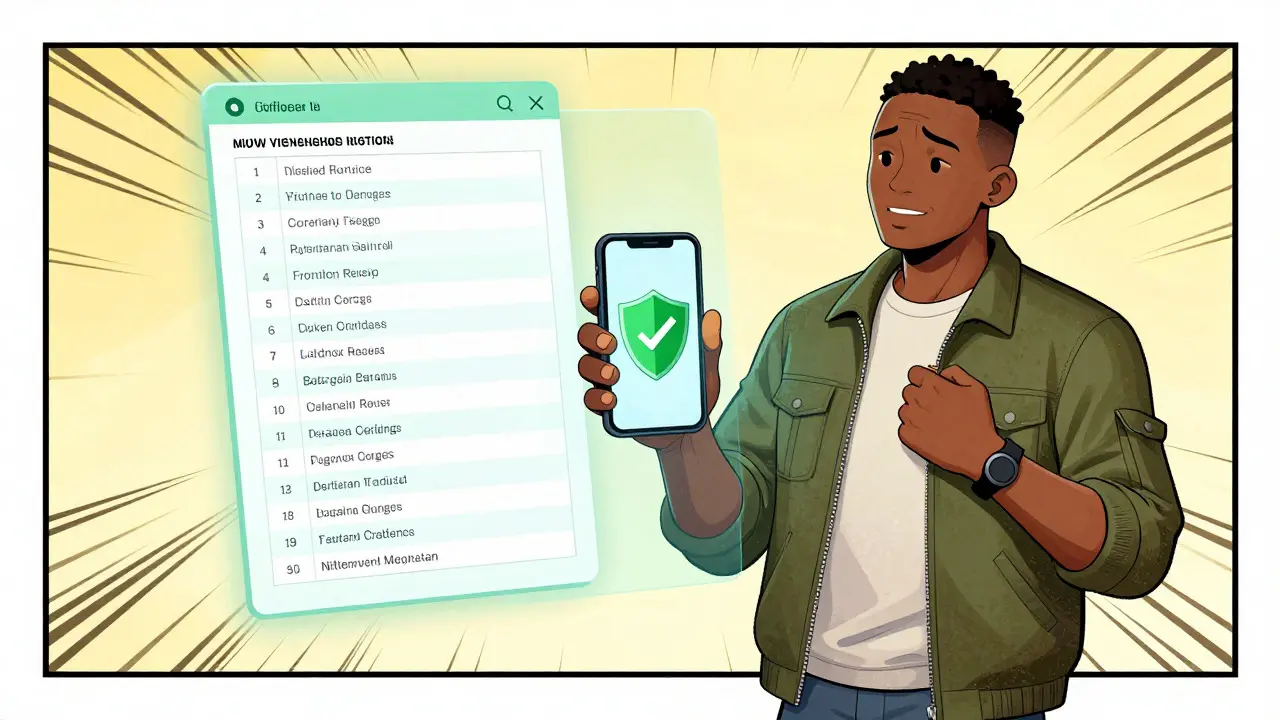
You shouldn't have to take anyone's word for it, including this article. Regulatory landscapes change, and new licenses are issued regularly. Here is a step-by-step process to verify if any crypto exchange is safe for you to use in Nigeria.
- Check the SEC Registry: Visit the official Securities and Exchange Commission website at sec.gov.ng/crypto-exchanges. This list is updated weekly. Look for the exchange name and its unique license number (e.g., SEC/CRP/2025/001). If it's not on this list, treat it as unlicensed.
- Verify Corporate Registration: Legitimate platforms incorporate locally. Check the Corporate Affairs Commission (CAC) registry. For example, Quidax operates as 'Quidax Technologies Limited' (RC1782456). If a platform claims to serve Nigerians but is registered only in Seychelles or Malta with no local RC number, proceed with extreme caution.
- Look for the CBN Badge: All licensed exchanges must display a 'CBN Verified' badge on their Nigerian landing pages. You can also verify this status via SMS by sending 'VERIFY [exchange name]' to 20255. If the service doesn't respond or says unverified, stay away.
- Inspect KYC Requirements: Since February 2025, all licensed platforms must integrate with the National Identification Number (NIN) system during Know Your Customer (KYC) verification. If an exchange lets you trade anonymously or only asks for an email address, it is likely non-compliant and therefore risky.
The Hidden Risks of Decentralized Options
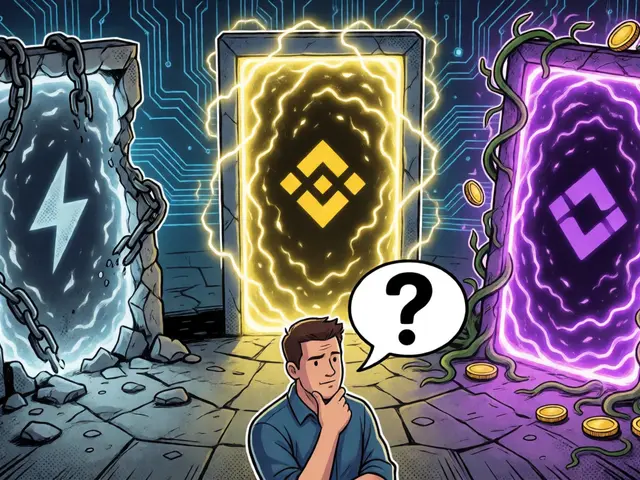
Some savvy Nigerians, frustrated by restrictions on centralized exchanges, have moved to Decentralized Exchanges (DEXs) like Uniswap. While DEXs offer privacy and freedom from central control, they come with their own set of dangers. A report by the Nigerian Cybersecurity Experts Forum in August 2025 noted a 34% increase in Nigerian usage of DEXs since the ISA 2025 implementation.
However, DEXs have zero regulatory oversight. There is no customer support, no fraud recovery team, and no insurance. If you send tokens to the wrong address, they are gone forever. If you connect your wallet to a malicious smart contract, you could lose everything instantly. For the average user who wants to buy Bitcoin with Naira easily, DEXs are often too complex and risky. They are better suited for advanced developers who understand blockchain mechanics deeply. For most, sticking to licensed centralized exchanges remains the safest bet.
What Happens If You Get Frozen?
If you have already used an unlicensed exchange and fear for your assets, know the signs. The EFCC typically acts when large sums move through P2P channels linked to known unlicensed wallets. Once frozen, the process is arduous. According to the Nigerian Cybercrime Unit's Q2 2025 report, resolving issues with unlicensed exchanges takes an average of 28 days, compared to just 3.2 days for disputes on licensed platforms.
In many cases, users never fully recover their funds. On Nairaland, threads detailing frozen assets reveal that 41% of respondents never got their money back. The best strategy is prevention. Move your assets to a licensed platform like Quidax or Busha immediately. Withdraw your Naira to a bank account that hasn't been flagged. Then, slowly migrate your crypto holdings to compliant environments.
Future Outlook for Nigerian Crypto
The trend is clear: Nigeria is moving toward a regulated, institutional-grade crypto ecosystem. The ISA 2025 has already reduced the unregulated market share by 63% since January 2025. Analysts at ChainUp predict that by Q2 2026, unlicensed exchange usage will drop to near zero as enforcement intensifies. The SEC plans to launch automated transaction monitoring systems by September 2025 that can identify and freeze assets from unlicensed platforms within 15 minutes.
This shift protects the long-term viability of crypto in Nigeria. By cleaning up the sector, the government is attracting serious investment and building trust with traditional financial institutions. For you, the user, this means a more stable environment where your digital assets are treated with the same respect as your savings in a commercial bank. Don't fight the tide-adapt to the new rules to keep your wealth safe.
Which crypto exchanges are currently licensed in Nigeria?
As of mid-2026, the primary fully licensed exchanges are Quidax and Busha. These platforms have obtained approval from the Securities and Exchange Commission (SEC) under the Investments and Securities Act (ISA) 2025. Always verify the current status on the official SEC registry, as new licenses may be issued periodically.
Can I still use Binance in Nigeria safely?
Using Binance carries significant risk. While the global platform is reputable, its P2P service in Nigeria has faced heavy scrutiny from the EFCC and CBN. Many users have experienced bank account freezes linked to Binance P2P transactions. Until Binance secures a full local SEC license, it is considered an unlicensed platform for Nigerian residents, exposing you to regulatory action.
Why did my bank freeze my account for crypto trading?
Banks are required by the Central Bank of Nigeria (CBN) to monitor transactions linked to unlicensed crypto entities. If you transferred money to a P2P merchant associated with an unlicensed exchange like Bybit or KuCoin, the bank may flag the transaction as suspicious. This triggers a freeze pending investigation by the EFCC to ensure the funds aren't linked to money laundering or fraud.
How do I check if a crypto exchange is SEC licensed?
Visit the official SEC crypto exchange registry at sec.gov.ng/crypto-exchanges. You can also verify an exchange's corporate status through the Corporate Affairs Commission (CAC) website. Additionally, licensed platforms must display a 'CBN Verified' badge, which you can confirm by sending an SMS code to 20255.
Is it safer to use Decentralized Exchanges (DEXs)?
DEXs like Uniswap avoid centralized regulatory checks but introduce different risks. They lack customer support, insurance, and fraud recovery mechanisms. If you make a mistake or encounter a scam, your funds are irretrievable. For most Nigerian users seeking ease of use and security, licensed centralized exchanges are currently the safer option despite stricter KYC requirements.
What happens if I continue using unlicensed exchanges?
You face increasing risks of asset seizure and bank account freezing. The EFCC has expanded its crypto fraud unit and implemented automated monitoring systems. Penalties for operating or using unlicensed platforms can include administrative cautions, liens on assets, and forfeiture of funds. The longer you wait, the higher the likelihood of enforcement action against your accounts.