Elk Finance (Polygon) Review: Cross-Chain Bridge & DEX Performance
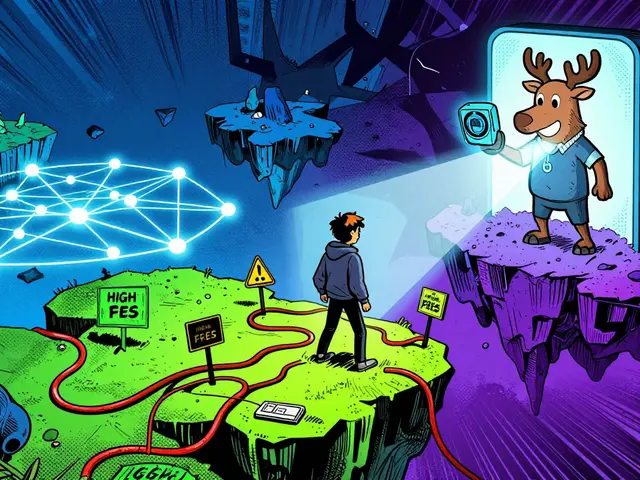
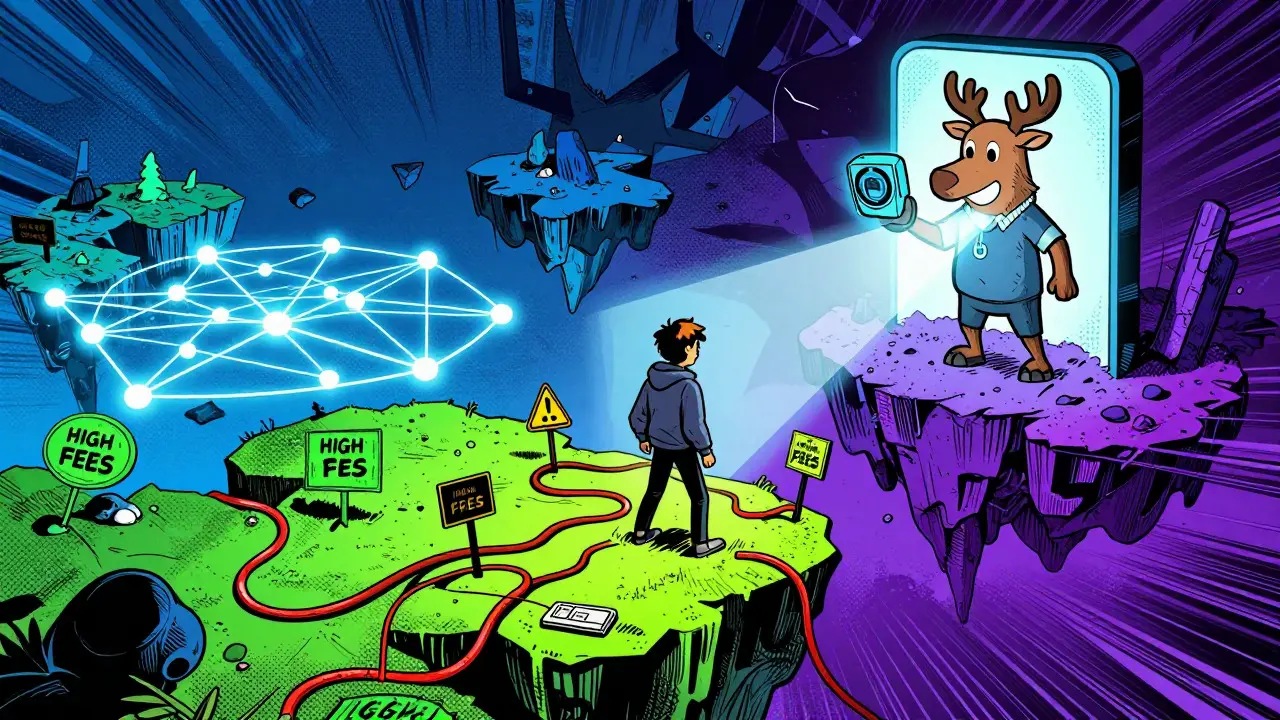
Most people assume that moving money between blockchains is just a matter of clicking a button. In reality, it’s often a headache involving high gas fees, confusing interfaces, and the constant fear of getting stuck in a transaction queue. That’s where Elk Finance comes in. Launched in early 2021, this platform positions itself as a solution to the fragmentation of the crypto world by offering a unified interface for cross-chain swaps and liquidity provision. But does it actually deliver on its promise of making multi-chain transactions easy, or is it just another small project trying to survive in a sea of giants like Uniswap and PancakeSwap?
If you’re considering using Elk Finance for your daily trades or holding its native ELK token, you need to know exactly what you’re getting into. The short answer? It’s a niche tool with a specific strength in cross-chain interoperability but significant weaknesses in volume and regulatory safety. This review breaks down the real-world performance, the technical specs, and whether it belongs in your portfolio.
The Core Concept: More Than Just an Exchange
To understand Elk Finance, you have to look past the label "crypto exchange." While it functions as a decentralized exchange (DEX), its heart lies in its cross-chain bridge technology known as ElkNet. Think of it less like a traditional stock market and more like a universal translator for different blockchain networks. The platform supports 14 major networks, including Ethereum, Polygon, Avalanche, Arbitrum, Optimism, Solana, and Binance Smart Chain.
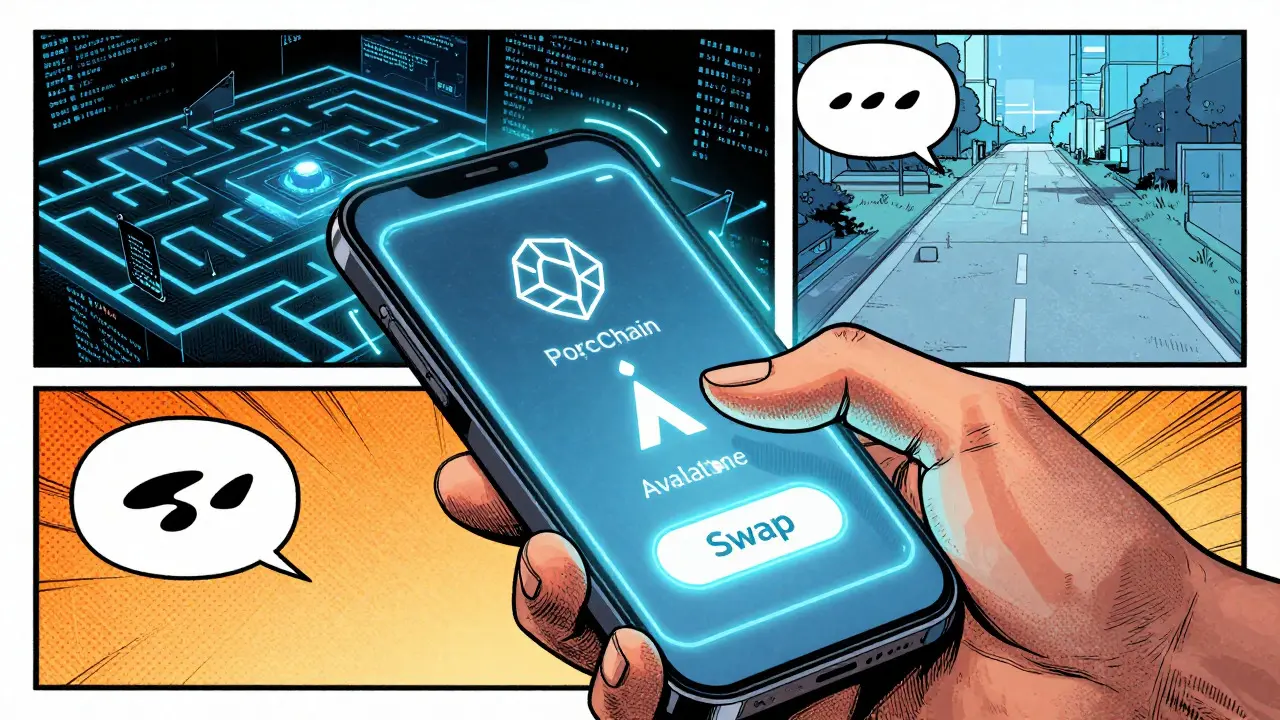
The main goal here is simplicity. Moving tokens from one chain to another usually requires multiple steps: bridging, swapping, then bridging again. Elk Finance tries to compress this into a single action. You select your source chain, pick your destination chain, choose the token, and hit swap. The platform handles the complex routing in the background. For users who frequently move assets between these ecosystems, this friction reduction is the primary value proposition. However, because it relies on the underlying infrastructure of these chains, its speed and cost are still subject to network congestion.
Trading Volume and Market Reality Check
Let’s talk numbers, because they tell a stark story. As of late 2023 data, which remains the most recent reliable public metric, Elk Finance processed approximately $19,930 in 24-hour trading volume. To put that in perspective, Uniswap processes billions in daily volume. Even smaller, specialized DEXs often clear millions. A volume under $20K suggests that Elk Finance is not a go-to venue for large institutional moves or even serious retail traders looking for deep liquidity.
This low volume has direct implications for you. If you try to swap a large amount of tokens, you might face significant slippage, meaning the price you get could be worse than the quoted price due to lack of buyers/sellers in the pool. Additionally, the platform lists only two coins and facilitates eight trading pairs. This is extremely limited compared to competitors. You aren’t going to find hundreds of altcoins here; it’s a specialized hub for specific cross-chain movements rather than a comprehensive marketplace.
Technical Performance and User Experience
How does it feel to use? The interface is clean, but user feedback suggests a steeper learning curve than centralized exchanges. First-time setup typically takes 20 to 30 minutes, primarily because you need to connect a compatible wallet like MetaMask, TrustWallet, or SafePal and ensure you have enough gas tokens for both the source and destination chains. One Reddit user noted that moving USDC from Polygon to Avalanche took seven minutes and cost about $0.87 during a period of high congestion on other bridges. That’s a competitive fee structure, especially when native bridges were charging significantly more.
However, engagement metrics raise eyebrows. SimilarWeb data indicates only around 1,041 monthly visits to the site, with a bounce rate of 49%. An average visit duration recorded at zero seconds in some analytics tools suggests either tracking errors or users leaving immediately due to confusion or technical glitches. If you are new to DeFi, be prepared to read documentation carefully. The platform’s support channels, mainly Telegram and Discord, report response times of 2 to 4 hours, which is standard for DeFi but slower than the instant chat support of major centralized platforms.
Tokenomics and Investment Potential
The native ELK token serves multiple purposes within the ecosystem: paying for transaction fees, providing liquidity, and participating in governance. Here are the key figures you should know:
- Total Supply: 42.42 million ELK tokens.
- Circulating Supply: Approximately 11.99 million ELK tokens.
- Fully Diluted Valuation (FDV): Around $970,000 (based on 2023 prices).
- Market Cap: Roughly $274,000.
The gap between circulating supply and total supply is significant. This means there is substantial inflationary pressure ahead as more tokens unlock. Technical indicators from CoinCodex showed a bearish trend in late 2023, with a Fear & Greed Index score of 31. While some forecasts predicted potential growth, the low trading volume makes price discovery difficult and volatile. If you are buying ELK as an investment, you are betting on the success of the bridge technology rather than current trading activity. It’s a high-risk, speculative play, not a stable hold.
Risks: Regulation and Security
Here is the part many casual investors miss. Elk Finance is unregulated. According to FxVerify, the company does not appear to be overseen by any government authority. In the world of finance, this means no insurance against theft, no recourse if the smart contract fails, and no protection if the team disappears. Given the history of bridge hacks-like the $625 million Wormhole exploit in 2022-this is a critical risk factor. Cross-chain bridges are prime targets for hackers because they sit at the intersection of multiple networks.
The U.S. Treasury Department has specifically identified cross-chain bridges as high-risk vectors for money laundering, suggesting that regulatory scrutiny will only increase. If regulations tighten, platforms without clear compliance structures may face challenges. Always keep only what you can afford to lose in such protocols. Diversify your holdings across established, audited platforms to mitigate this specific risk.
| Feature | Elk Finance | Uniswap (Ethereum) | Multichain |
|---|---|---|---|
| Supported Chains | 14+ (incl. Polygon, Solana, AVAX) | Primarily Ethereum L1/L2 | 10+ Major Chains |
| 24-Hour Volume | ~$20K (Niche) | Billions USD | Millions USD |
| Regulatory Status | Unregulated | Unregulated (DAO) | Unregulated |
| Primary Use Case | Cross-Chain Swaps/Bridging | Liquidity Provision/Swapping | Cross-Chain Swapping |
| User Traffic Rank | Low (~453rd among DEXs) | Top Tier | Mid-Tier |
Who Is This Actually For?
Elk Finance isn’t for everyone. If you are a beginner just starting out, stick to major platforms with deeper liquidity and more community support. The complexity of managing multiple wallets and gas fees across different chains can be overwhelming without proper guidance. However, if you are an experienced DeFi user who frequently moves assets between Polygon, Avalanche, and Arbitrum, Elk Finance offers a streamlined alternative to manual bridging. Its lower fees during congestion periods can save you money over time.
For yield farmers, the platform offers opportunities to provide liquidity and earn rewards, often protected against impermanent loss through their specific pool structures. But remember, higher yields come with higher risks, especially in an unregulated environment. Monitor gas prices before initiating transfers, as recommended by the platform’s own documentation, to avoid failed transactions.
Final Verdict
Elk Finance is a specialized tool, not a general-purpose exchange. It shines in one area: making cross-chain transfers between its supported networks easier and potentially cheaper than doing it manually. But its low trading volume, limited asset selection, and lack of regulatory oversight mean it should be used with caution. Don’t park your entire portfolio here. Use it for specific cross-chain maneuvers where its efficiency pays off, and keep your core holdings on more robust platforms. The future of the project depends on expanding its user base and securing its bridge technology against exploits. Until then, treat it as a utility, not a safe haven.
Is Elk Finance regulated by any government?
No. As of the latest assessments, Elk Finance operates without direct government regulation. This is common for decentralized finance (DeFi) projects but increases investor risk regarding fraud or insolvency. Always do your own research before investing.
Which wallets are compatible with Elk Finance?
The platform supports popular non-custodial wallets including MetaMask, TrustWallet, and SafePal. You need to ensure your wallet is configured for the specific blockchain network you are transacting on (e.g., switching MetaMask to the Polygon network before connecting).
How long does a cross-chain transfer take on Elk Finance?
Transfer times vary based on network congestion. User reports indicate transfers can take anywhere from a few minutes to over an hour. During peak congestion, it is advisable to monitor gas prices and wait for lower fees to avoid transaction failures.
What is the main difference between Elk Finance and Uniswap?
Uniswap is primarily a single-chain liquidity protocol (though it now supports multiple chains via bridges), focusing on deep liquidity for swaps. Elk Finance focuses on cross-chain interoperability, allowing you to swap and move assets between different blockchains (like Polygon to Avalanche) in a single step, though with much lower overall trading volume.
Is the ELK token a good investment?
The ELK token is highly speculative. With low trading volume and a significant portion of the total supply yet to circulate, it faces inflationary pressure. It is best viewed as a utility token for the platform rather than a stable store of value. High risk, high potential reward, but not suitable for conservative investors.