Kwenta: What It Is, How It Works, and Why It Matters in DeFi
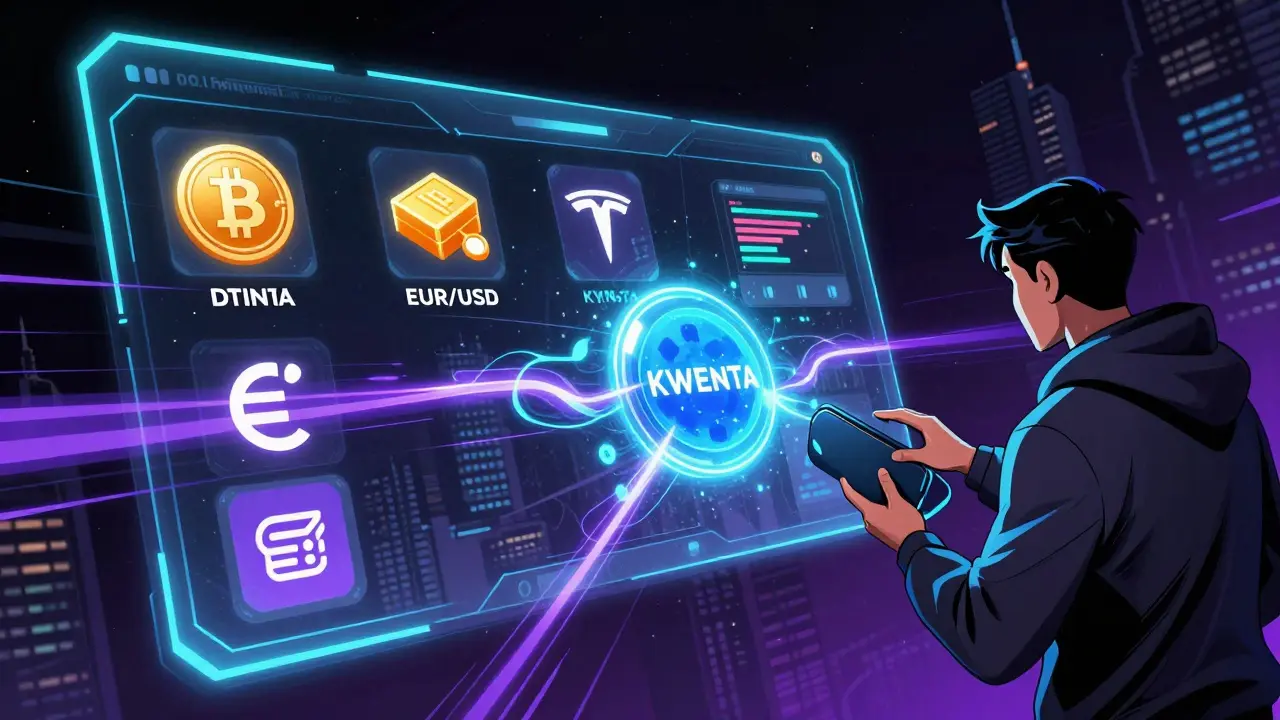
When you trade crypto without a middleman, you're using a Kwenta, a decentralized exchange built on Ethereum and Optimism for trading perpetual futures with no counterparty risk. Also known as Kwenta DEX, it lets you go long or short on Bitcoin, Ethereum, and even synthetic stocks—all without needing to hold the actual asset. Unlike centralized exchanges, Kwenta doesn’t hold your funds. You trade directly from your wallet using smart contracts, which means no KYC, no account freezes, and no third-party custody.
Kwenta doesn’t exist in a vacuum. It’s deeply tied to Synthetix, a protocol that creates synthetic versions of real-world assets like gold, Tesla stock, or the S&P 500. Also known as SNX, the Synthetix network powers Kwenta’s synthetic assets and provides the collateral behind every trade. Without Synthetix, Kwenta couldn’t offer those 100+ synthetic markets. Traders use Kwenta because it’s cheap—gas fees are low on Optimism—and fast, with near-instant trades and no slippage on small orders.
But it’s not all smooth sailing. Kwenta’s leverage can amplify losses just as fast as gains. If you’re trading 10x on ETH/USD and the market moves 10% against you, you’re wiped out. That’s why most active users on Kwenta aren’t beginners. They’re traders who understand liquidation risk, funding rates, and how to use stop-losses on-chain. And while Kwenta doesn’t require identity checks, that also means there’s no customer support if something goes wrong. You’re fully responsible.
Behind the scenes, Kwenta uses a unique mechanism called perpetual futures, a type of derivative contract with no expiry date that tracks the price of an asset using funding payments between long and short traders. This lets you hold positions indefinitely, unlike traditional futures that expire. Funding rates—paid every 8 hours—keep the price of the synthetic asset aligned with the real one. If longs are paying shorts, it means the market is bullish. If shorts are paying longs, it’s bearish. It’s a self-balancing system, but one that can get messy during big price swings.
Most of the posts you’ll find here dive into real-world cases: how traders used Kwenta to hedge against ETH drops, why some got liquidated during the 2022 crypto crash, and how the integration with wallets like Phantom and MetaMask made it easier to jump in. You’ll also see warnings about fake Kwenta airdrops—scammers love to impersonate DeFi platforms—and breakdowns of how to read the funding rate dashboard to avoid getting caught off guard.
Whether you’re looking to trade synthetic gold, short Bitcoin, or just understand how DeFi derivatives work, Kwenta is one of the most powerful tools out there. But power without knowledge is dangerous. The posts below give you the facts—no fluff, no hype—so you know exactly what you’re signing up for before you click ‘Trade’.