Rollups Explained: How Layer 2 Solutions Are Changing Blockchain
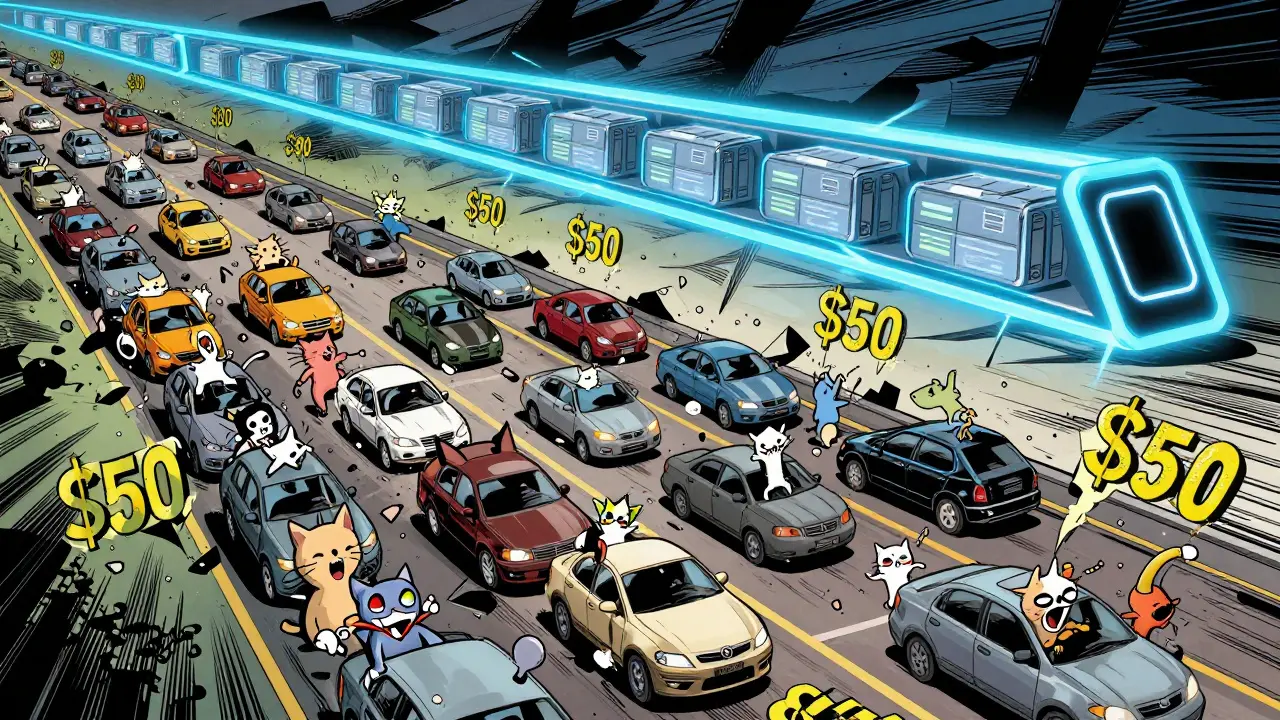
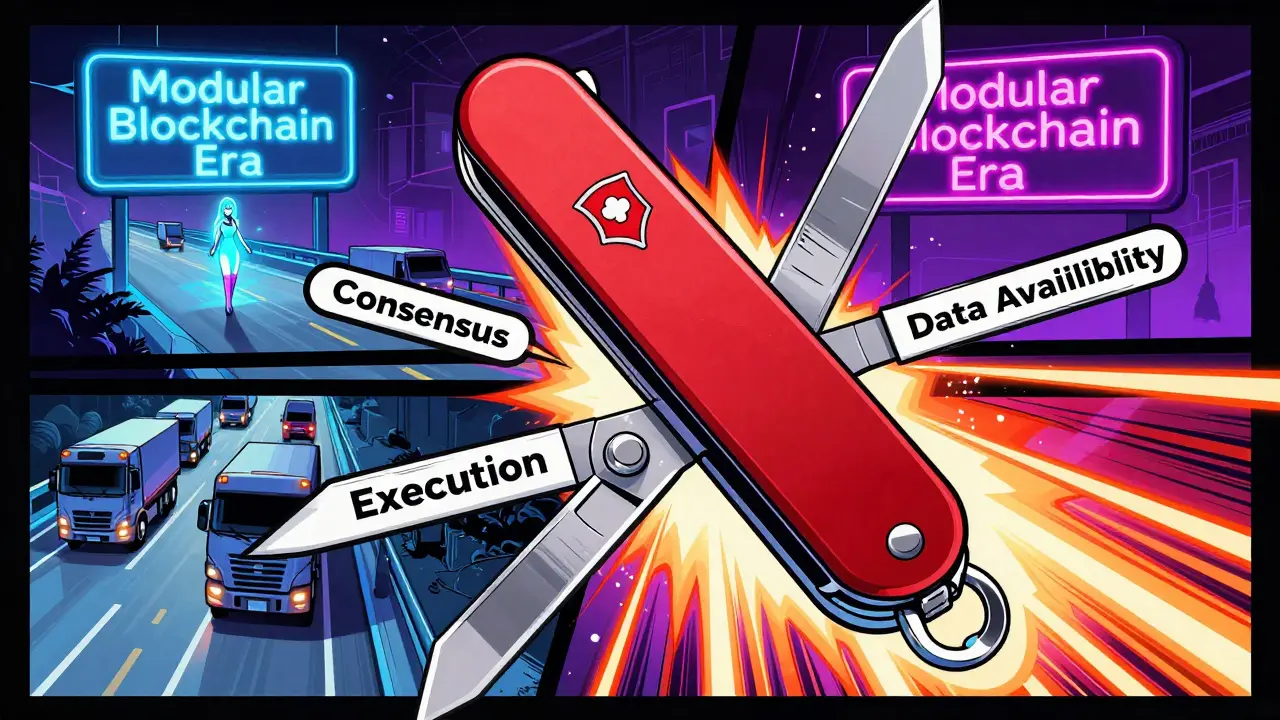
When you hear rollups, a type of Layer 2 scaling solution that processes transactions off-chain and posts summaries back to Ethereum. Also known as Layer 2 scaling, it lets blockchains handle way more transactions without slowing down or costing a fortune. Ethereum’s main chain is crowded and expensive. Rollups fix that by doing the heavy lifting elsewhere, then snapping the results back onto Ethereum like a receipt you can verify. This keeps the network secure while cutting fees and speeding things up.
There are two main types: optimistic rollups, assume transactions are valid unless someone challenges them within a window. Also known as fraud-proof rollups, they’re simpler to build and work well for complex apps like decentralized exchanges. Then there’s zk-rollups, use zero-knowledge proofs to mathematically prove transactions are correct without revealing details. Also known as privacy-focused rollups, they’re faster and more secure but harder to code. Both are used by major DeFi platforms today. Kwenta, for example, runs on Optimism—an optimistic rollup—so you can trade synthetic assets with low fees. Other projects like zkSync and StarkNet use zk-rollups to handle thousands of trades per second.
Rollups aren’t just about speed. They’re the reason DeFi is still alive on Ethereum. Without them, every swap, loan, or trade would cost $50 or more. Now, you can do the same thing for pennies. That’s why so many new tokens and apps are built on rollup chains like Arbitrum, Base, and Scroll. They’re not replacing Ethereum—they’re making it usable.
The posts below show you exactly how rollups are being used in real projects. You’ll find deep dives on platforms like Kwenta that run on Optimism, breakdowns of how token economies tie into Layer 2 infrastructure, and warnings about scams that pretend to be part of these ecosystems. Some posts even compare rollups to other scaling methods, so you know what’s actually working and what’s just noise. Whether you’re trading, staking, or just trying to avoid overpaying in gas fees, what’s here will help you cut through the hype.