TradeOgre Shutdown: What Happened and Where to Trade Now
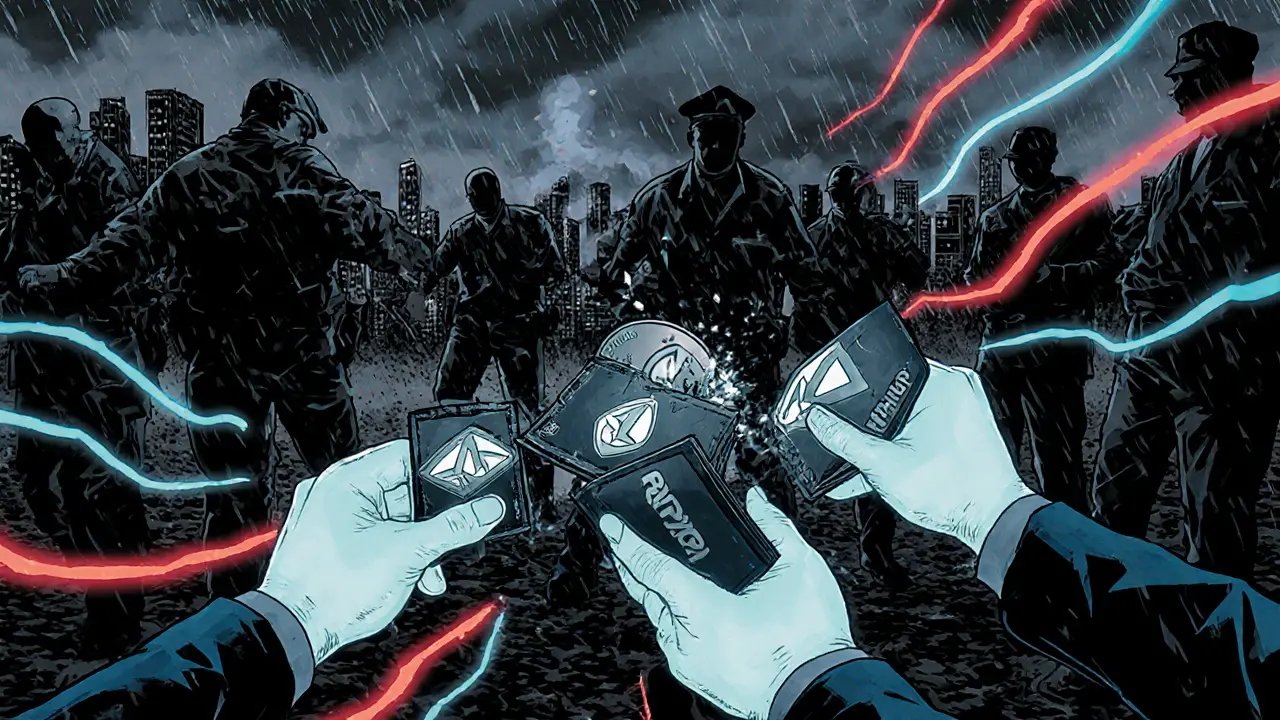
When TradeOgre, a no-kyc crypto exchange that let users trade obscure tokens without identity checks vanished overnight, hundreds of traders woke up to locked accounts and silence. There was no warning, no announcement—just a dead website and empty support tickets. TradeOgre wasn’t a giant like Binance or Coinbase. It was a niche platform popular for trading low-cap coins no one else listed. But that’s exactly why its shutdown matters: it exposed how fragile unregulated exchanges really are.
TradeOgre’s collapse wasn’t an accident. It followed the same pattern as other dead exchanges like BitWell, a platform that promised DeFi access but disappeared with user funds, and HyperPay Futures, a scammy futures exchange flagged for fake volume and withdrawal blocks. These platforms thrive on anonymity, low fees, and the promise of access to obscure tokens. But without audits, transparency, or regulatory oversight, they’re just waiting for the rug to be pulled. TradeOgre didn’t fail because of market conditions—it failed because it never had a real business model. No customer service, no legal structure, no path to sustainability. Just a website running on cheap hosting and a community of traders who didn’t know any better.
What’s worse? Many users still don’t realize how common this is. The crypto space is full of unregulated exchanges, platforms that operate without licenses, audits, or accountability. They lure you in with low fees and hidden coins, then vanish when they can’t cover withdrawals—or when someone decides to cash out. The lesson isn’t that you shouldn’t trade small tokens. It’s that you should never leave funds on any exchange that doesn’t answer your questions. If you can’t find a team, a legal address, or a history of customer support, walk away.
So what do you do now? Stop chasing the next obscure coin on a dead exchange. Use platforms that have proven track records, clear terms of service, and active customer support. Look for exchanges that publish audits, allow withdrawals without delays, and don’t hide behind anonymous teams. The market will always have risky plays—but you don’t have to be the one holding the bag when the lights go out.
Below, you’ll find real stories of exchanges that vanished, tokens that went to zero, and the red flags you can spot before it’s too late. These aren’t hypotheticals. These are the mistakes real people made—and how you can avoid them.