Web3 Publishing: What It Is and Why It’s Changing How Content Gets Shared
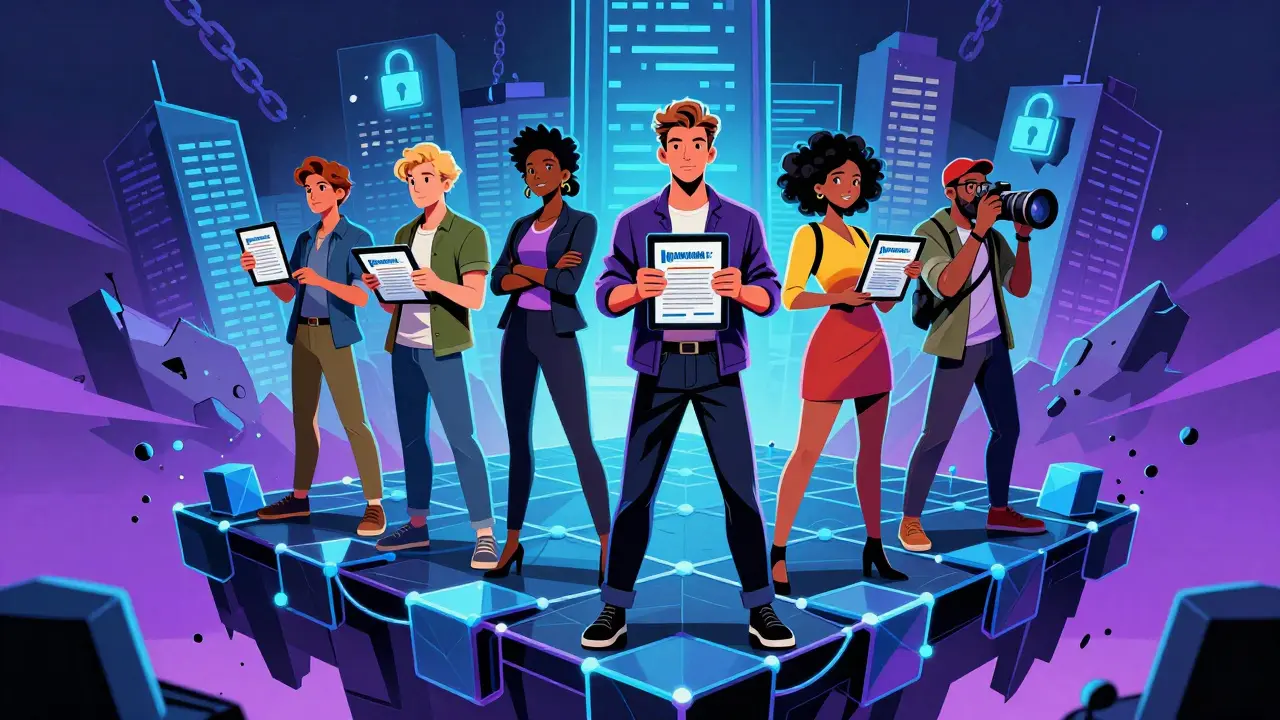
When you publish something on Web3 publishing, a system where content is stored and distributed on decentralized networks instead of corporate platforms. Also known as decentralized publishing, it lets writers, artists, and creators bypass companies like Medium, YouTube, or Twitter—and keep full control over their work and earnings. No more ads, no more shadow bans, no more sudden account deletions. Just you, your content, and the blockchain.
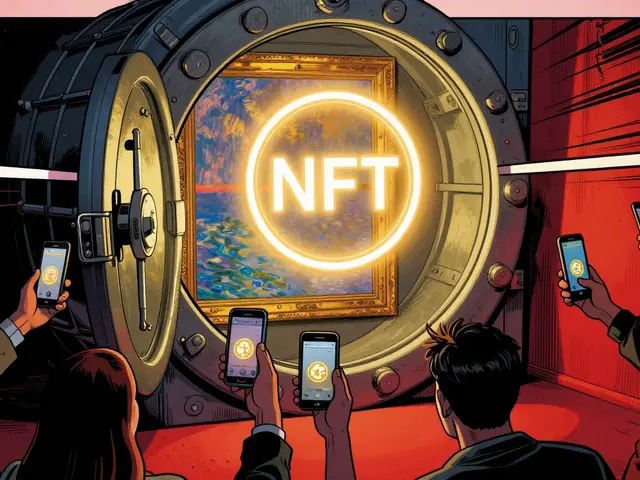
But Web3 publishing isn’t just about removing middlemen. It’s about ownership. With NFT publishing, a method where articles, videos, or music are minted as unique digital tokens on a blockchain, your post becomes a collectible asset. Readers can buy it, resell it, or even earn royalties when it’s traded later. That’s not theory—it’s already happening. Projects like Mirror and Zora let authors tokenize essays and get paid directly in crypto when someone tips or buys their work. Meanwhile, blockchain content, digital material stored on public ledgers like Ethereum or Base, making it permanent and tamper-proof can’t be deleted by a CEO’s decision. If you write something important, it stays online forever.
Still, most Web3 publishing efforts fail. Why? Because tech alone doesn’t build communities. You need readers who care, not just wallets that click. Look at the posts below—many are about fake airdrops, dead tokens, or scams pretending to be Web3 projects. That’s the noise. The real signal? The few creators who’ve built loyal audiences without relying on ads or algorithms. They use crypto payments, token-gated content, and reader-owned governance to stay independent. This collection shows you what works, what’s fake, and what to watch out for. You’ll see how real Web3 publishing looks in practice—not the hype, but the messy, slow, real-world results.