Zcash Exchange Ban: What Happened and Why It Matters
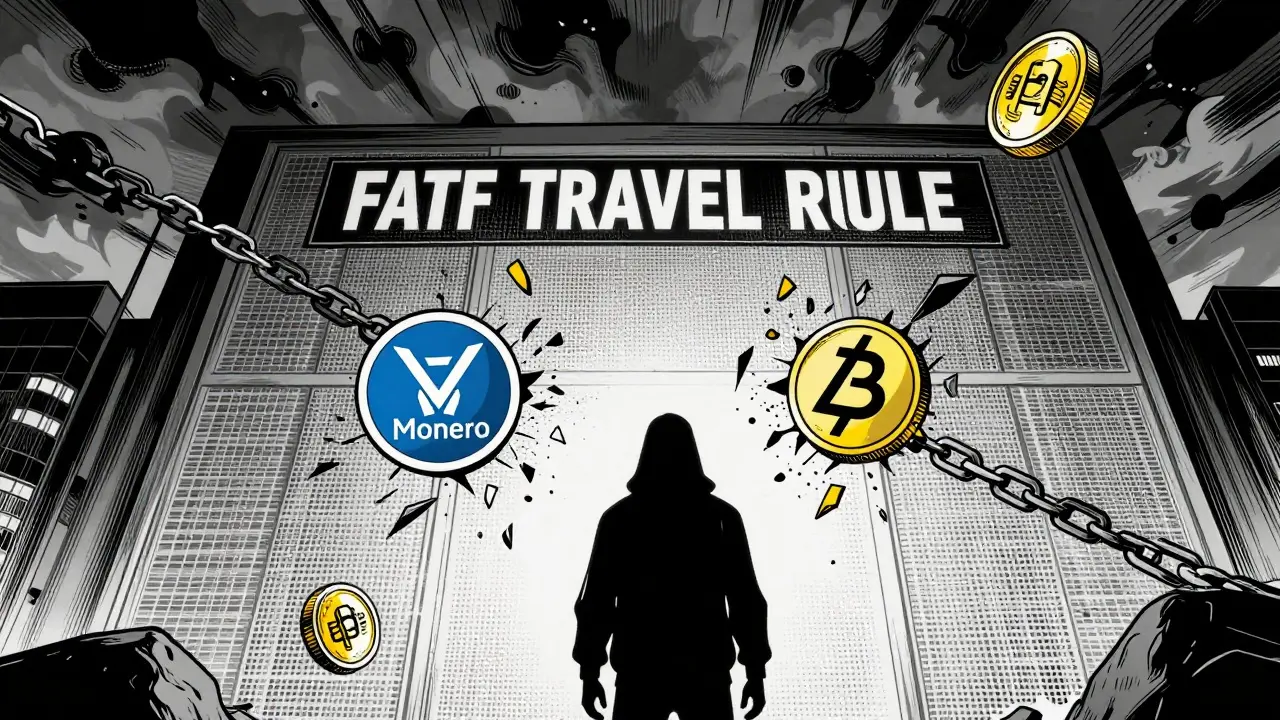
When Zcash, a privacy-focused cryptocurrency that hides transaction details using zero-knowledge proofs. Also known as ZEC, it was designed to give users real financial privacy got banned from major exchanges, it wasn’t just about one coin—it was a turning point for the entire privacy coin space. Zcash’s ability to conceal sender, receiver, and amount made it a favorite among privacy advocates. But regulators saw it as a tool for money laundering. In 2024, several centralized exchanges, including one in Canada, stopped listing Zcash after a major enforcement action tied to unregulated trading. This wasn’t a random move. It followed the TradeOgre shutdown, a Canadian crypto exchange seized for $40 million in Monero and other privacy coins, proving authorities were targeting anonymity in crypto transactions.
The Zcash exchange ban, the removal of ZEC from trading platforms due to regulatory pressure didn’t just hurt traders—it exposed a deeper conflict. On one side, you have users who want control over their financial data. On the other, governments demanding full transparency. This tension shows up in other posts you’ll find here: the rise of zero-knowledge proofs, a cryptographic method that lets you prove something is true without revealing the data in projects like Celestia and Zcash, and the growing crackdown on non-KYC exchanges like PulseX. The same regulatory pressure that hit Zcash is now spreading to other privacy tools. Even decentralized exchanges aren’t safe. If regulators can force CEXs to delist Zcash, what’s stopping them from pressuring DEX aggregators or liquidity providers? The answer: nothing yet. But the warning signs are clear.
What you’ll find in this collection isn’t just news about a ban. It’s a pattern. The same forces that took down TradeOgre, flagged SecretSky.finance as a scam, and shut down unregulated platforms are now targeting any crypto that doesn’t play by their rules. Zcash wasn’t the first privacy coin to face this, and it won’t be the last. But it’s one of the most technically sound. If regulators can silence Zcash, what does that mean for your wallet, your trades, and your right to privacy in crypto? The posts below break down exactly how these bans happen, who gets hurt, and how to navigate a world where anonymity is under siege. This isn’t theoretical—it’s happening right now, and you need to know how it affects you.