The Petro in Venezuela: How Government Restrictions and Sanctions Stifled the Crypto Program
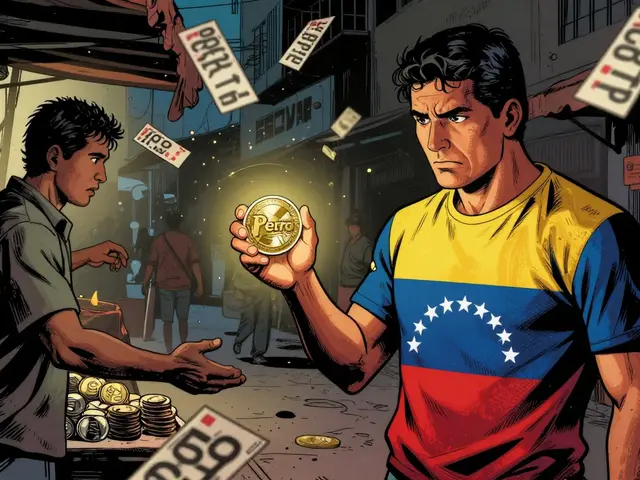
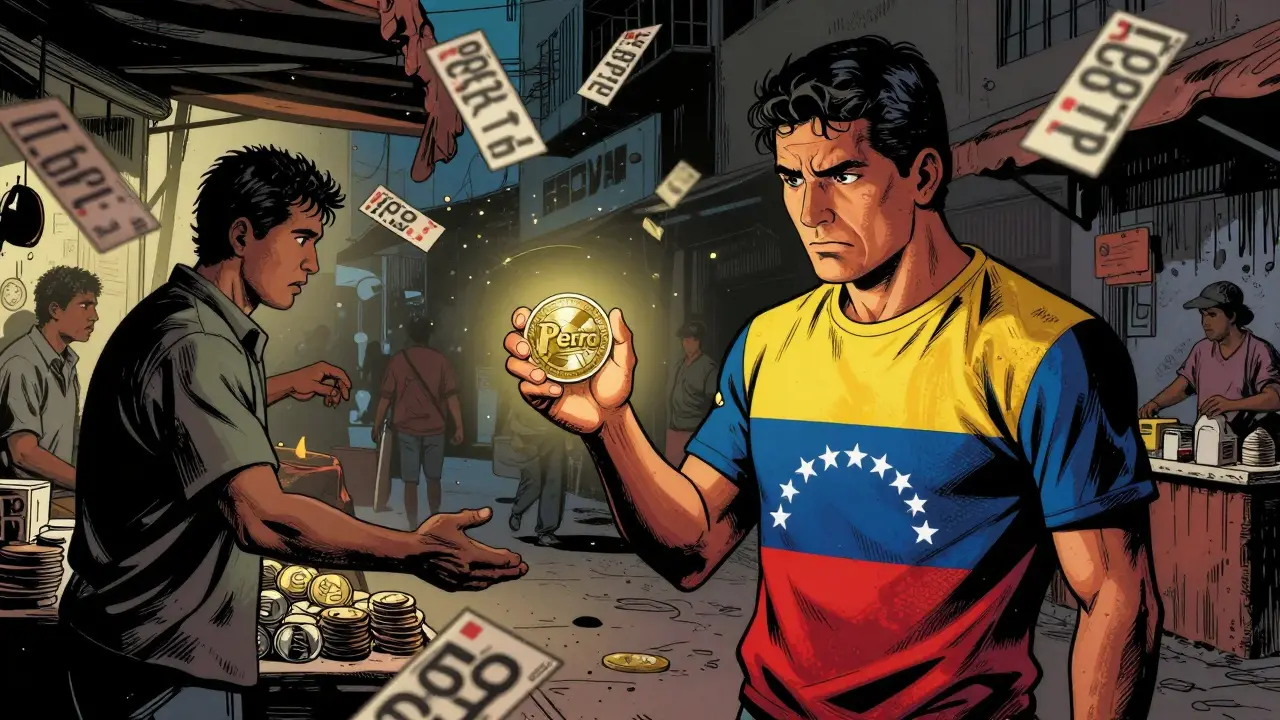
Imagine trying to buy a loaf of bread with a digital coin that only your government accepts, while the rest of the world refuses to recognize it. That is the reality of the Petro, Venezuela’s state-backed cryptocurrency. Launched in 2018 by President Nicolás Maduro, the Petro was promised as a savior for an economy drowning in hyperinflation and international isolation. It was supposed to be backed by oil, gold, and diamonds, offering a new path for financing.
Fast forward to June 2026, and the story is very different. The Petro did not become a global currency. Instead, it became a tool of control, hampered by severe domestic restrictions, international sanctions, and a lack of genuine market trust. If you are looking at Venezuela’s crypto landscape today, understanding why the Petro failed to gain traction requires looking past the political rhetoric and into the hard mechanics of regulation, technology, and enforcement.
The Federated Blockchain: Control Over Decentralization
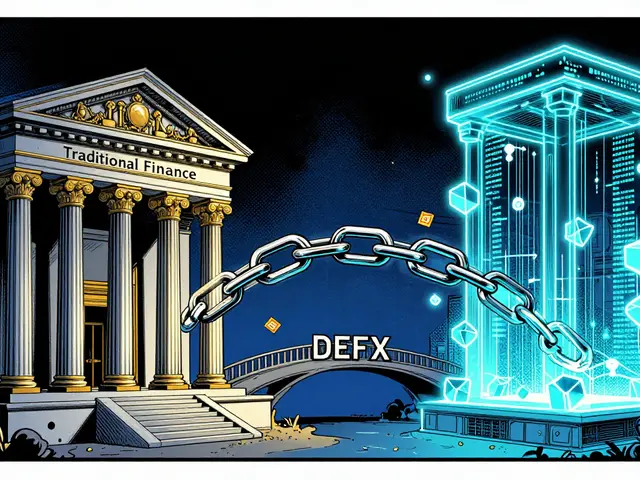
To understand the restrictions on the Petro, you first have to look at how it was built. Most cryptocurrencies like Bitcoin or Ethereum rely on decentralization. This means no single entity controls the ledger; thousands of independent nodes verify transactions globally. The Petro, however, operates on a federated blockchain architecture.
In this model, the Venezuelan government retains significant control over who can participate in verifying transactions. It is not open to everyone. This design choice was intentional. By centralizing authority, the state could monitor flows, enforce compliance, and prevent unauthorized mining. But this also stripped the Petro of one of the core values that make cryptocurrencies attractive to users: censorship resistance. If the government wants to block a transaction or freeze an address, they can. For many Venezuelans seeking financial freedom from state oversight, this made the Petro unappealing from day one.
The technical structure meant that the Petro was never truly "trustless." You had to trust the Venezuelan Superintendence of Crypto Assets and Related Activities (SUPCACVEN) to maintain the integrity of the network. This created a bottleneck where regulatory decisions directly impacted technical functionality, leading to frequent pauses and inconsistencies in the platform’s operation.
SUPCACVEN: The Regulatory Gatekeeper
At the heart of the Petro’s restriction framework is SUPCACVEN. Established in April 2018 under Presidential Decree, this agency was given sweeping powers to oversee all crypto asset activities in Venezuela. Its mandate includes registering miners, controlling exchanges, and collecting fees. In practice, SUPCACVEN acts as a gatekeeper, determining who gets to play and who gets locked out.
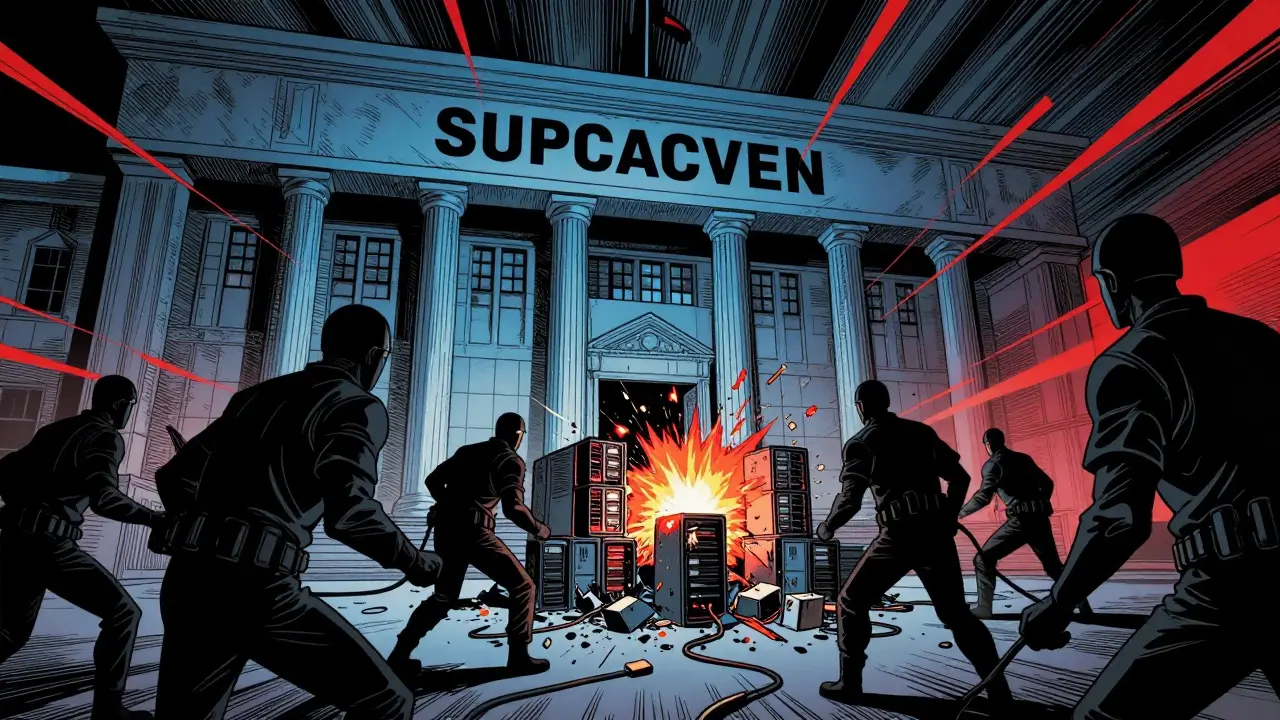
The restrictions imposed by SUPCACVEN go beyond simple registration. The agency has the authority to shut down mining operations deemed illegal or non-compliant. Throughout 2019 and 2020, there were numerous reports of authorities raiding private mining farms that operated outside the official Petro Zones. These raids were often justified under laws protecting national energy resources, as unauthorized mining consumed vast amounts of electricity from the already strained national grid.
For individual citizens, dealing with SUPCACVEN meant navigating a complex bureaucratic maze. To legally hold or trade Petros, individuals often needed to register with the government. This requirement violated the anonymity principle cherished by many crypto users. Consequently, most ordinary Venezuelans bypassed the Petro entirely, turning instead to decentralized alternatives like Bitcoin or stablecoins (such as USDT) which did not require government permission to use.
| Feature | Petro (PTR) | Bitcoin / Stablecoins |
|---|---|---|
| Governance | Federated (Government-controlled) | Decentralized (Community/Code-driven) |
| Regulatory Oversight | SUPCACVEN mandatory registration | No central regulator |
| Anonymity | Low (KYC required) | High (Pseudonymous) |
| International Acceptance | Minimal (Sanctioned) | Global |
| Primary Use Case | Government services/fuel | Savings, remittances, commerce |
International Sanctions: The External Wall
While domestic restrictions limited internal adoption, international sanctions effectively walled off the Petro from the global financial system. The United States has been particularly aggressive in targeting Venezuelan cryptocurrency activities. Measures such as Congressional bill S.37 aimed to codify financial sanctions on Venezuelan debt and crypto-related technologies.
These sanctions mean that major international exchanges-like Binance, Coinbase, or Kraken-cannot list the Petro. Without listing on these platforms, the Petro lacks liquidity. Liquidity is what allows you to easily convert your crypto into dollars, euros, or other currencies. Because the Petro cannot be traded freely on global markets, its value remains theoretical rather than market-determined.
This isolation forced the Venezuelan government to attempt private sales of Petros to foreign entities, often at steep discounts. Leaked documents revealed that advisory groups recommended selling billions worth of Petros at up to 60% below the official valuation just to find buyers. This signaled to the world that even sophisticated investors did not believe in the Petro’s stated worth. The sanctions turned the Petro into a financial pariah, usable almost exclusively within Venezuela’s borders.
Mandatory Adoption and the Petro Zones
Facing low organic demand, the government resorted to coercion. In January 2020, President Maduro decreed that certain government document services and airplane fuel must be paid for using the Petro. This was not voluntary adoption; it was a mandate. Citizens wanting to renew their passports or airlines needing jet fuel had no choice but to acquire Petros.
To support this, the government established four designated "Petro Zones" in areas like Margarita Island, Los Roques Archipelago, Paraguaná peninsula, and the Ureña-San Antonio area near the Colombian border. These zones offered tax incentives, including exemptions from import duties on electronic equipment for two years. The goal was to boost virtual mining and encourage local commerce in Petros.
However, the impact was limited. While some mining activity occurred due to the tax breaks, widespread commercial acceptance remained scarce. Merchants in these zones still preferred hard currency or stablecoins because the Petro’s value fluctuated unpredictably and its utility outside the zone was negligible. The restrictions on moving wealth out of the country further discouraged businesses from holding large amounts of Petros.
Political Legitimacy and Legal Uncertainty
A critical restriction facing the Petro is its lack of legal legitimacy in the eyes of half the country. When the Petro launched in March 2018, Venezuela’s National Assembly, controlled by the opposition Democratic Unity Roundtable, immediately declared it illegal. They argued it was an unauthorized debt issuance by a cash-strapped executive branch.
This political divide created a dual reality. On one side, the executive branch and its allies enforced the Petro. On the other, the legislative branch and many citizens rejected it. This uncertainty made long-term planning impossible for businesses. Could you legally accept payment in Petros? Would those funds be recognized by courts if disputes arose? The answer depended on which part of the government you asked. This legal ambiguity acted as a massive barrier to institutional adoption.
The Rise of Alternatives
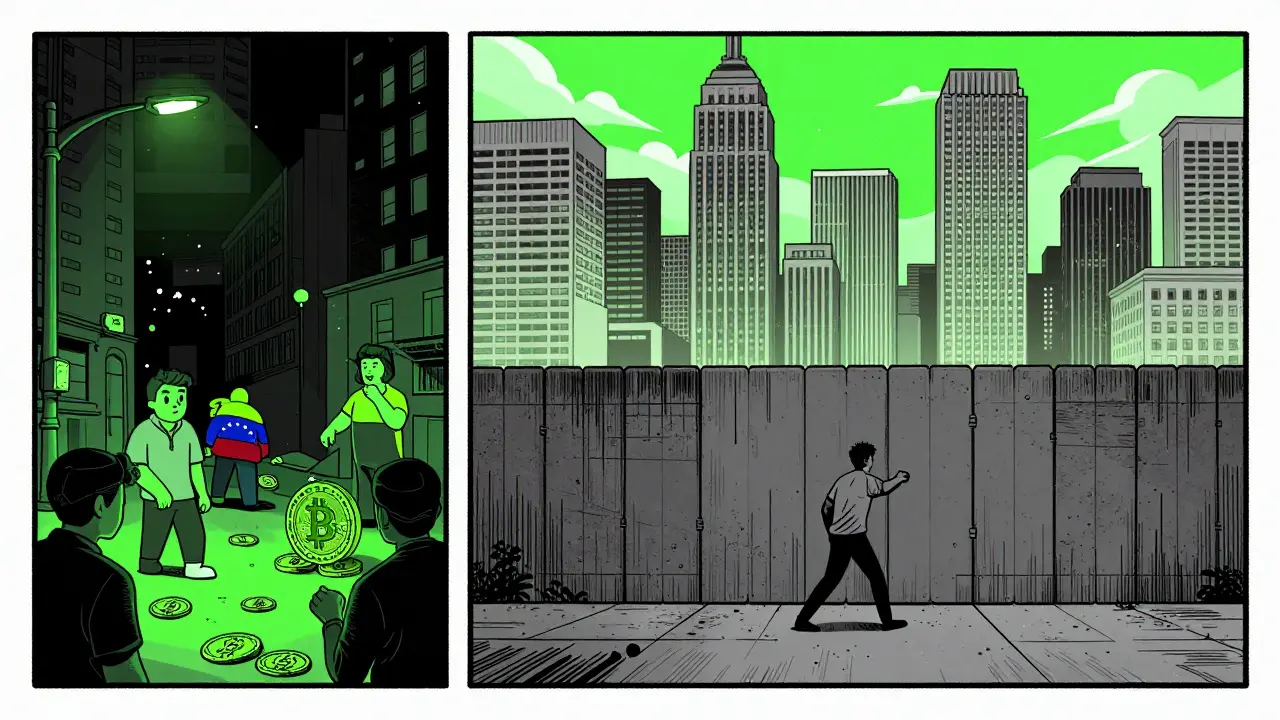
Perhaps the biggest indicator of the Petro’s failure is what Venezuelans actually use. Despite government mandates, the population gravitated toward decentralized cryptocurrencies. Bitcoin became a store of value against hyperinflation. Tether (USDT), a dollar-pegged stablecoin, became the de facto currency for daily transactions, online shopping, and salary payments.
Why? Because unlike the Petro, these assets do not require SUPCACVEN approval. You can send them anywhere in the world without fear of government seizure (provided you secure your private keys). They are not subject to the whims of presidential decrees. The restrictions placed on the Petro pushed innovation underground, fostering a vibrant black market for decentralized crypto services that operate entirely outside the state’s reach.
Current Status in 2026
As of mid-2026, the Petro remains a niche instrument. It is primarily used for specific government-mandated transactions and occasionally for small-scale domestic trade in the Petro Zones. Its role as a tool for international financing has proven ineffective due to persistent sanctions and lack of investor confidence. The federated blockchain continues to operate under strict supervision, but it has not evolved into a robust economic engine.
The program serves more as a symbol of monetary sovereignty rhetoric than a functional financial product. For anyone interacting with Venezuela’s economy today, the lesson is clear: when a cryptocurrency is restricted by heavy-handed regulation, international sanctions, and political controversy, it fails to deliver the benefits of openness and efficiency that define the broader crypto movement.
Is the Petro cryptocurrency legal in Venezuela?
Legally, the Petro is recognized by the executive branch of the Venezuelan government and regulated by SUPCACVEN. However, the opposition-controlled National Assembly declared it illegal upon its launch in 2018. This creates a state of legal uncertainty where its validity depends on which government institution you engage with. For practical purposes, it is accepted for specific government services but lacks broad legal standing in civil courts overseen by opposition-aligned jurisdictions.
Can I buy Petro cryptocurrency on international exchanges?
No, you generally cannot buy Petro on major international exchanges like Binance or Coinbase. Due to strict U.S. and international sanctions targeting Venezuelan financial instruments, global platforms delist or refuse to list the Petro. Trading usually occurs through peer-to-peer methods within Venezuela or via specialized, less liquid private offerings, often at significant discounts to the official price.
What is SUPCACVEN's role in restricting crypto usage?
SUPCACVEN (Superintendence of Crypto Assets and Related Activities) acts as the primary regulatory body. It restricts usage by requiring mandatory registration for miners and traders, enforcing compliance with federal blockchain rules, and conducting raids on unauthorized mining operations. It essentially centralizes control, preventing anonymous or decentralized crypto activities that fall outside its purview.
Why do Venezuelans prefer Bitcoin over the Petro?
Venezuelans prefer Bitcoin and stablecoins because they are decentralized and censorship-resistant. Unlike the Petro, which is controlled by the government and subject to freezing or devaluation by decree, Bitcoin offers true ownership and global liquidity. Users can transact without government permission, making it a safer haven against hyperinflation and political instability.
Are the Petro Zones still active in 2026?
Yes, the four Petro Zones (Margarita Island, Los Roques, Paraguaná, and Ureña-San Antonio) remain officially active. They continue to offer tax incentives for mining equipment imports. However, their economic impact is limited. While some mining exists, widespread commercial adoption of the Petro for everyday goods remains low compared to the use of stablecoins and hard currency in these regions.