
How to Accept Crypto for VPN, Proxy, and Privacy-Tool Subscriptions
Imagine you run a service that protects people's online identities. You want your customers to pay without handing over their credit card numbers or linking their bank accounts to a digital footprint. For years, the standard advice was to accept Bitcoin. But if you look at the landscape in mid-2026, it is much more complex than just tossing coins into a wallet address.
If you are building or managing a VPN, Virtual Private Network service that encrypts internet traffic, a proxy provider, or any privacy-focused tool, accepting cryptocurrency has shifted from a niche feature to a core expectation. Users demand it. Competitors offer it. The challenge now is not just saying "we take BTC," but setting up a system that handles volatility, confirms transactions securely, and actually protects the user's anonymity without exposing your business to fraud.
The Shift From Niche to Standard
A decade ago, asking for a VPN that accepted Bitcoin felt like looking for a needle in a haystack. In 2013, forum users were debating whether offshore providers even existed. Today, major players like ExpressVPN, NordVPN, and Proton VPN list crypto right alongside PayPal and Apple Pay on their checkout pages.
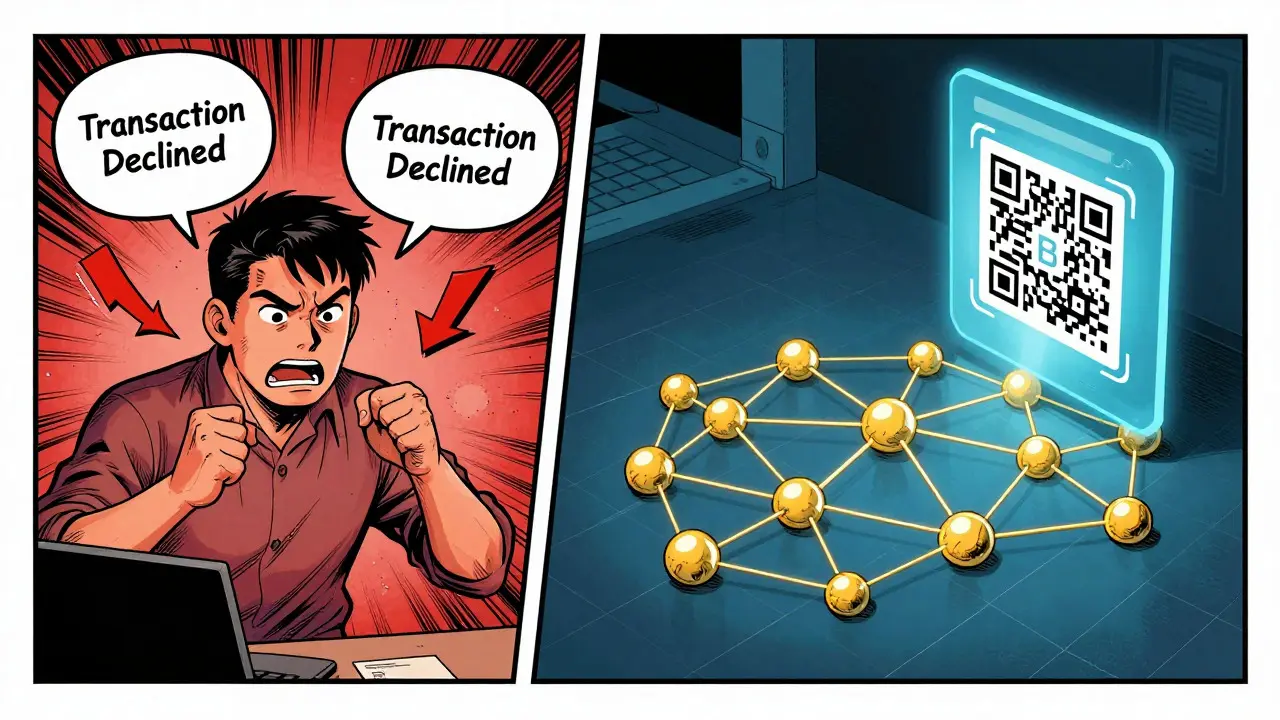
This change reflects a deeper reality: privacy-conscious users do not trust traditional payment rails. They know that credit card processors can flag transactions coming from Tor browsers or anonymizing proxies as "high risk" and block them. By offering crypto, providers remove the friction of chargebacks and identity verification at the payment stage.
However, the market has matured. It is no longer enough to simply display a QR code. Providers now use sophisticated gateways to handle dozens of assets, including stablecoins like USDC and USDT, which protect both the merchant and the buyer from price swings during the confirmation window.
Understanding the Payment Architecture
When a customer clicks "Pay with Crypto" on your site, what actually happens? There are generally two models: direct integration and third-party gateways.
Third-Party Gateways: Most mainstream providers use services like BitPay or CoinGate. These platforms sit between your billing system and the blockchain. When a user selects Bitcoin, the gateway generates a unique invoice, monitors the network for the transaction, and sends a webhook to your server once the required number of confirmations is reached. This is convenient because these gateways handle currency conversion, often settling funds in fiat or stablecoins to reduce your exposure to market volatility.
Direct Integration: Some privacy-first brands, like Proton VPN, prefer to handle payments natively. They generate a new Bitcoin address for every invoice directly within their app interface. This approach offers greater control and avoids third-party branding, but it requires robust backend infrastructure to monitor the blockchain, manage address reuse risks, and handle different networks (like avoiding Lightning Network errors).
For proxy services, which often operate on a per-IP or bandwidth basis, the architecture must be even more precise. Providers like IPRoyal and anyIP use gateways to calculate exact crypto amounts based on real-time exchange rates. Since proxy usage can be automated, the payment system must instantly credit balances or activate IPs upon confirmation to keep scraping or trading bots running smoothly.
The Anonymity Myth: What Users Actually Get
You need to manage expectations carefully. Marketing your service as "anonymous" because you accept Bitcoin is dangerous. Experienced users know that Bitcoin is transparent; every transaction is recorded on a public ledger.
If a user buys Bitcoin with their credit card and immediately pays your VPN invoice, their identity is linked to that payment. True anonymity requires layers. Community discussions consistently highlight workflows where users buy prepaid gift cards with cash, use those to acquire Bitcoin on peer-to-peer markets, and then send the coins to your service. Even then, they might mix the coins or swap them for Monero first.
Your role is to minimize the data you collect, not to guarantee blockchain invisibility. Services like Mullvad succeed by requiring only an account number, not an email or name, while accepting Monero-a privacy coin designed to obscure transaction details. If you accept Bitcoin, warn your users that it is not fully anonymous. Suggest they obtain their coins privately. This transparency builds trust with the very audience you are trying to serve.
Crypto vs. Traditional Payments: The Trade-offs
Why should you bother with crypto when credit cards work everywhere? Let's look at the practical differences for your business operations.
| Feature | Credit Cards / PayPal | Cryptocurrency |
|---|---|---|
| Anonymity | Low (KYC required) | Medium to High (depends on coin/source) |
| Reversibility | High (chargebacks possible) | None (transactions are final) |
| Fees | 2-4% + fixed fees | Network gas fees + gateway fee (often lower) |
| Global Access | Limited by banking regulations | Universal (internet access only needed) |
| User Friction | Low (familiar process) | Medium (wallet setup, network selection) |
The biggest advantage for merchants is the elimination of chargebacks. In the high-risk world of VPNs and proxies, fraudulent chargebacks can destroy margins. Crypto payments are irreversible. Once the blockchain confirms the transaction, the money is yours. This structural finality is why many solo founders and small operators prefer it.
On the flip side, volatility is a headache. If a user takes ten minutes to decide whether to pay, the value of the Bitcoin invoice could drop significantly. This is why modern gateways lock exchange rates for short windows (usually 15-30 minutes) and support stablecoins like USDC, which peg to the dollar and eliminate this risk entirely.
Best Practices for Implementation
If you are integrating crypto payments today, here is how to do it right without alienating your users.
- Support Stablecoins: Always offer USDC or USDT alongside Bitcoin. Users engaged in crypto trading already hold these assets, and they appreciate paying for subscriptions without worrying about price fluctuations.
- Use a Robust Gateway: Unless you have a dedicated engineering team, use a processor like CoinGate, BitPay, or a specialized solution like TxNod. These tools handle the complexity of address generation, multi-chain support, and webhook notifications so you don't have to build a blockchain node from scratch.
- Clarify Network Requirements: Mistakes happen. Users send Ethereum tokens via the wrong network and lose their funds. Your checkout page must explicitly state which networks are supported (e.g., "Send BTC via Bitcoin Network only, not Lightning").
- Automate Renewals: Unlike credit cards, crypto wallets cannot be charged automatically. Implement a system that emails users a new invoice before their subscription expires. Make it easy for them to click and pay again.
- Minimize Data Collection: Align your signup process with your payment method. If you accept anonymous payments, do not force users to provide a verified phone number. Offer disposable email options and account-number-only logins.
Choosing the Right Infrastructure
Not all payment processors are created equal. General-purpose gateways work fine for large enterprises, but smaller operators often face hurdles like strict KYC requirements, monthly minimums, or frozen accounts due to "high-risk" categorization.
For indie hackers and solo founders running privacy tools, non-custodial solutions are gaining traction. Platforms like TxNod allow merchants to connect their own hardware wallets (like Ledger or Trezor) directly to the billing system. This means funds settle straight into the merchant's personal wallet, bypassing platform custody entirely. There are no payout holds, no account freezes, and no hidden percentage fees on volume-just a flat subscription cost. This model appeals to operators who value sovereignty and want to avoid the friction of traditional financial intermediaries.
Additionally, modern SDKs make integration faster. With TypeScript-first libraries and AI-agent-ready documentation, developers can spin up a sandbox environment in minutes, test webhooks, and go live without deep expertise in blockchain infrastructure. The goal is to reduce the time from "idea" to "first payment" to under an hour.
Future Trends: Beyond Bitcoin
The ecosystem is evolving rapidly. As Layer-2 solutions mature, we will likely see more VPNs and proxy providers adopting faster, cheaper networks to reduce confirmation times. The dominance of Bitcoin is being challenged by privacy coins like Monero and decentralized finance tokens.
We are also seeing a rise in vertical-specific processors. Just as 0xProcessing focuses on proxy services, other niche gateways are emerging to handle the specific needs of recurring billing and balance crediting for API-based services. Expect broader asset support, including jettons on TON and native assets on Cardano, as global user bases diversify.
Ultimately, accepting crypto for privacy tools is no longer optional. It is a signal of alignment with your users' values. By implementing secure, transparent, and user-friendly payment flows, you not only expand your market reach but also reinforce the trust that is central to your brand.
Is accepting Bitcoin for VPNs truly anonymous?
No, Bitcoin is not fully anonymous. Transactions are recorded on a public ledger. To maintain anonymity, users should obtain Bitcoin through private means (like P2P exchanges with cash) or swap it for privacy coins like Monero before paying. Merchants should clarify this distinction to manage user expectations.
Which cryptocurrencies do most VPN providers accept?
Most major providers accept Bitcoin (BTC), Ethereum (ETH), Litecoin (LTC), and stablecoins like USDC and USDT. Many also support TRON (TRX) and BNB. Using stablecoins is recommended to avoid volatility issues during the payment process.
How do proxy services handle recurring crypto payments?
Since crypto wallets cannot be auto-charged, proxy services typically send an invoice via email before the subscription expires. Users must manually approve and send the payment. Some advanced gateways automate the creation of these invoices and track confirmations to instantly renew service.
What is the best way to integrate crypto payments for a small startup?
Small startups should use a reliable payment gateway like CoinGate or BitPay for ease of use, or a non-custodial solution like TxNod for full control and lower fees. Avoid building custom blockchain monitoring unless you have significant engineering resources. Ensure your checkout clearly specifies supported networks to prevent lost funds.
Do crypto payments help avoid chargebacks?
Yes, one of the primary benefits of crypto payments is their irreversibility. Once a transaction is confirmed on the blockchain, it cannot be disputed or reversed by the buyer. This eliminates chargeback fraud, which is common in high-risk industries like VPNs and proxies.