Bitcoin Economics: How Supply, Demand, and Regulation Shape Crypto Value
When you hear Bitcoin economics, the study of how Bitcoin’s fixed supply, network behavior, and market forces determine its value over time. It's not like stocks or fiat—it's a digital asset with rules written in code, not central banks. That’s why its price doesn’t move just because someone says it will. It moves because miners stop producing new coins, governments crack down on exchanges, or people in Argentina buy it to save their savings from inflation.
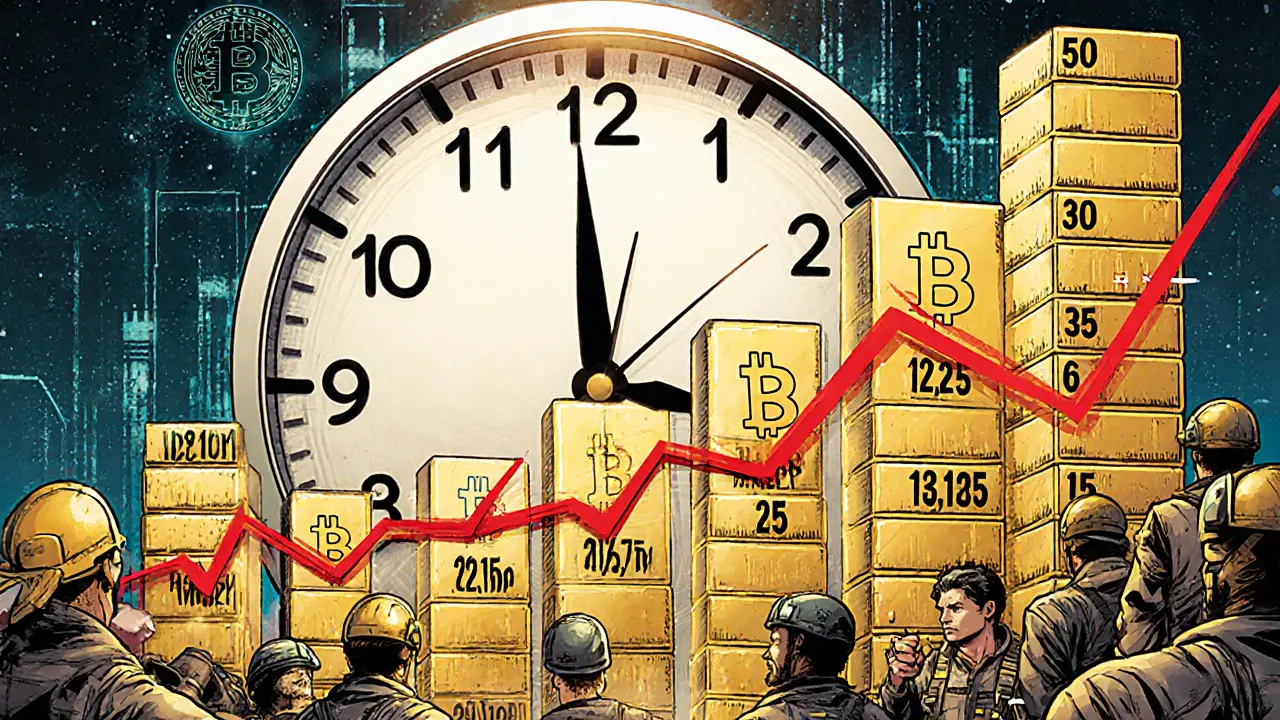
Bitcoin supply, the capped limit of 21 million coins, with over 19.5 million already mined is the core engine behind its value. Unlike the U.S. dollar, which the Federal Reserve can print endlessly, Bitcoin’s issuance halves every four years. That’s why people call it digital gold. But supply alone doesn’t drive price—Bitcoin demand, the real-world use cases, institutional adoption, and retail interest that pull people to buy does. When El Salvador made Bitcoin legal tender, or when BlackRock filed for a Bitcoin ETF, demand spiked. When Canada shut down TradeOgre and seized $40 million in crypto, it didn’t hurt Bitcoin—it reminded everyone that regulation is now part of the equation.
Crypto regulation, government actions that control how crypto is traded, taxed, or seized isn’t the enemy of Bitcoin—it’s becoming its environment. The same way banks had to adapt to anti-money-laundering laws, Bitcoin had to adapt to enforcement raids and KYC demands. That’s why exchanges like UBIEX and BitWell died—they ignored compliance. Bitcoin itself? It’s too decentralized to shut down, but its access points aren’t. That’s why understanding Bitcoin economics means understanding not just the blockchain, but the legal and financial systems around it.
What you’ll find below aren’t just articles about price charts. You’ll see how real events—like the MTLX airdrop, the death of RUGAME, or the rise of zero-knowledge tech—tie back to the same forces: scarcity, trust, and control. Some posts show you how people try to game the system. Others show you why Bitcoin keeps winning, even when everything else crashes. This isn’t theory. It’s what’s happening right now.