2025/11 Crypto Archive: DEXs, Airdrops, and Crypto Regulations Explained
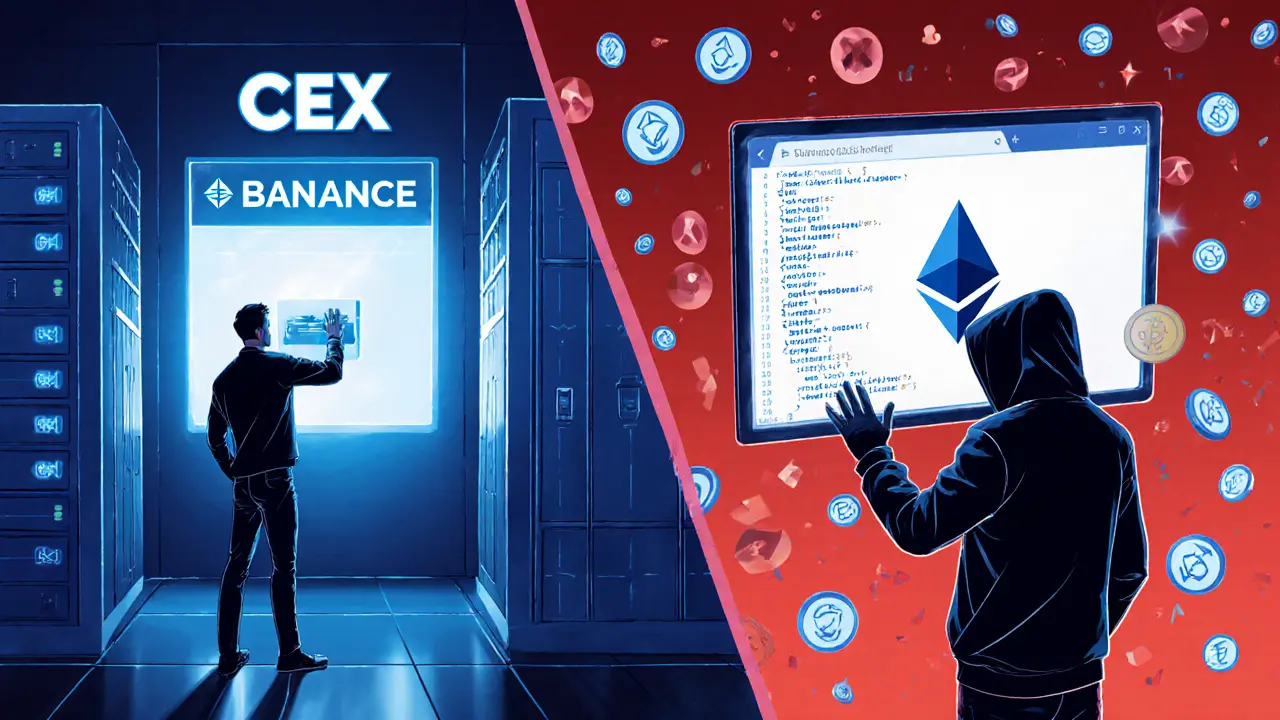
When you’re trading or investing in decentralized exchange, a crypto platform where users trade directly without a middleman, often using smart contracts. Also known as DEX, it’s become the go-to for traders who want control over their funds—but not all DEXs are safe or even real. In November 2025, the market showed just how messy this space can get. PulseX offered low fees on PulseChain, but warned users it had almost no liquidity. Balancer v2 on Arbitrum gave advanced traders customizable pools, but was too complex for newcomers. And BitWell? It vanished, leaving users locked out. These aren’t just reviews—they’re warnings.
Meanwhile, crypto airdrop, a free distribution of tokens to attract users, often tied to social tasks or wallet activity. Also known as token giveaway, it’s a tool used by startups to build communities turned into a minefield. Artify and KALATA promised free tokens through CoinMarketCap, but winners never got paid. Starchi Launch claimed an ELIXIR airdrop that didn’t exist. These aren’t mistakes—they’re scams dressed as opportunities. And the pattern is clear: if it sounds too easy, it’s either dead or designed to steal your crypto. On the flip side, real airdrops like OneRare’s Foodverse NFTs gave actual utility, not just hype.
crypto regulation, government rules that define how crypto can be used, taxed, or traded legally. Also known as cryptocurrency law, it’s reshaping who can operate and where became impossible to ignore. Nigeria finally required exchanges to get SEC licenses. Brazil slapped a flat 17.5% tax on all crypto gains. Canada seized $40 million from TradeOgre, proving even anonymous coins like Monero aren’t safe from enforcement. This isn’t about banning crypto—it’s about forcing it into the real financial world. If you’re trading, staking, or earning from DeFi, you’re now part of a regulated system. Ignoring it isn’t bravery—it’s risk.
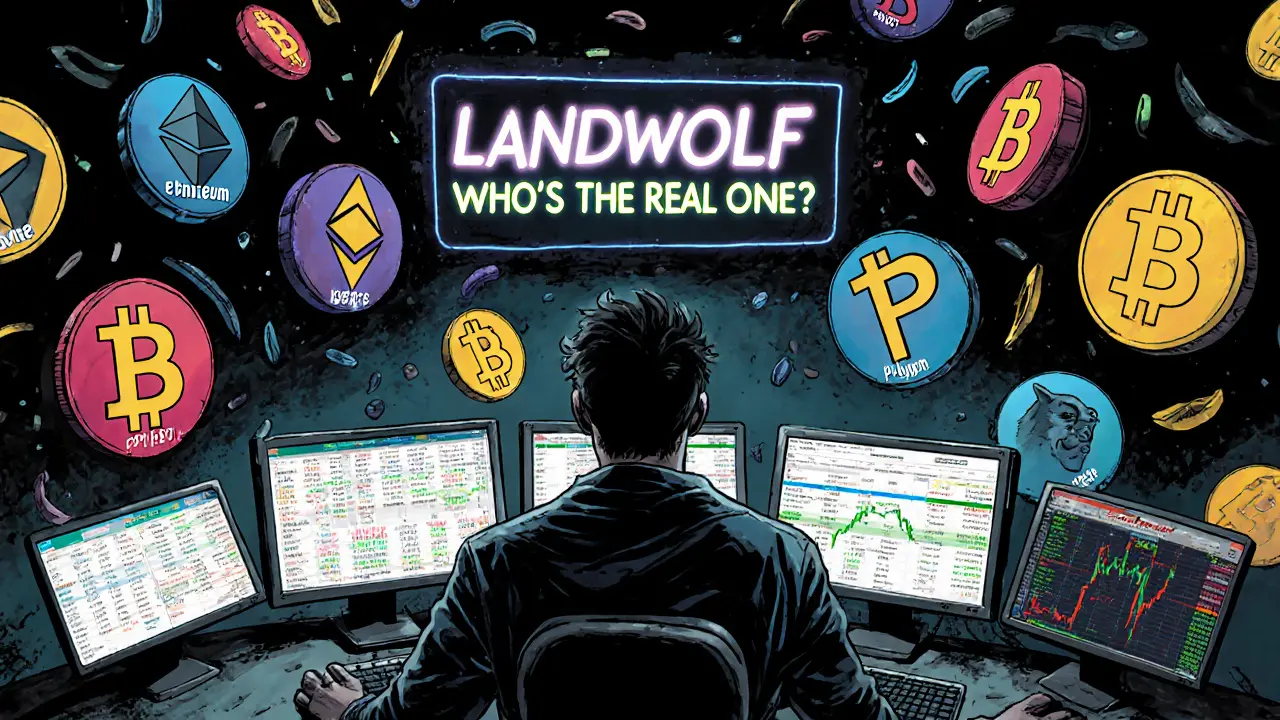
And then there’s blockchain gaming, games built on blockchains where in-game items are owned as NFTs and can be traded outside the game. Also known as play-to-earn, it promised freedom but delivered mostly frustration. DOGAMÍ had backing from Ubisoft, but players earned pennies after spending dollars. Landwolf and RUGAME had no team, no game, and no future. Gaming NFTs aren’t dead—but the hype is. The real winners are those who understand utility, not just token names.
What you’ll find below isn’t just a list of posts. It’s a map of what actually happened in crypto this month: the platforms that worked, the scams that exploded, the laws that changed, and the tokens that vanished. No fluff. No guesses. Just facts from the front lines.