
Cross-border Crypto Transfers from China: How to Move Bitcoin Abroad in 2026
As of 2026, moving Bitcoin out of China is illegal. The government bans all crypto ownership, tracks transactions, seizes assets, and punishes violators. There are no legal workarounds.

E-CNY vs Bitcoin: How China Is Building a State-Controlled Digital Currency to Replace Crypto
China's e-CNY is a state-controlled digital currency designed to replace Bitcoin and eliminate private crypto use. With full traceability, no anonymity, and strict bans on trading, it represents a radical shift in monetary power - not innovation.
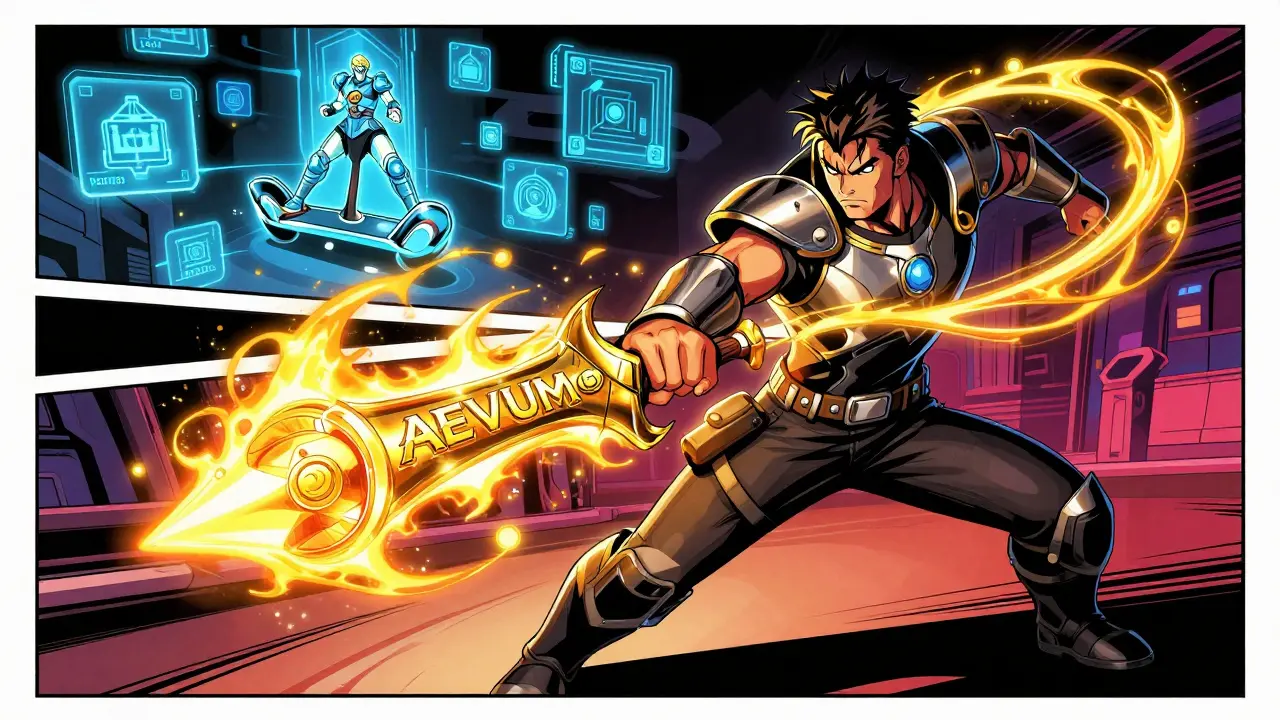
What is Aevum (AEVUM) crypto coin? A deep look at the gaming token behind Vivaion
Aevum (AEVUM) is a gaming token built for the Vivaion MMORPG on Solana. It's not for trading - it's for crafting, owning, and selling in-game items as NFTs. Learn how it works and why it matters.

How Bolivians Access Crypto Exchanges After the Ban Was Lifted
Bolivia lifted its decade-long crypto ban in 2024 and now has one of Latin America’s most detailed crypto frameworks. Bolivians access exchanges legally through regulated platforms and stablecoins, with adoption growing over 500% in one year.
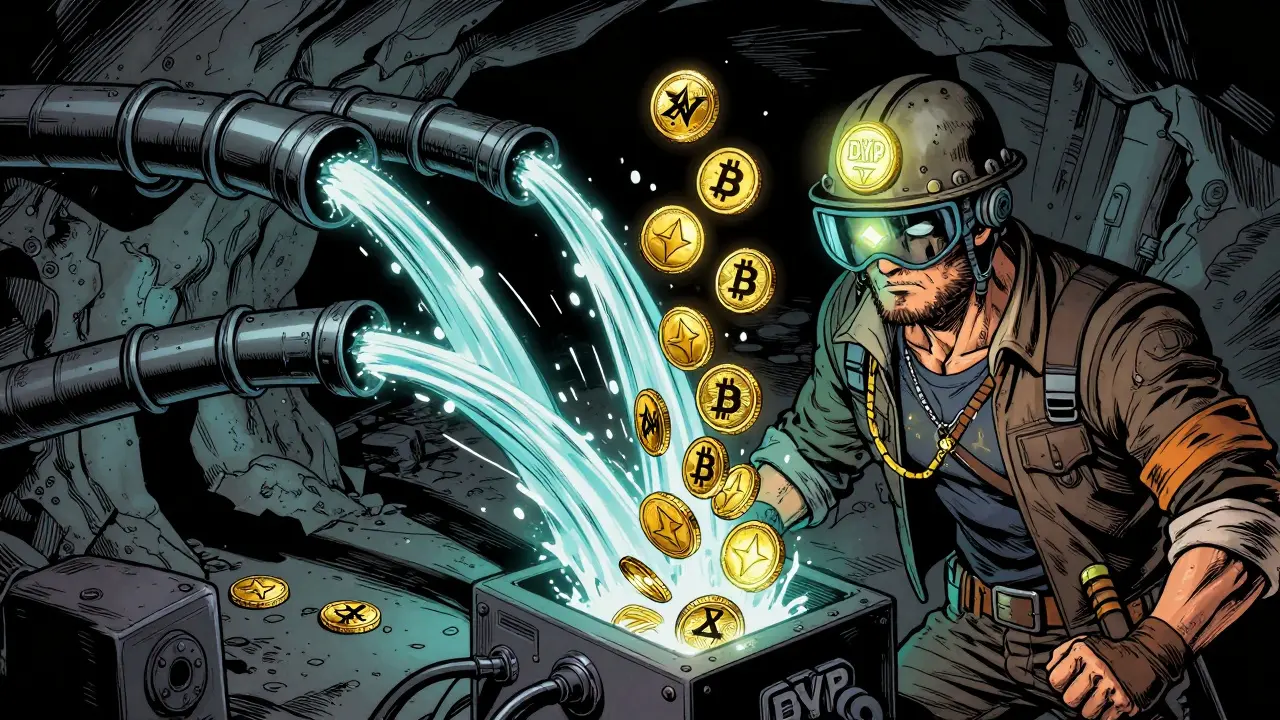
DYP DeFi Yield Protocol Airdrop Details: How the Original Mining Pool Incentive Worked
The original DYP airdrop by DeFi Yield Protocol rewarded miners with 10% of their ETH income in DYP tokens. It wasn't a gimmick-it built a real community that still powers Dypius today.
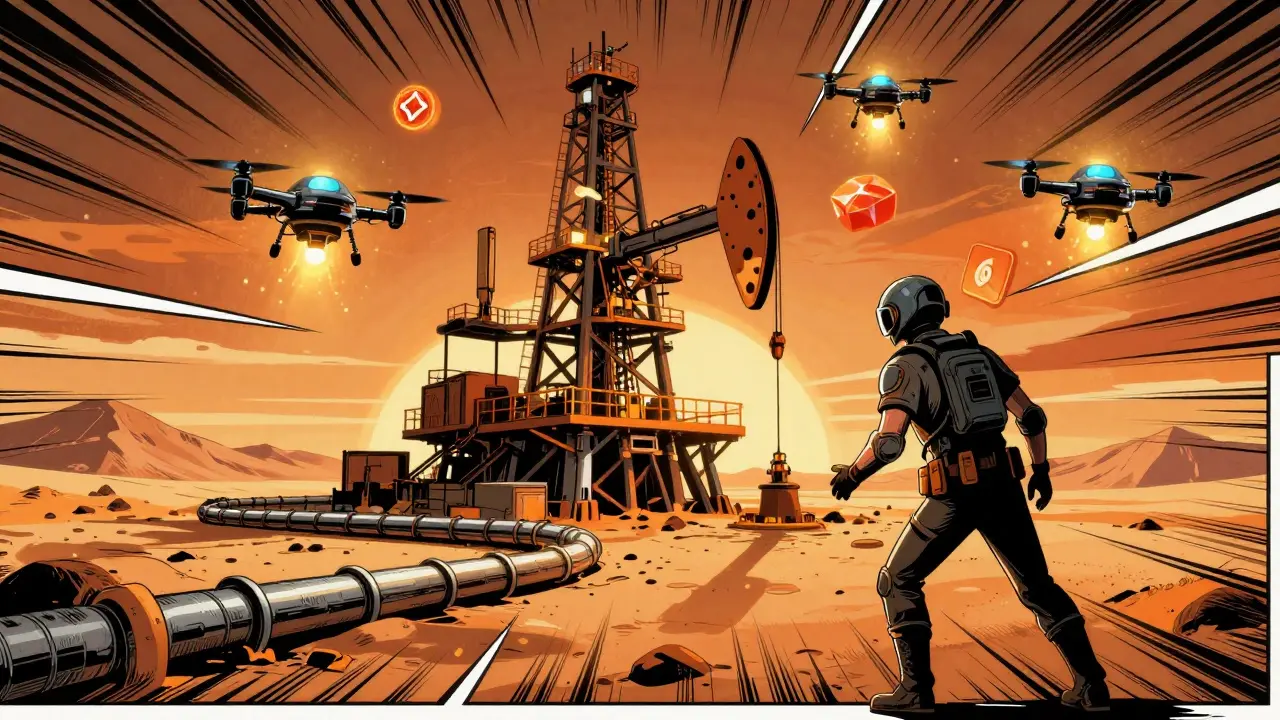
What is Oil Meta Games (OMG) crypto coin? A clear breakdown of its game, value, and market
Oil Meta Games (OMG) is a play-to-earn crypto token tied to a simulation game about the oil industry. Learn how it works, where to buy it, its price trends, and whether it's worth your time.
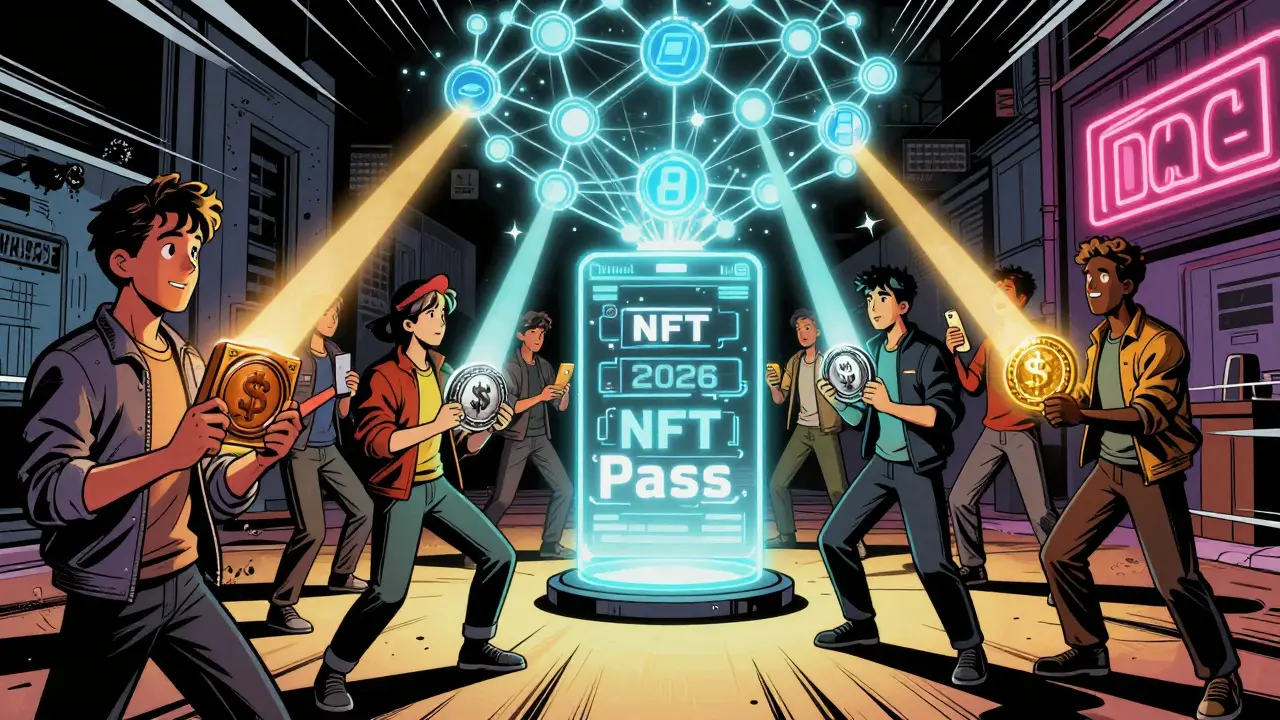
NFTLaunch (NFTL) IDO Airdrop: How to Participate and What to Expect in 2026
NFTLaunch (NFTL) IDO airdrop details aren't public yet, but here's what you need to do in 2026 to qualify - from NFT passes to KYC, staking, and community tasks that actually matter.
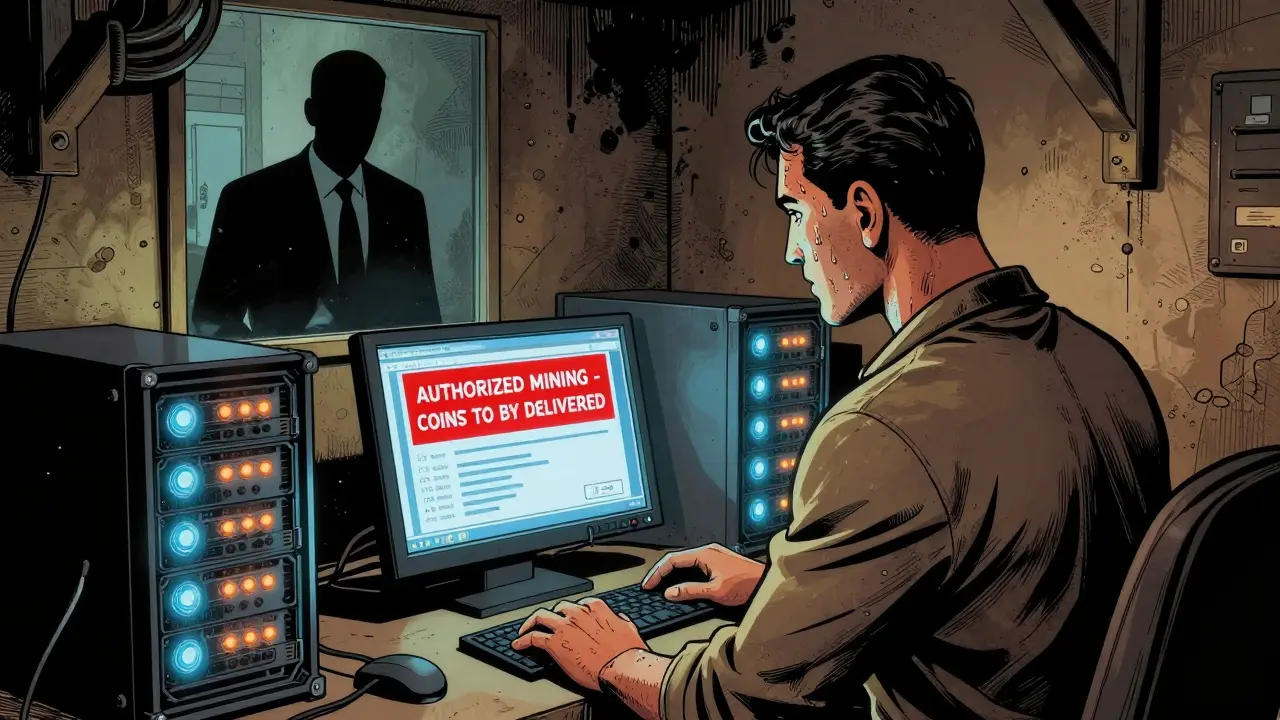
Are Crypto Payments Allowed in Iran? The Real Rules in 2026
Crypto payments aren't allowed in Iran for everyday use, but mining is legal under strict state control. The government monitors every transaction, bans ads, and pushes its own digital currency. Here's how it really works in 2026.

Uniswap v3 on Base: A Practical Review for Crypto Traders
Uniswap v3 on Base offers low fees, fast trades, and deep liquidity for crypto traders. Learn how it compares to centralized exchanges, the real risks, and who should use it.

NovaDAX Crypto Exchange Review: Best for Brazil, Limited Elsewhere
NovaDAX is Brazil's top crypto exchange with low fees and easy access, but lacks futures trading and transparent VIP tiers. Best for locals, not global traders.
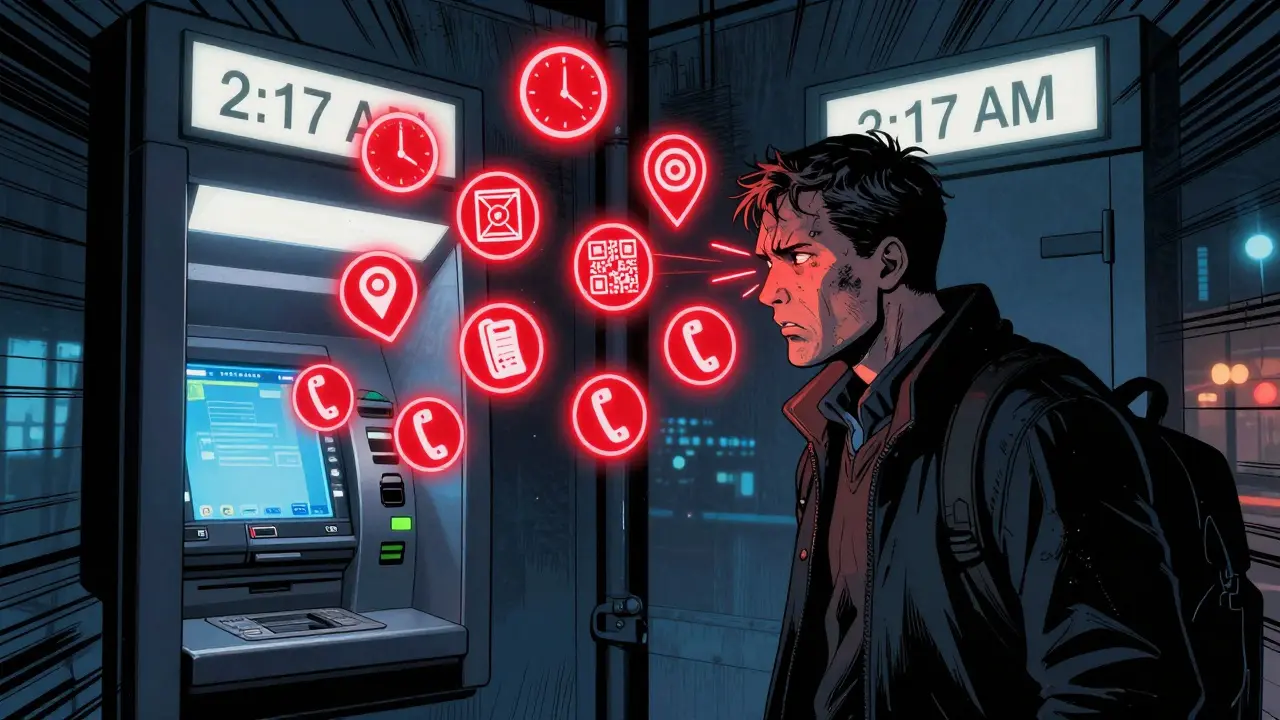
How Russian Banks Block Crypto-to-Fiat Withdrawals in 2026
Russian banks now block or limit crypto-to-fiat withdrawals using strict behavioral triggers. Learn how the 50,000 ruble daily limit works, what triggers it, and how users are adapting - or getting trapped.

NUUM Airdrop Details by Bit.Country and MNet: How It Worked and What Happened
The NUUM airdrop by Bit.Country and MNet offered early supporters a chance to help build metaverse communities - but poor migration guidance and market conditions left most tokens unused. Here’s what actually happened.